Trivium Art History

Submit Artworks Writing About Trivium
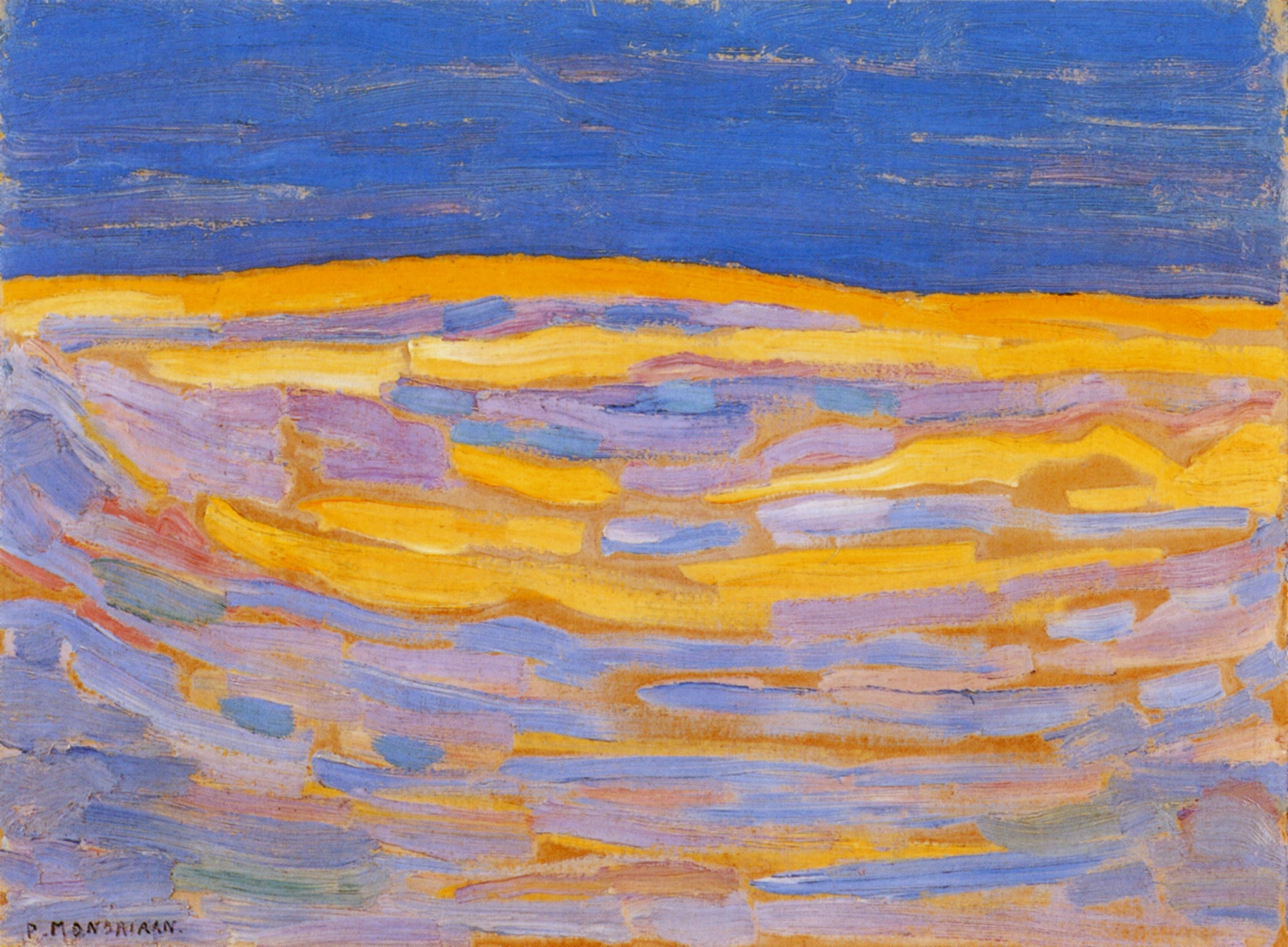
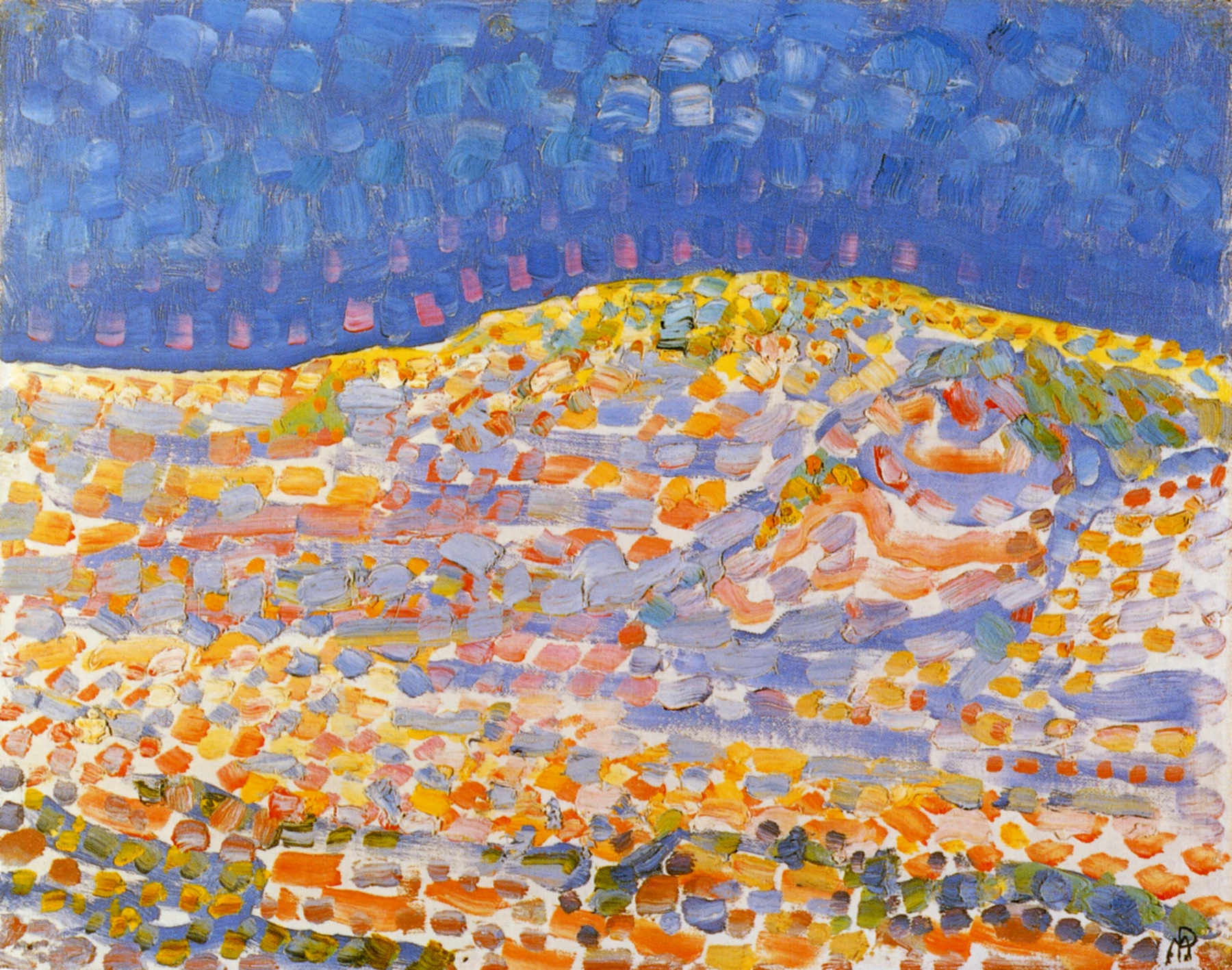
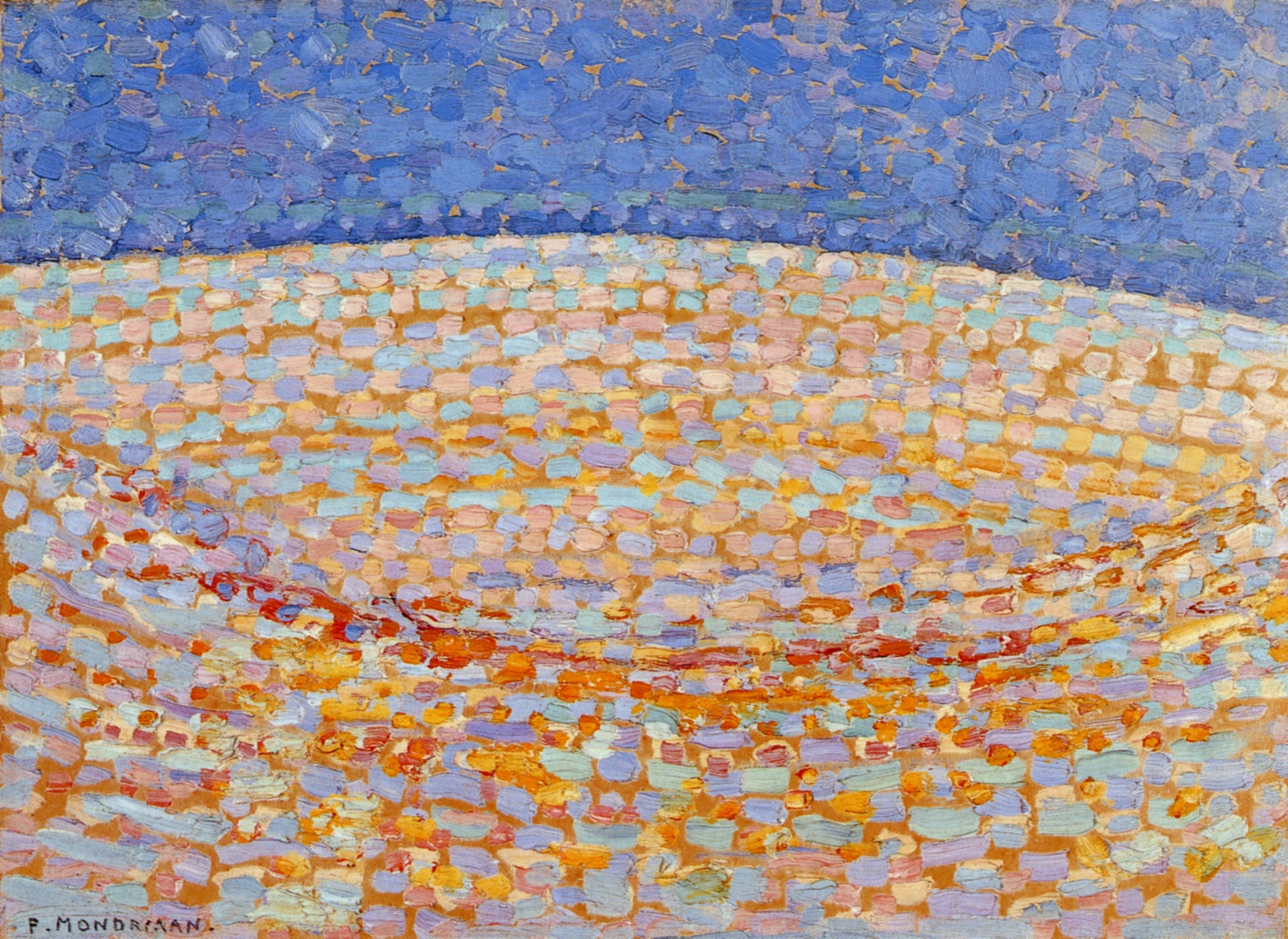
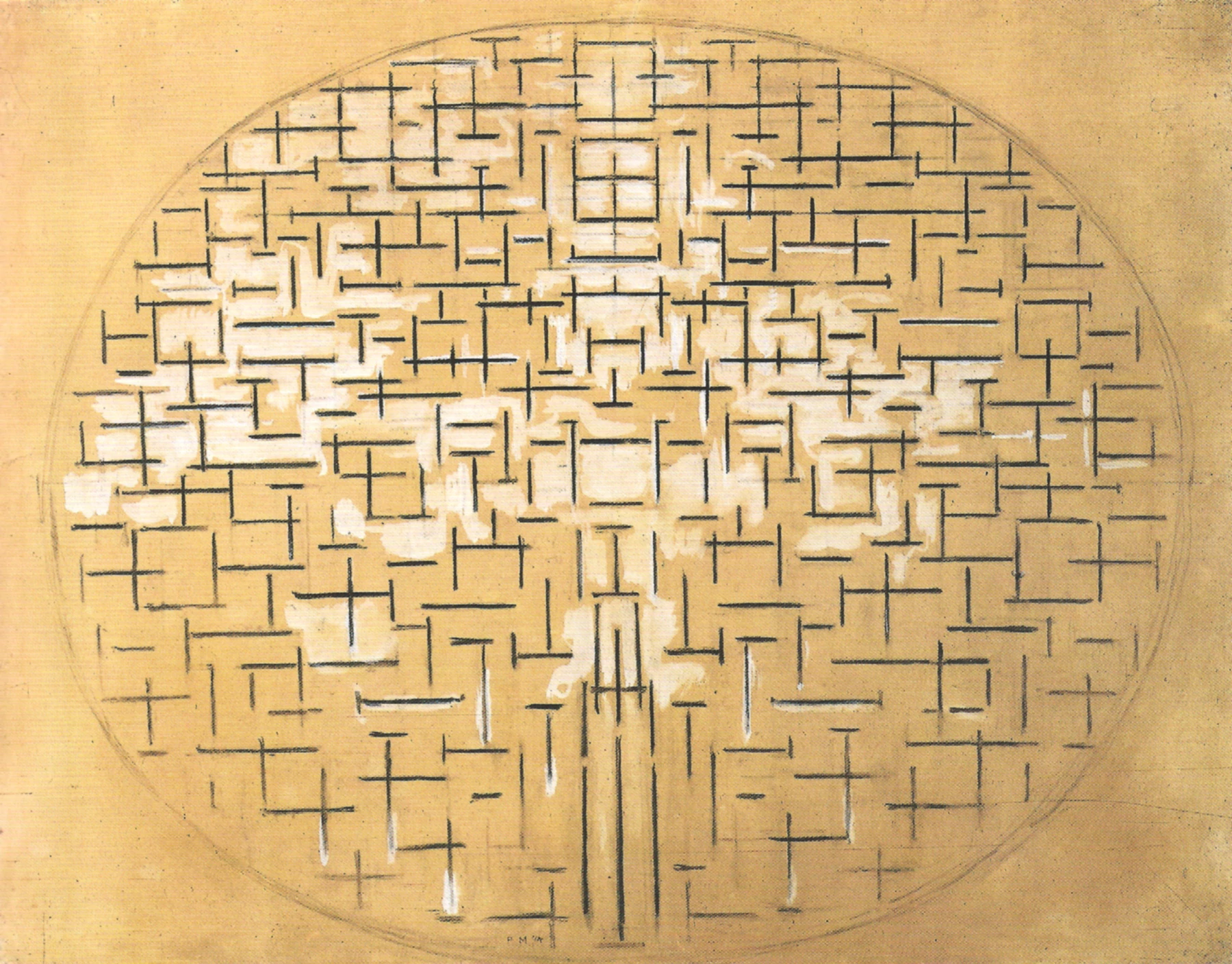
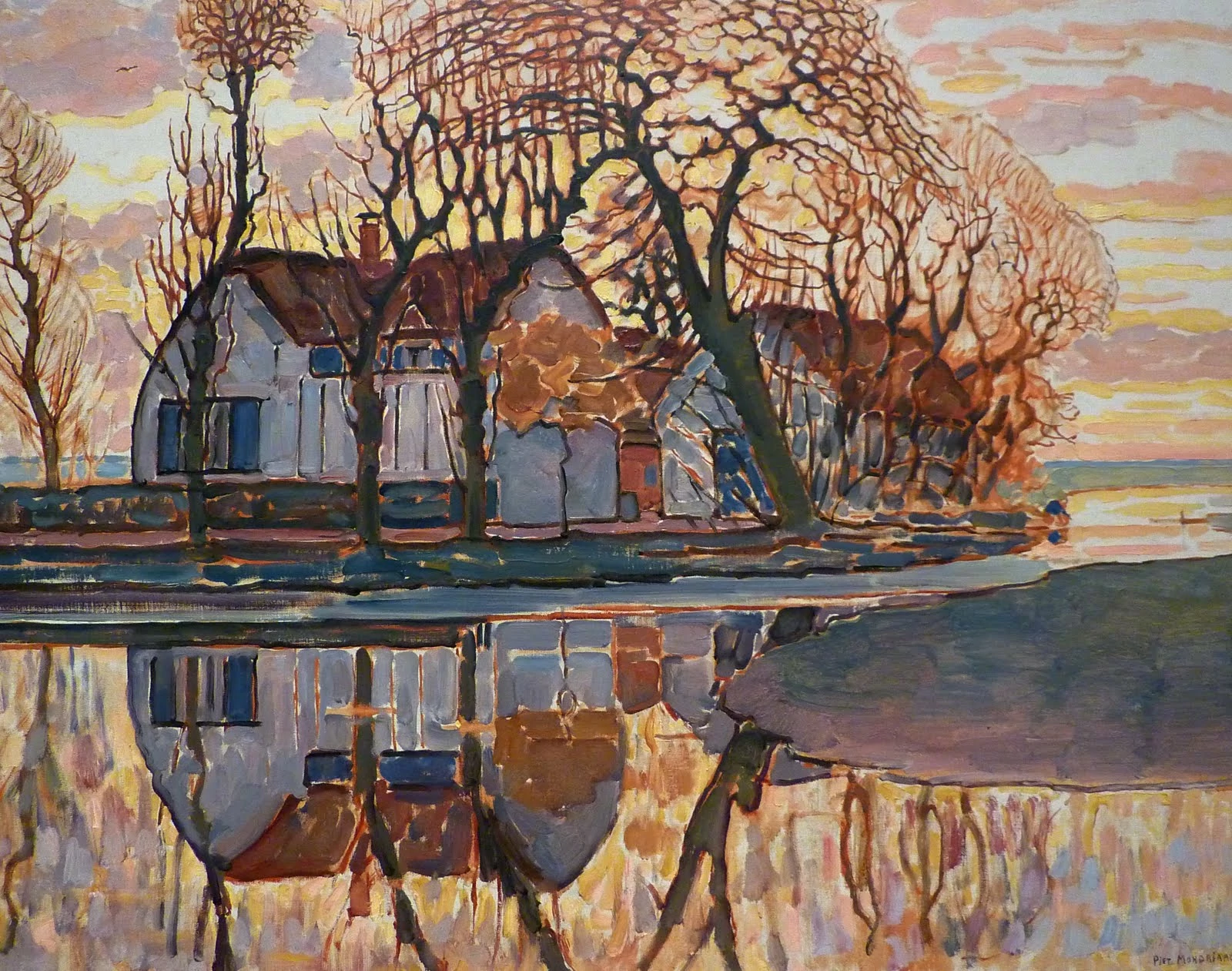
Piet Mondrian - View from the Dunes with Beach and Piers, Domburg

View from the Dunes with Beach and Piers

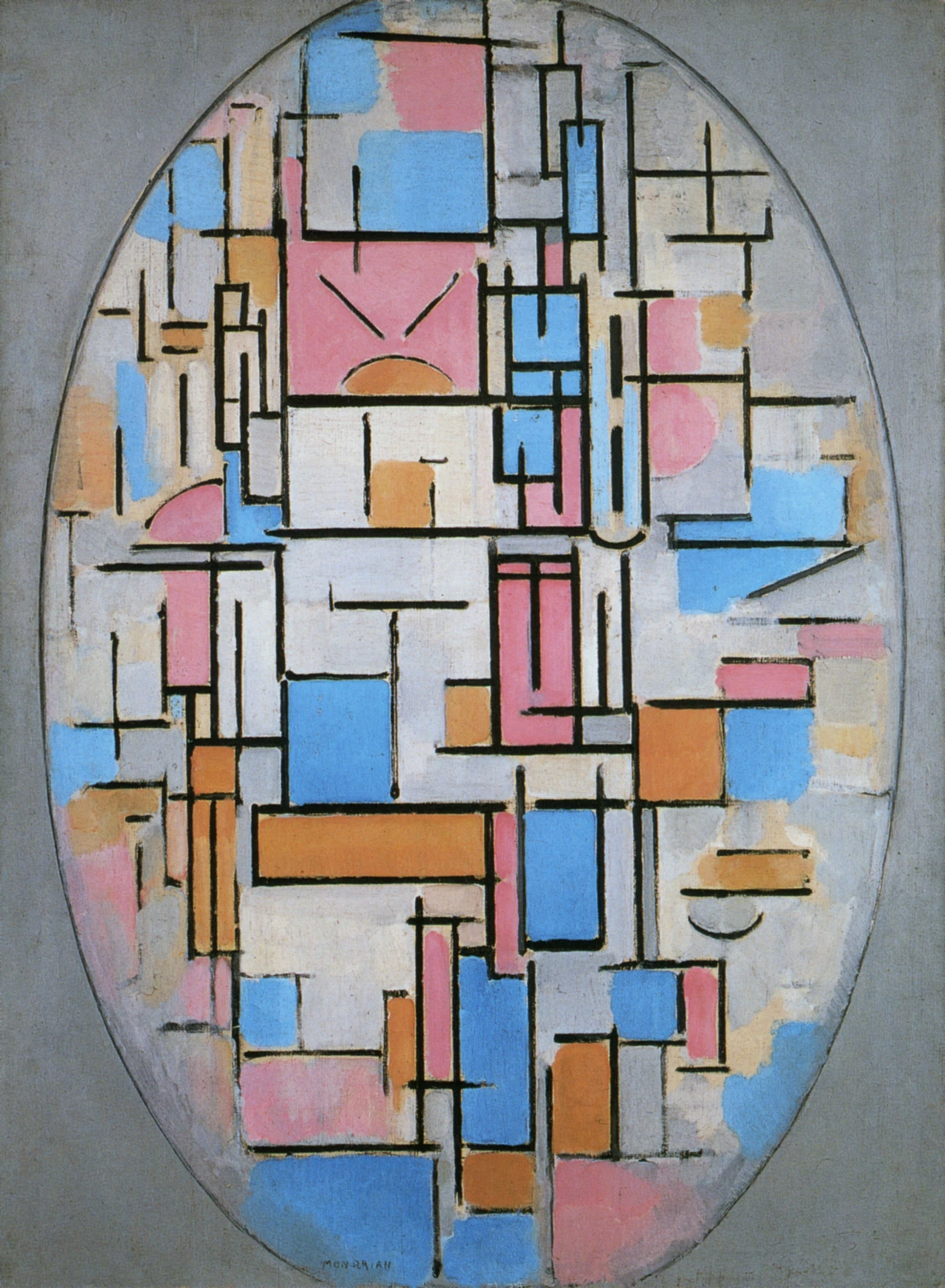
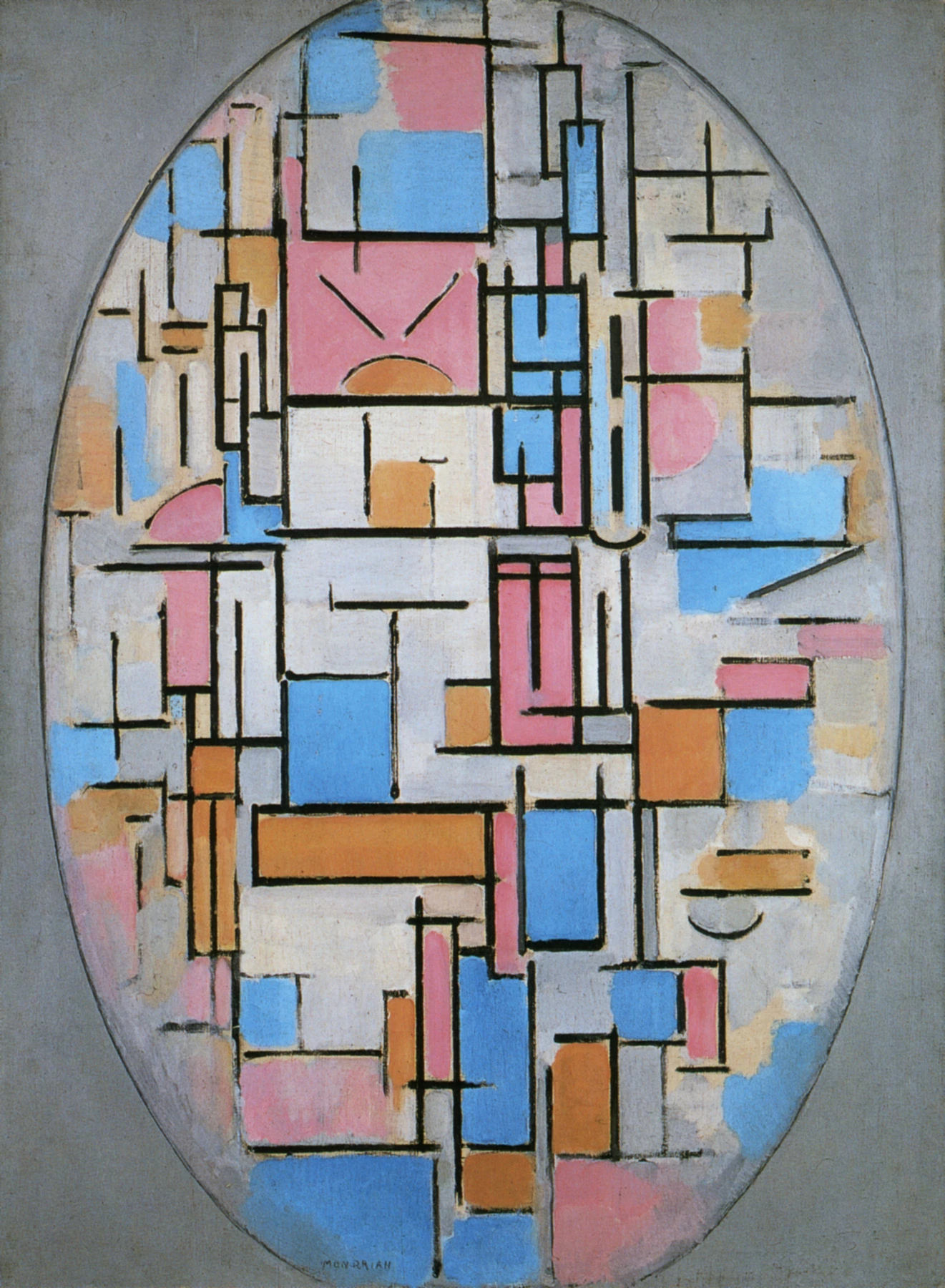
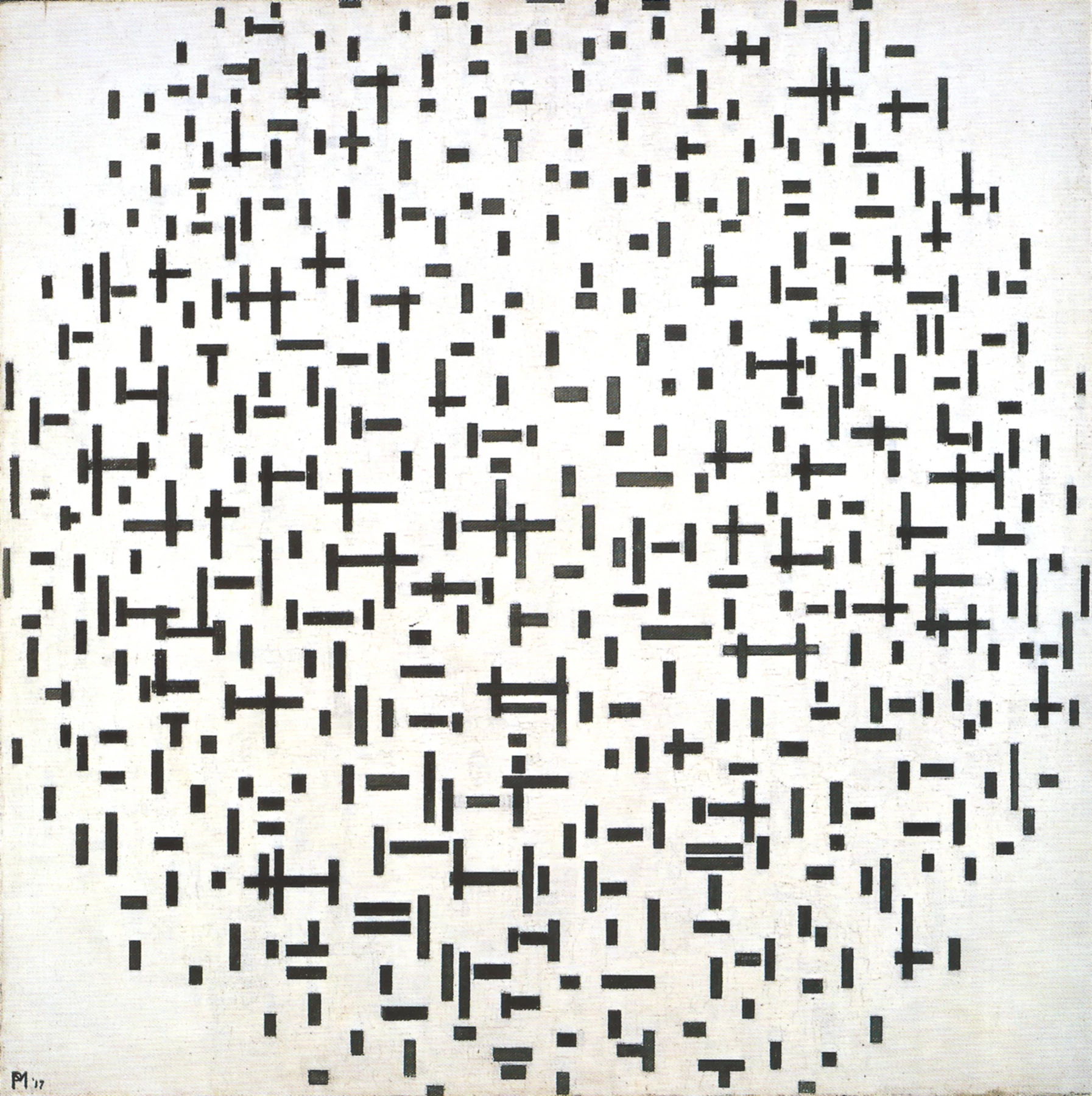
Piet Mondrian - Composition in Oval with Color Planes 1

Composition in Oval with Color Planes 1

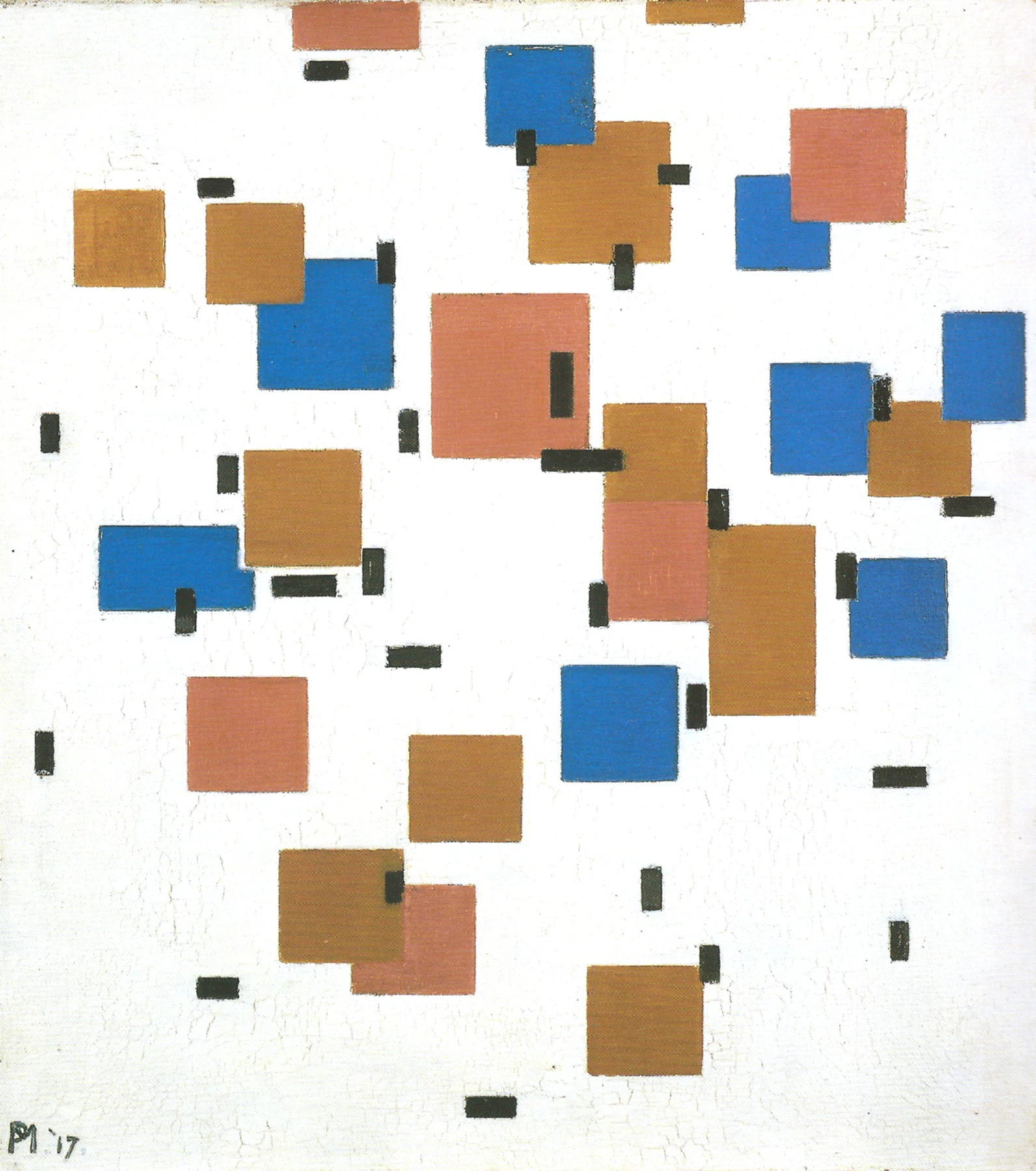
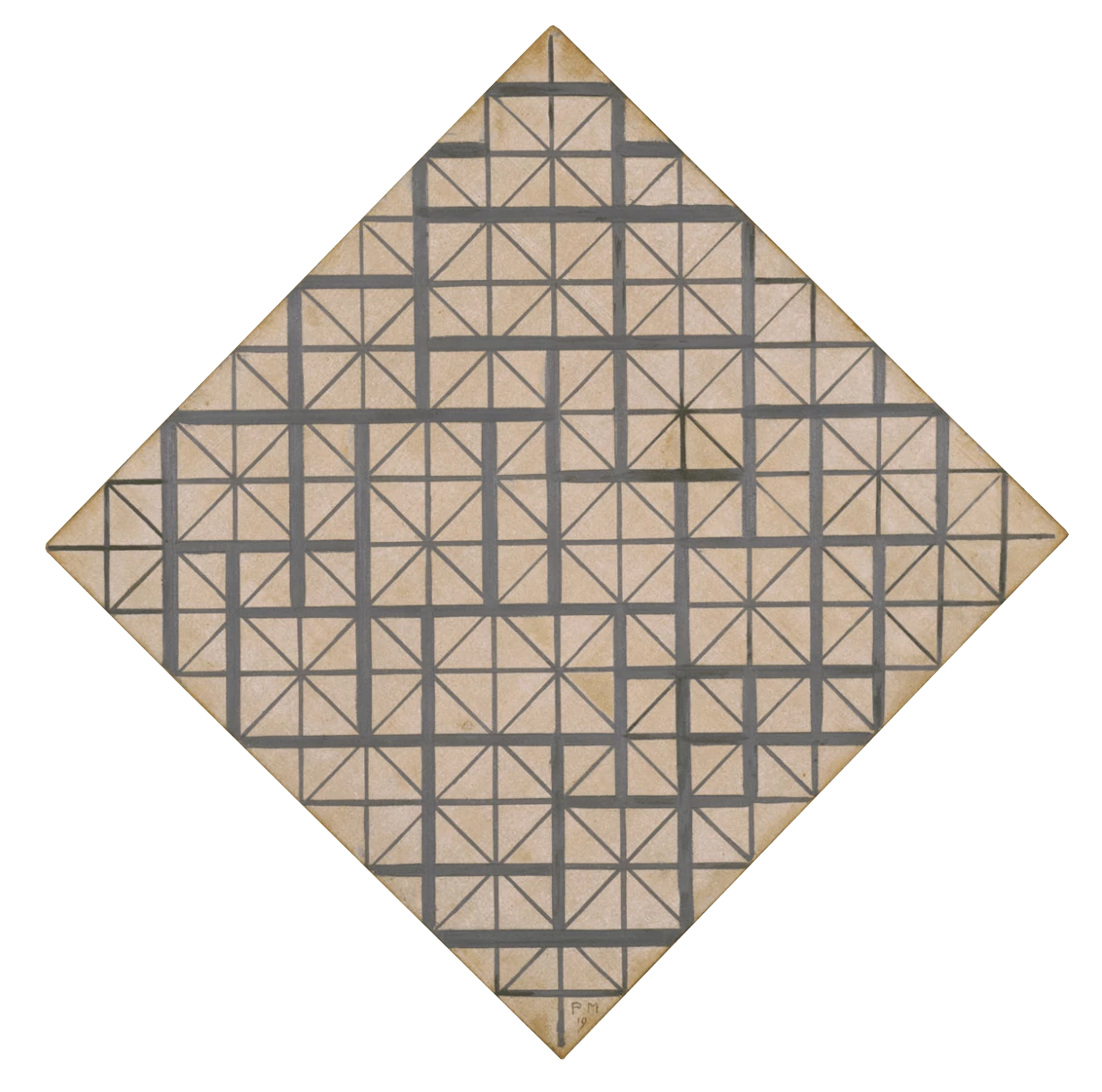
Mondrian, Piet Composition with Color Planes and Gray Lines 1 1918 Oil on canvas 49 x 60.5 cm (19 1:4 x 23 7:8 in) Private collection

Composition with Color Planes and Gray Lines

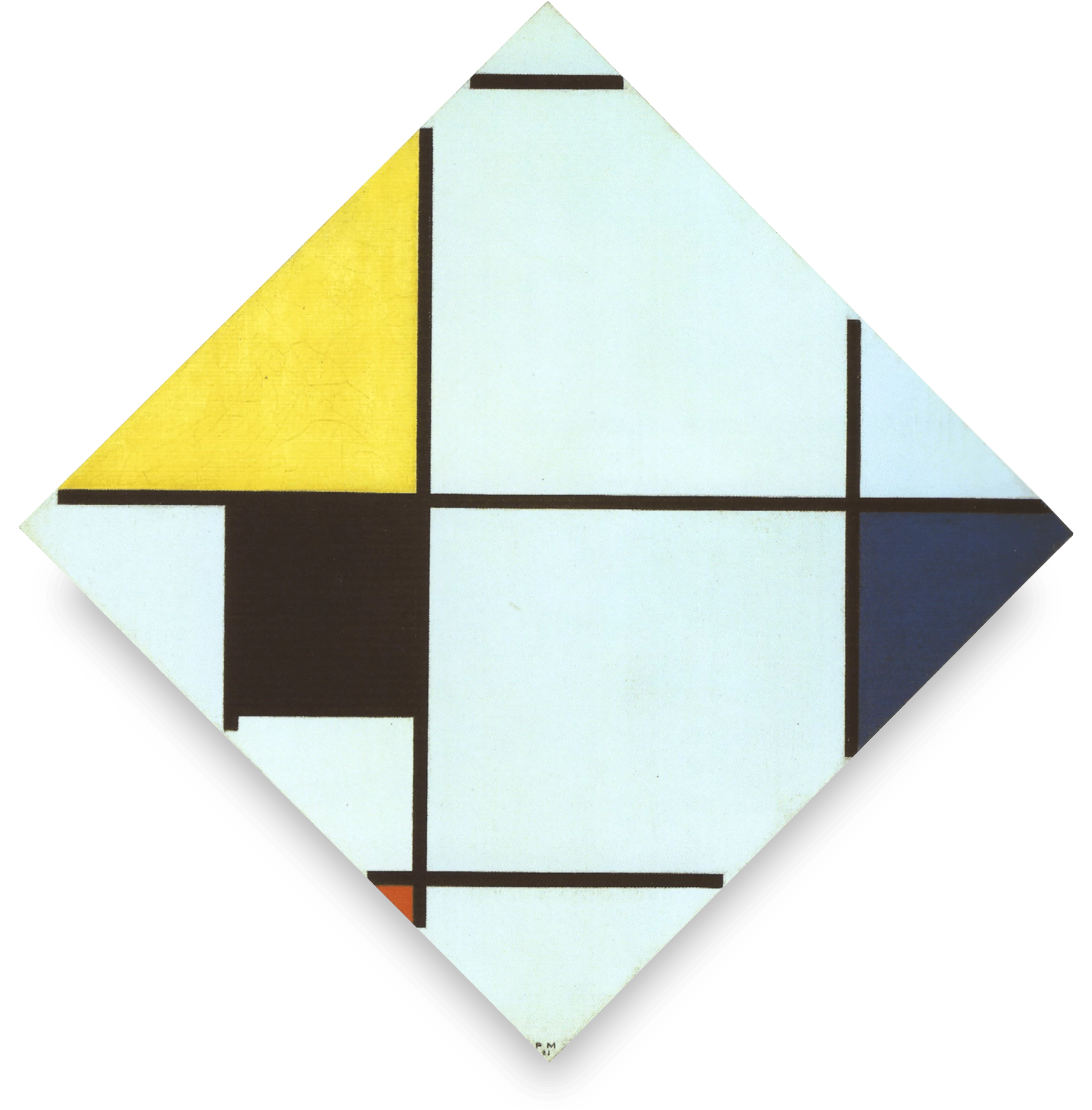
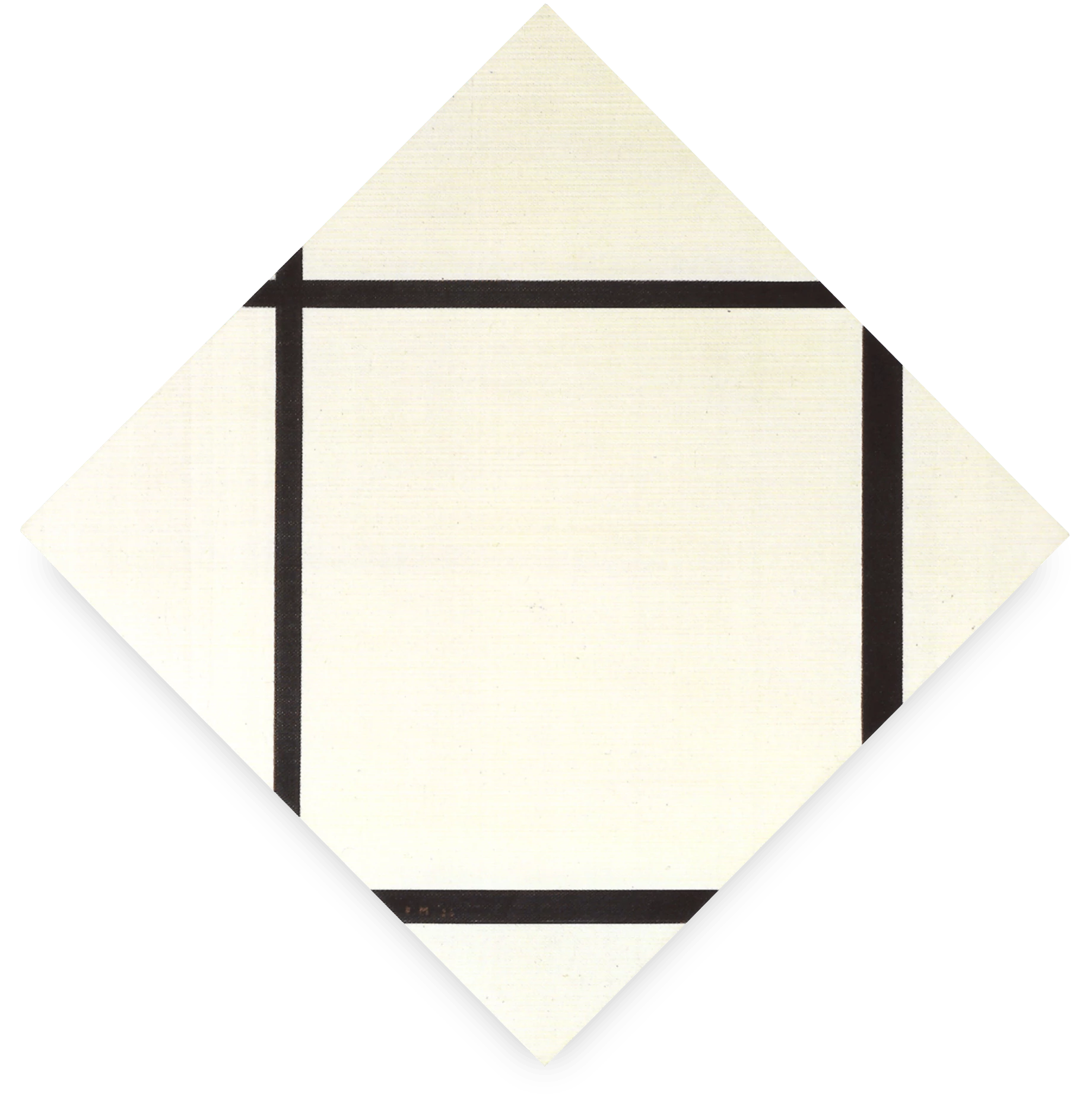
Mondrian, Piet Lozenge Composition with Yellow, Black, Blue, Red, and Gray 1921 Oil on canvas 60.1 x 60.1 cm (23 5:8 x 23 5:8 in) Vertical axis 84.5 cm (33 1:4 in) The Art Institute of Chicago

Lozenge Composition with Yellow, Black, Blue, Red, and Gray

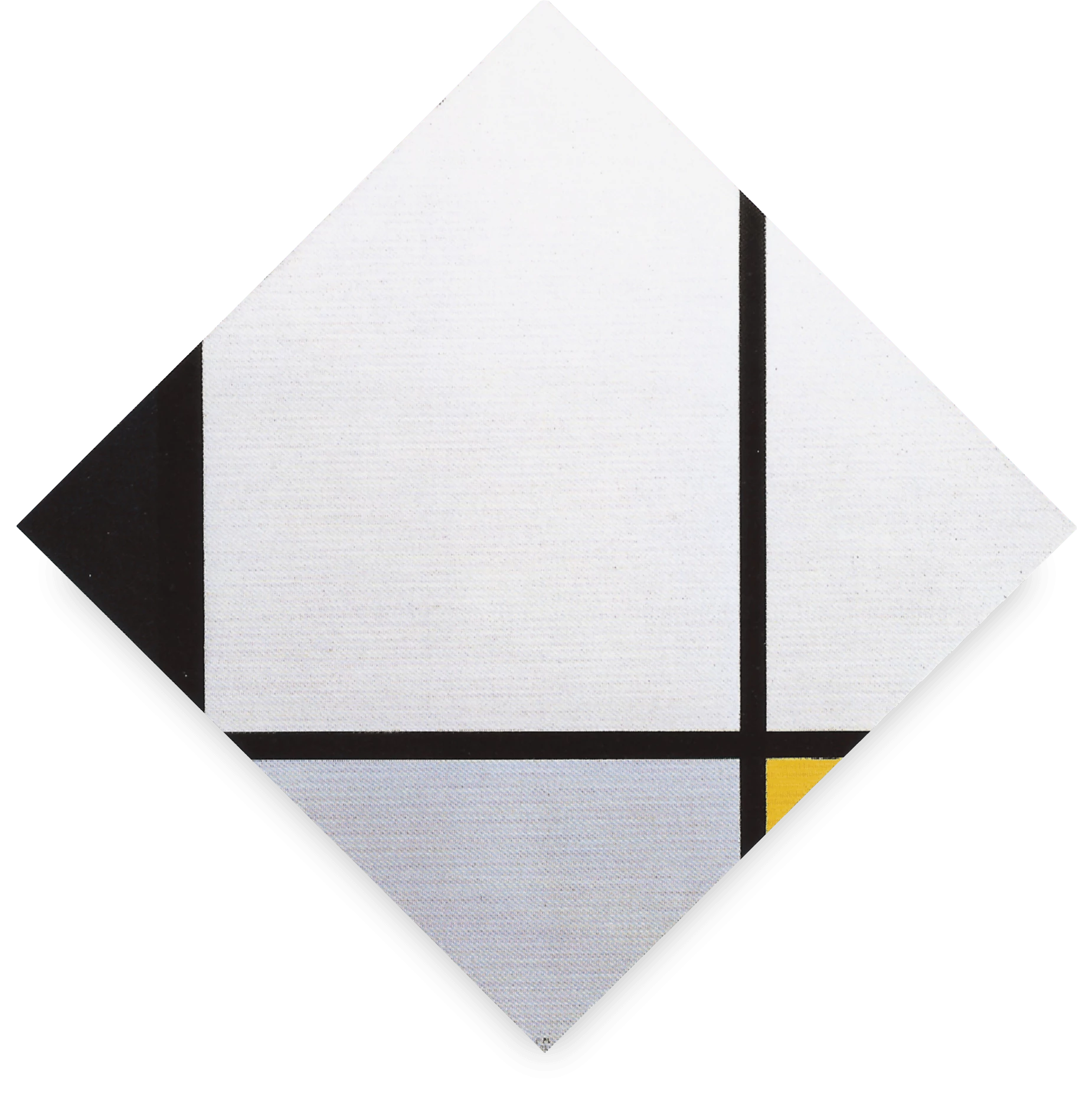
Mondrian, Piet Lozenge Composition with Red, Black, Blue, and Yellow 1925 Oil on canvas 77 x 77 cm (30 3:8 x 30 3:8 in.) vertical axis 108 cm (42 1:2 in.) Private collection

Lozenge Composition with Red, Black, Blue, and Yellow

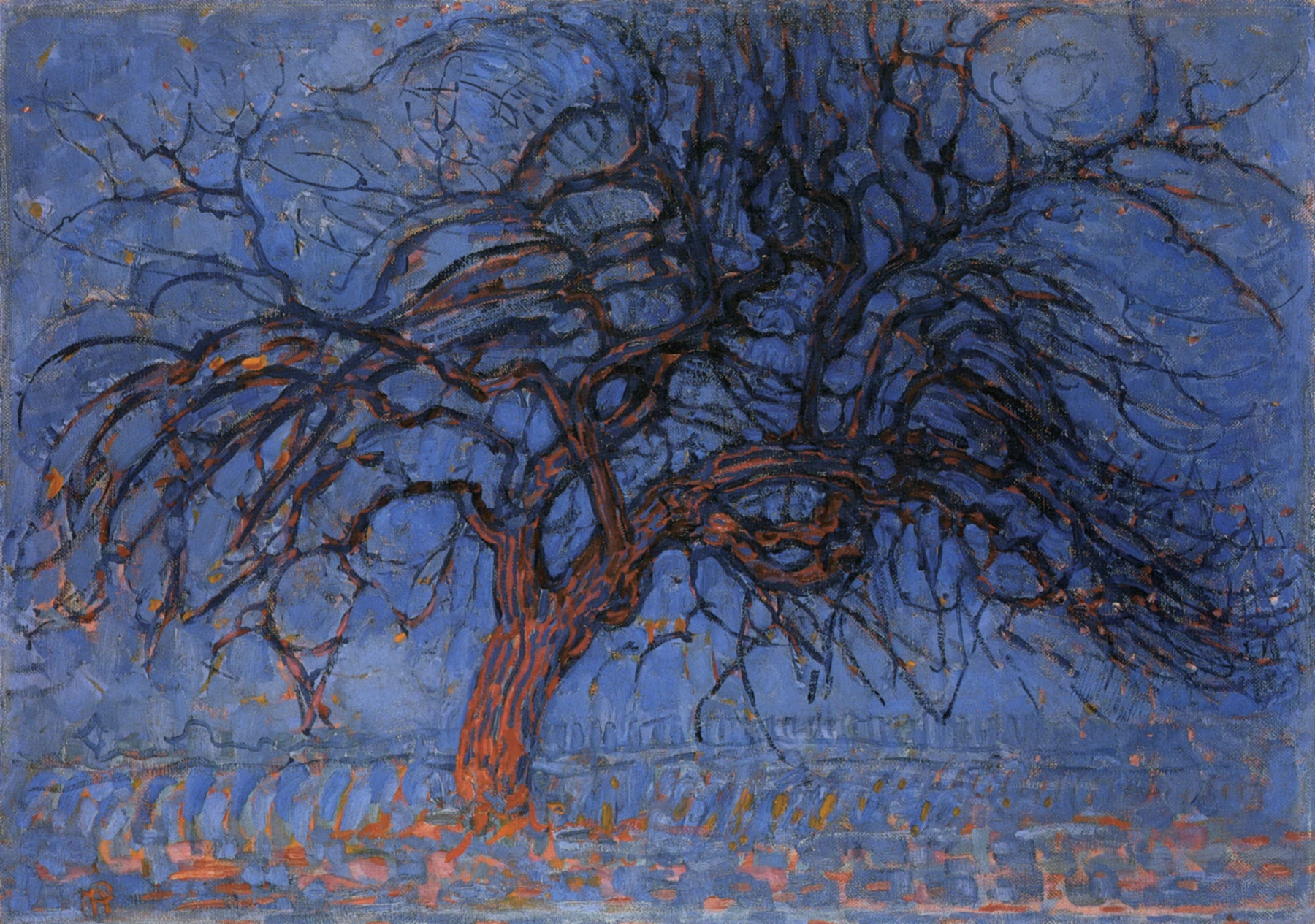
8546-imps-evening-mondrian-framed

Composition in Black and White, with Double Lines

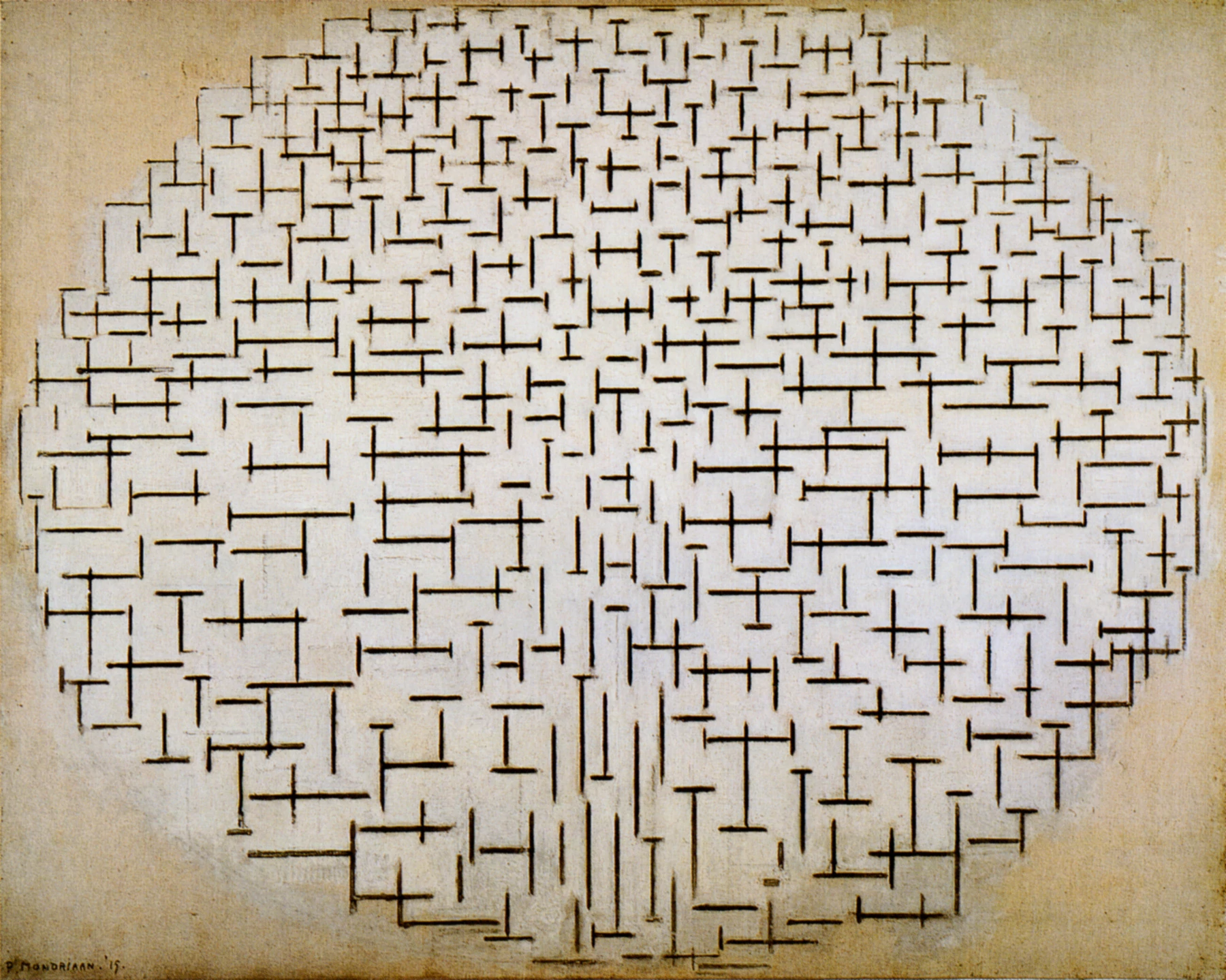
Composition 10

Composition 10 (Pier and Ocean; plus-and-minus)

  
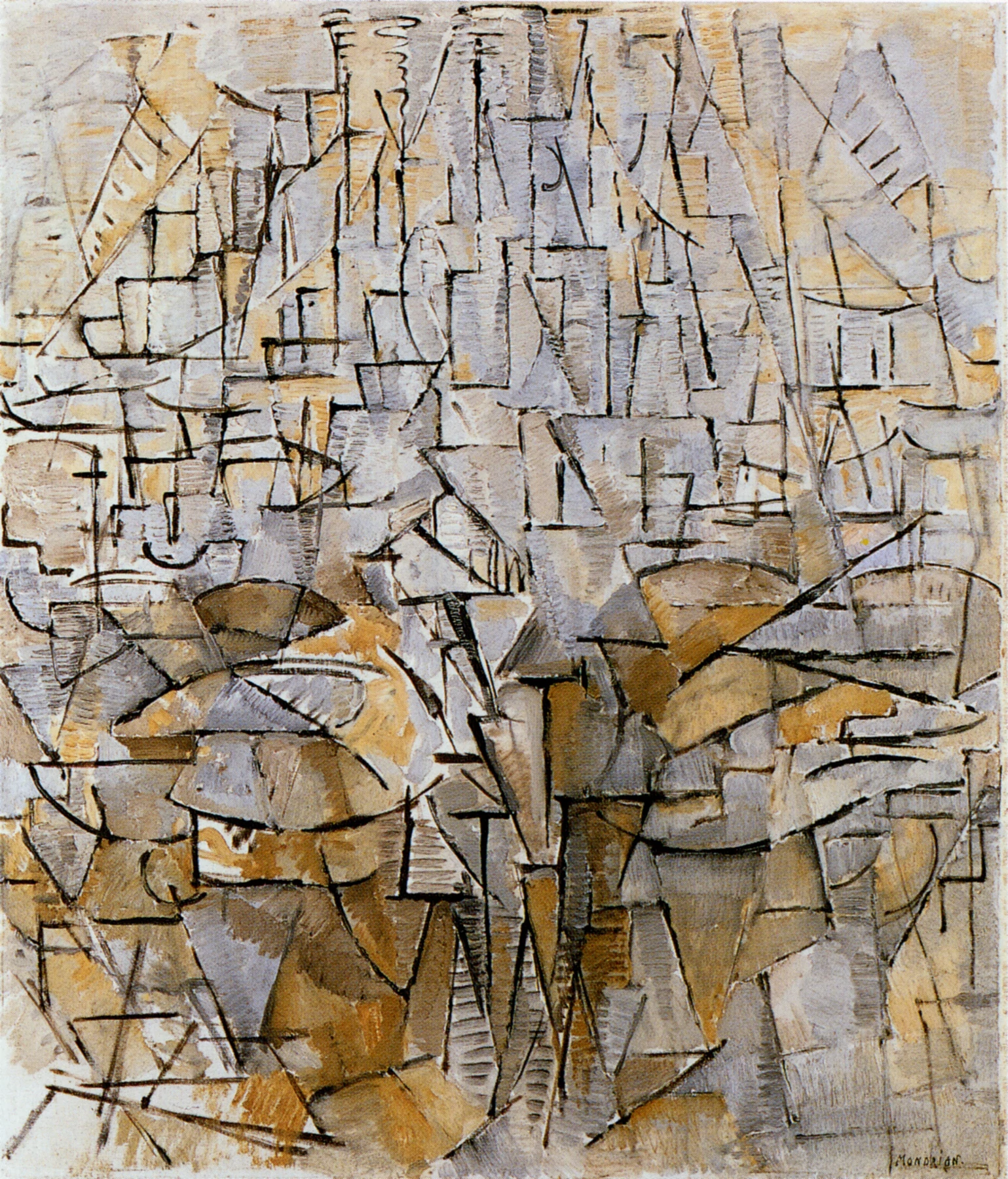
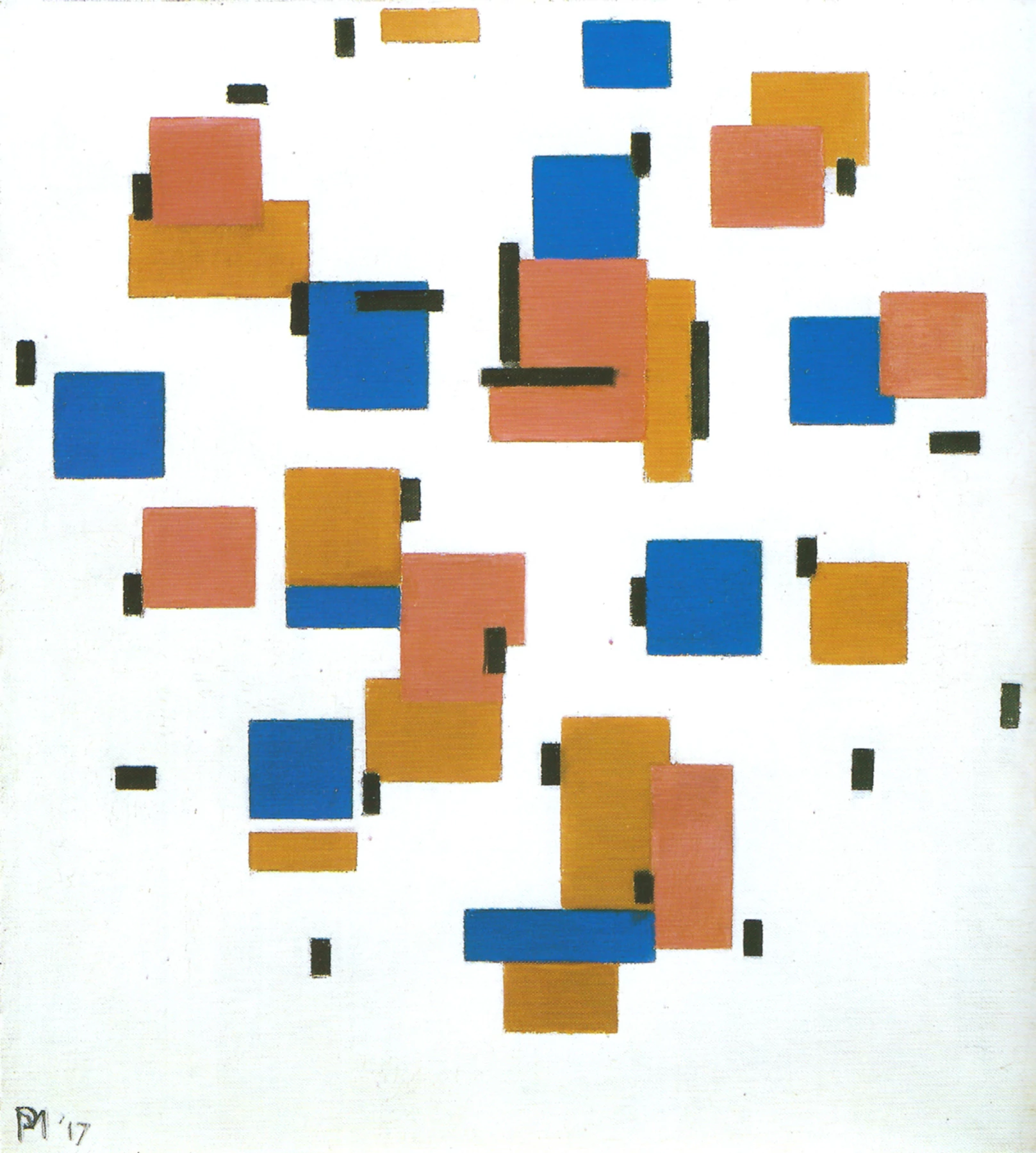
Mondrian, Piet Composition No. II; Composition in Line and Color 1913 Oil on canvas 88 x 115 cm (34 5:8 x 45 1:4 in)

Composition No. II; Composition in Line and Color

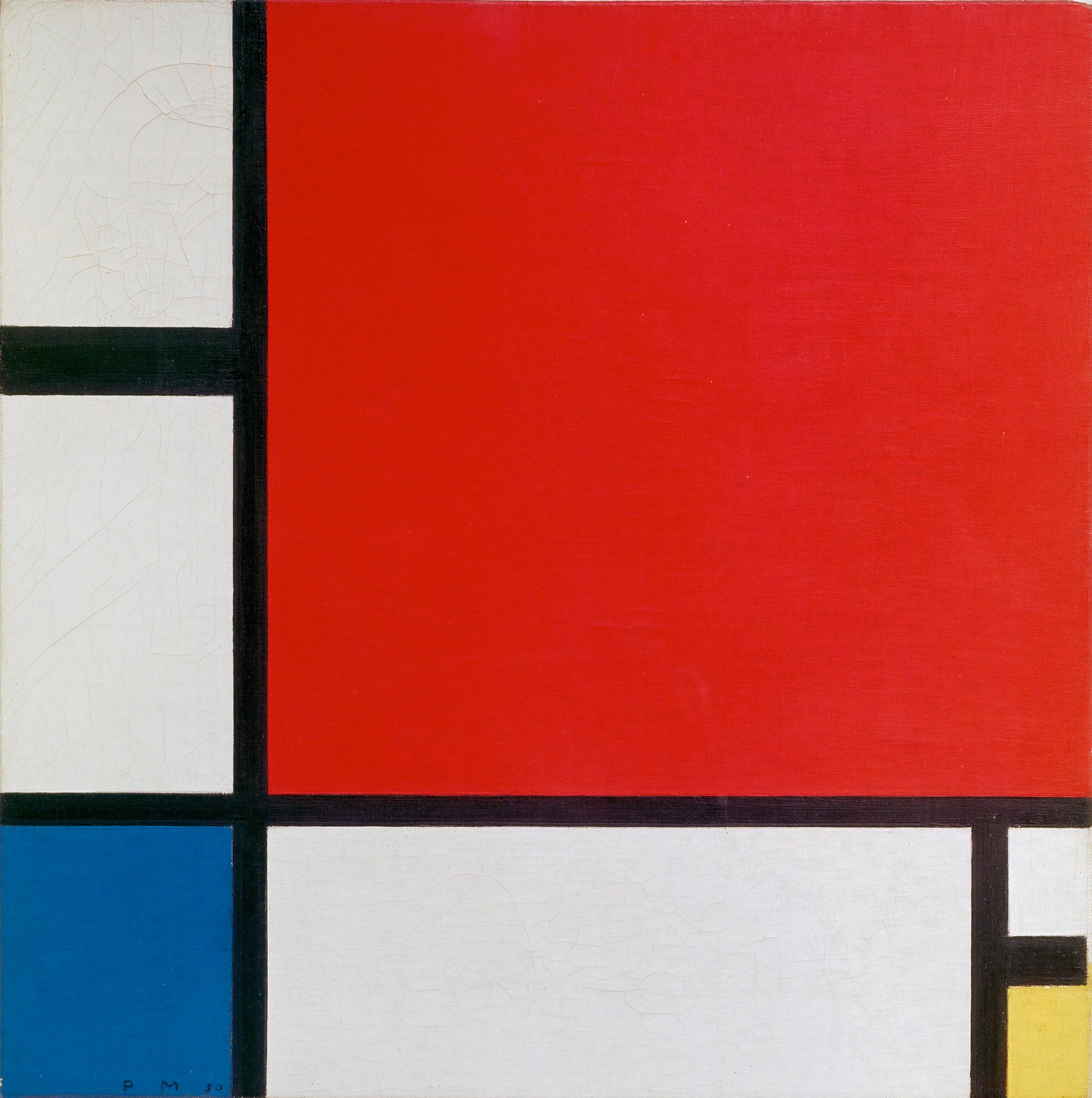
Mondrian, Piet Composition A- Composition with Black, Red, Gray, Yellow, and Blue 1920 Oil on canvas 91.5 x 92 cm (36 x 36 1:4 in) Galleria Nazionale d'Arte Moderna e Contemporanea, Rome

Composition A- Composition with Black, Red, Gray, Yellow, and Blue

Piet Mondrian - Composition in a Square with Gray Lines

Composition in a Square with Gray Lines

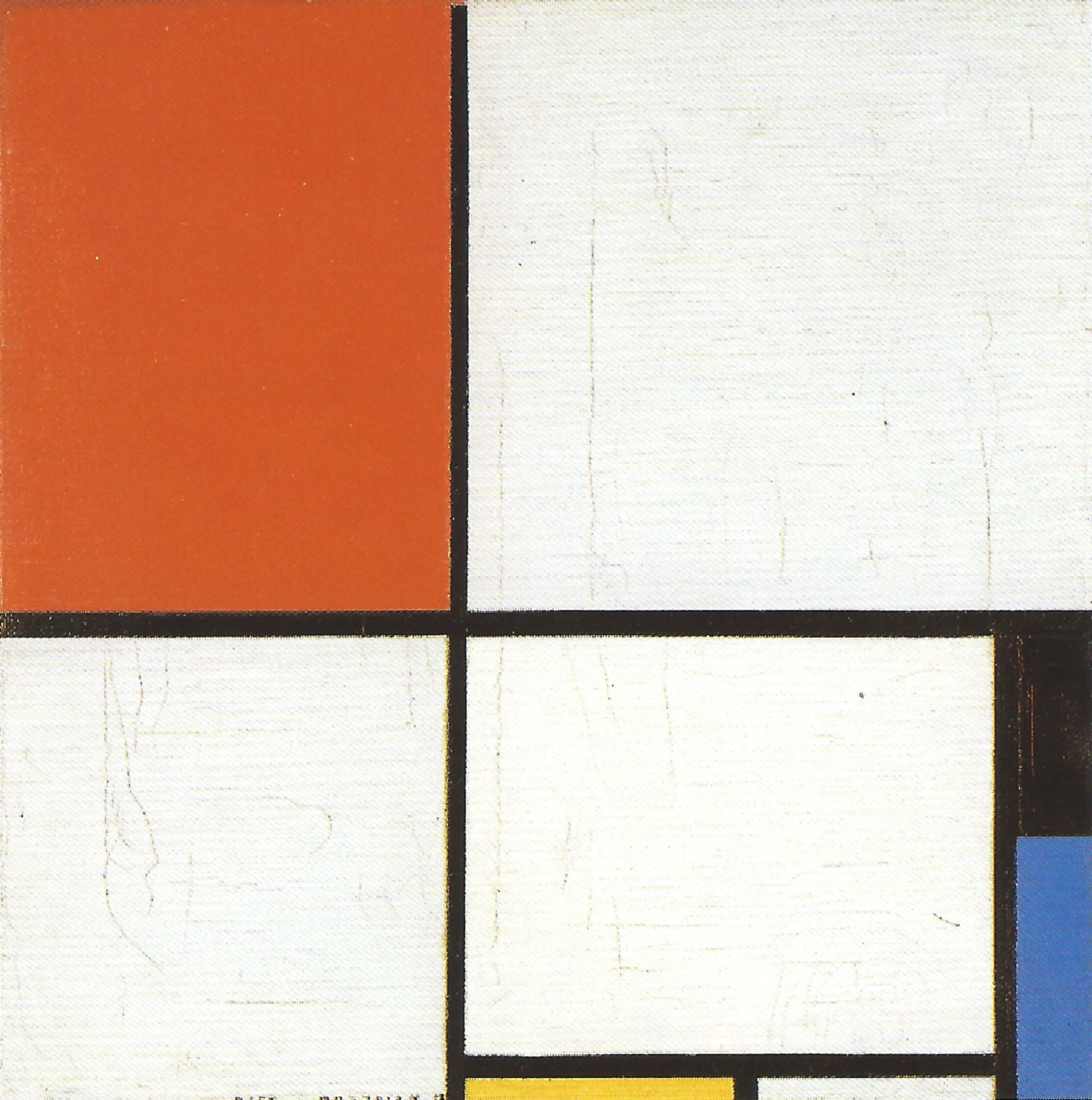
Mondrian, Piet Composition with Blue, Yellow, Black, and Red 1922 Oil on canvas 53 x 54 cm (20 7:8 x 21 1:4 in) Staatsgalerie, Stuttgart

Composition with Blue, Yellow, Black, and Red

 
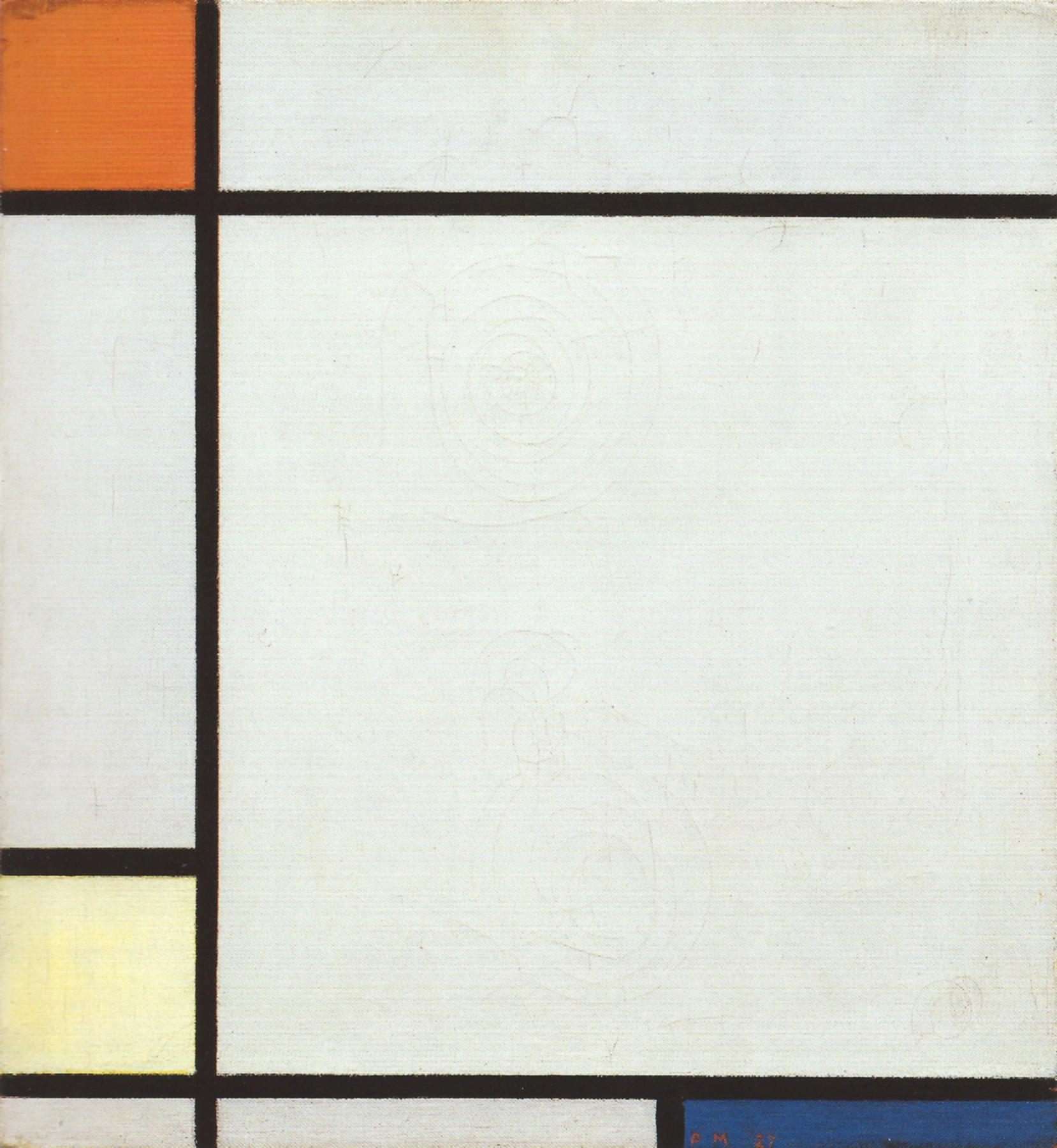
Mondrian, Piet Composition with Yellow, Blue and Red 1937-42 Oil on canvas 72.5 x 69 cm (28 1:2 x 27 1:8 in.) Tate Gallery, London

Composition with Yellow, Blue and Red


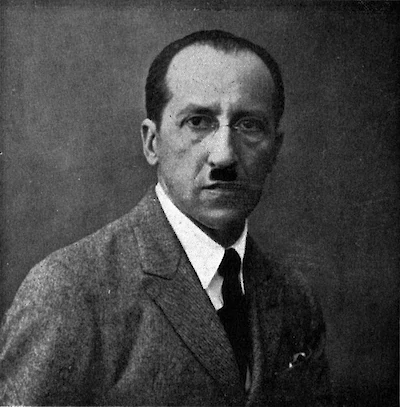
Piet Mondrian

“All painting – the painting of the past as well as of the present – shows us that its essential plastic means we are only line and color.”

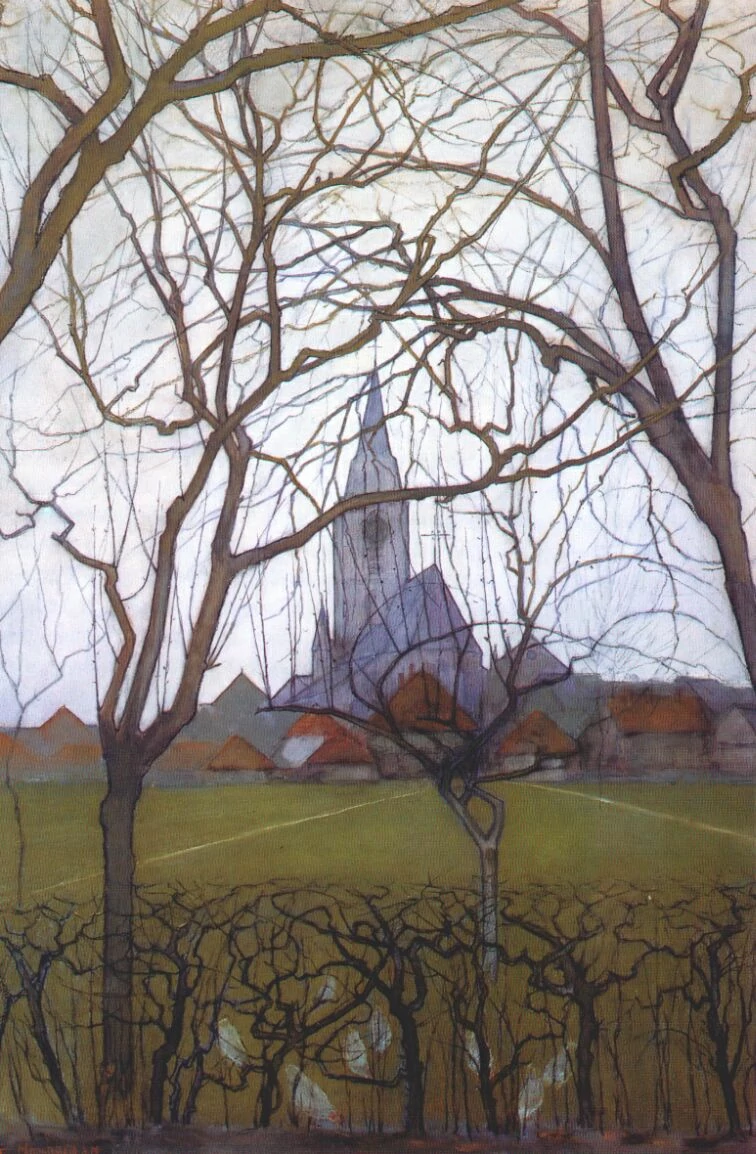
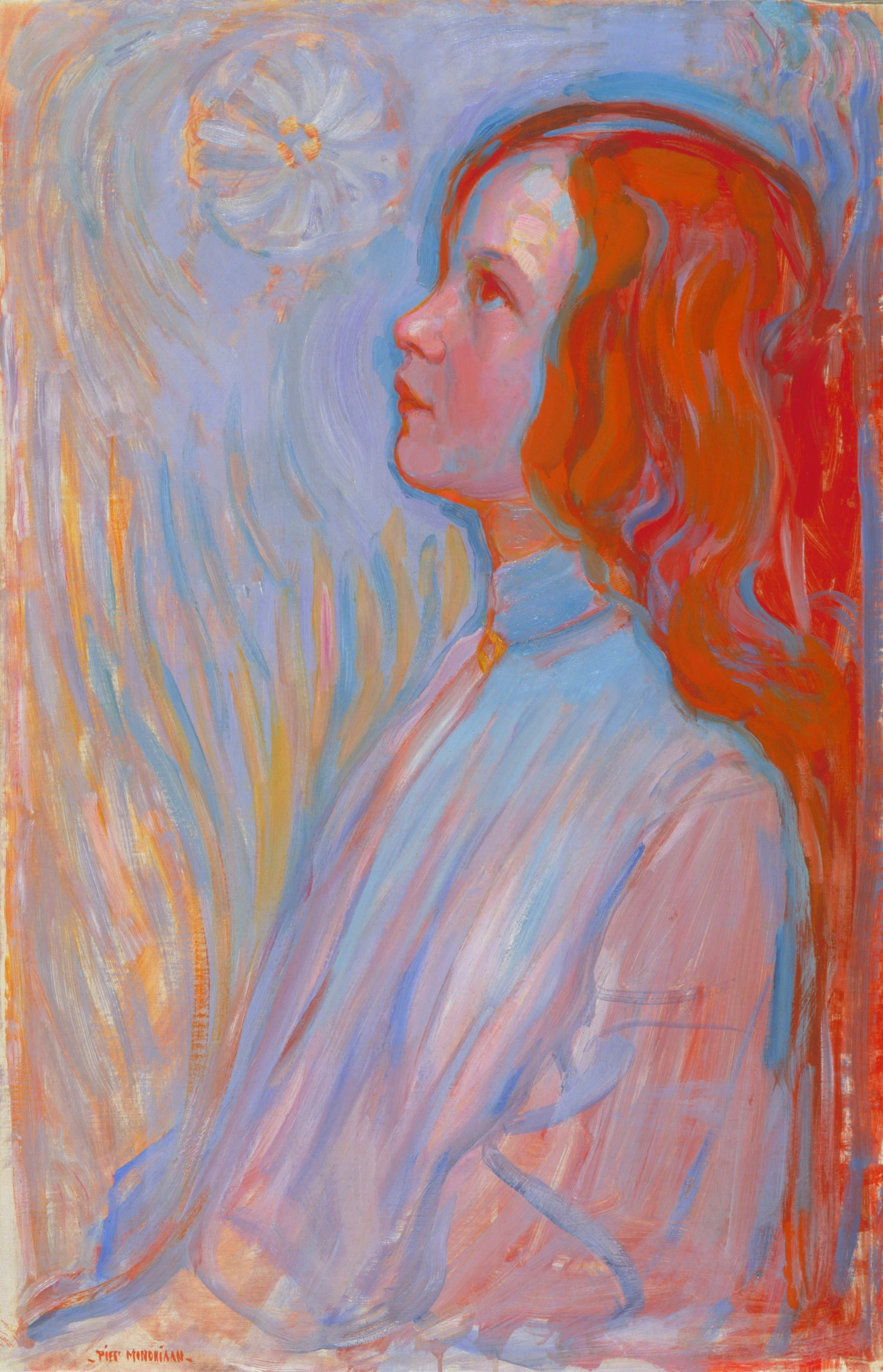
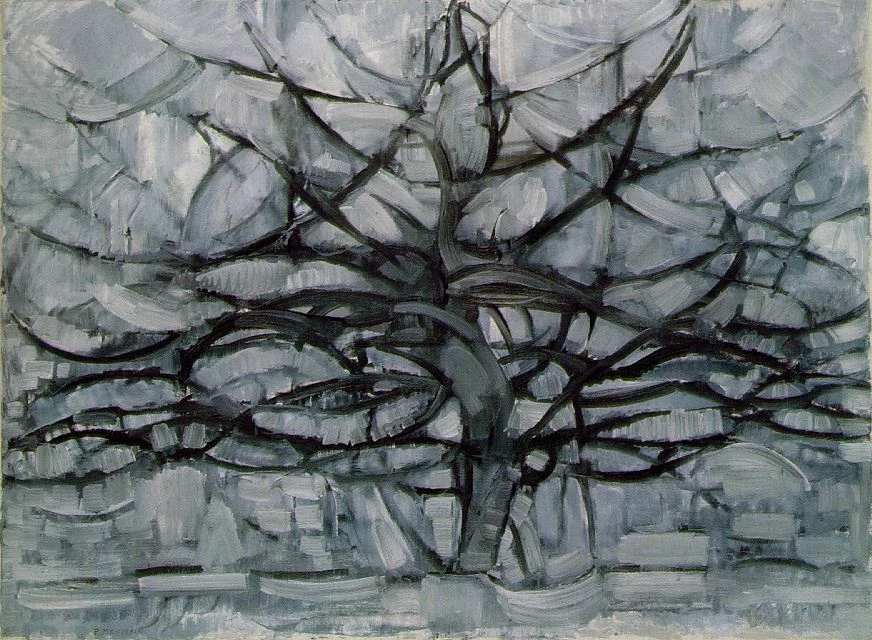
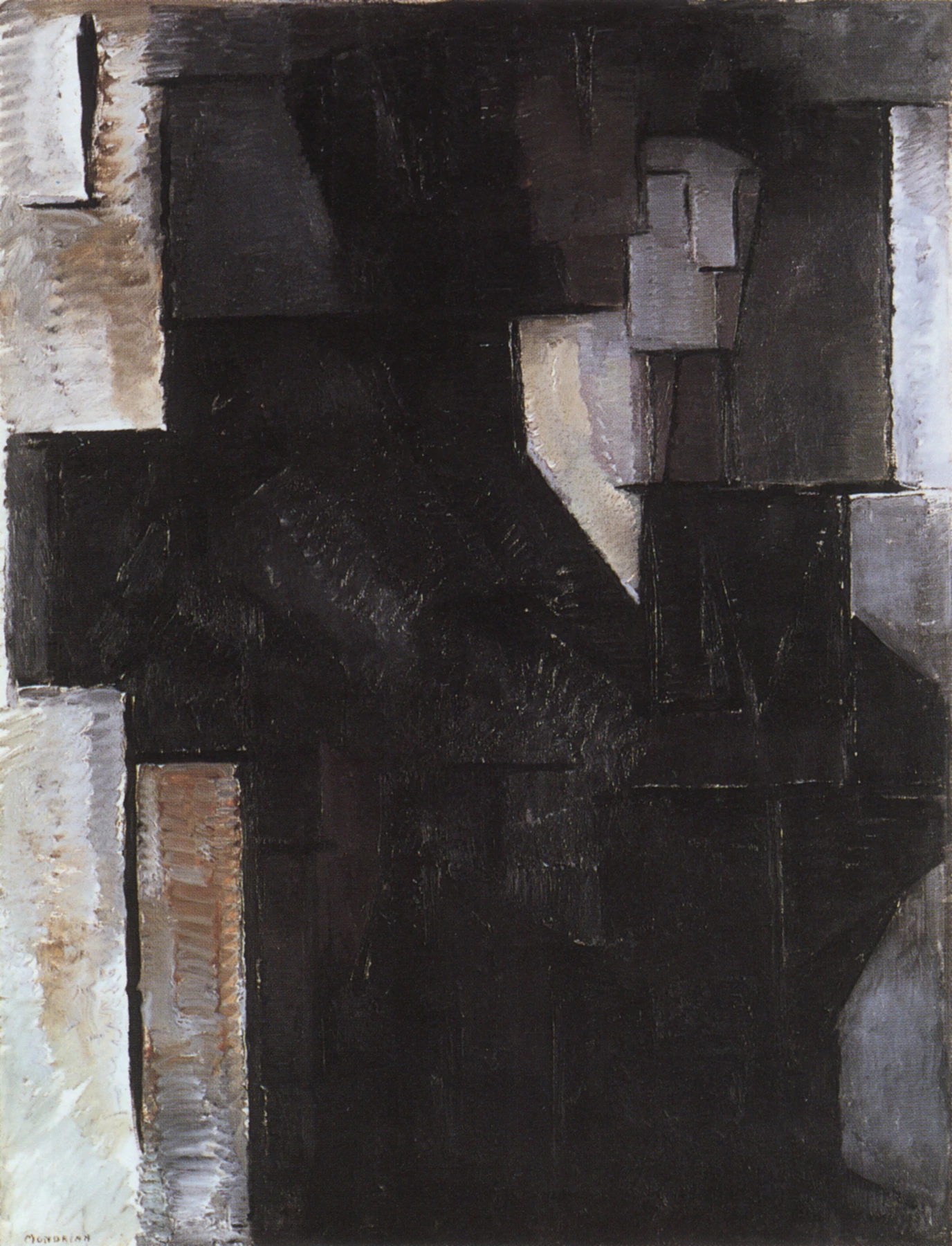
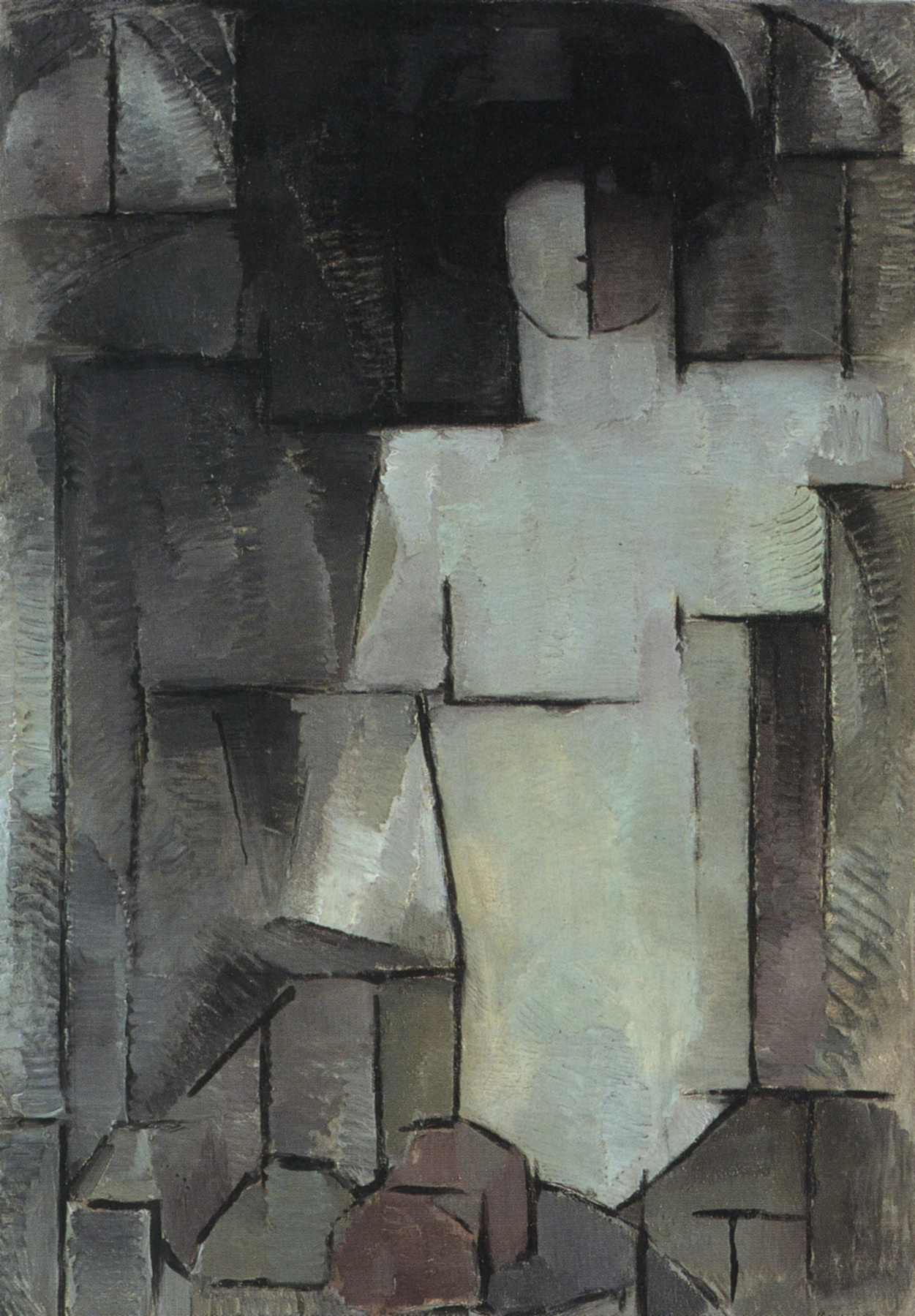
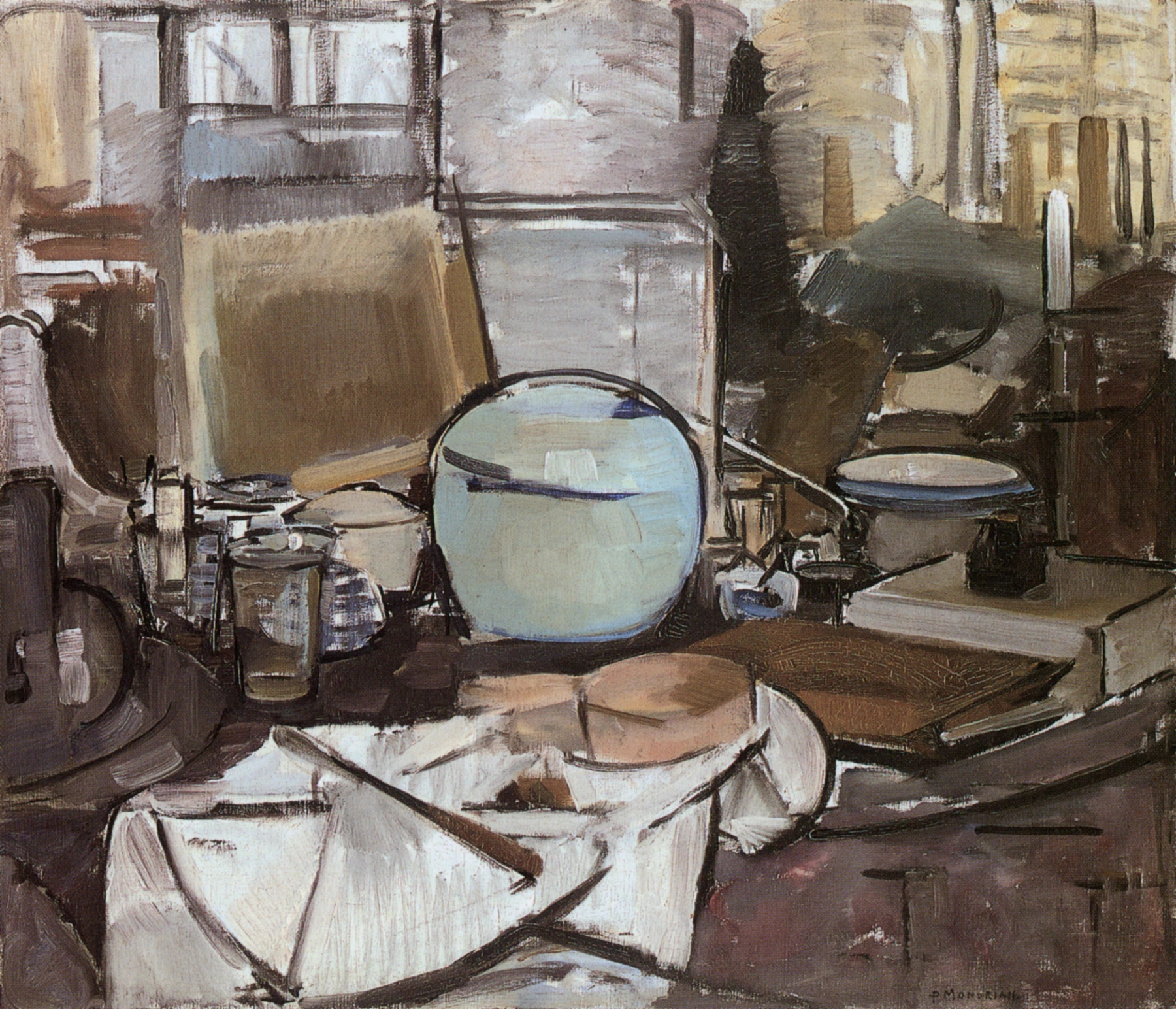
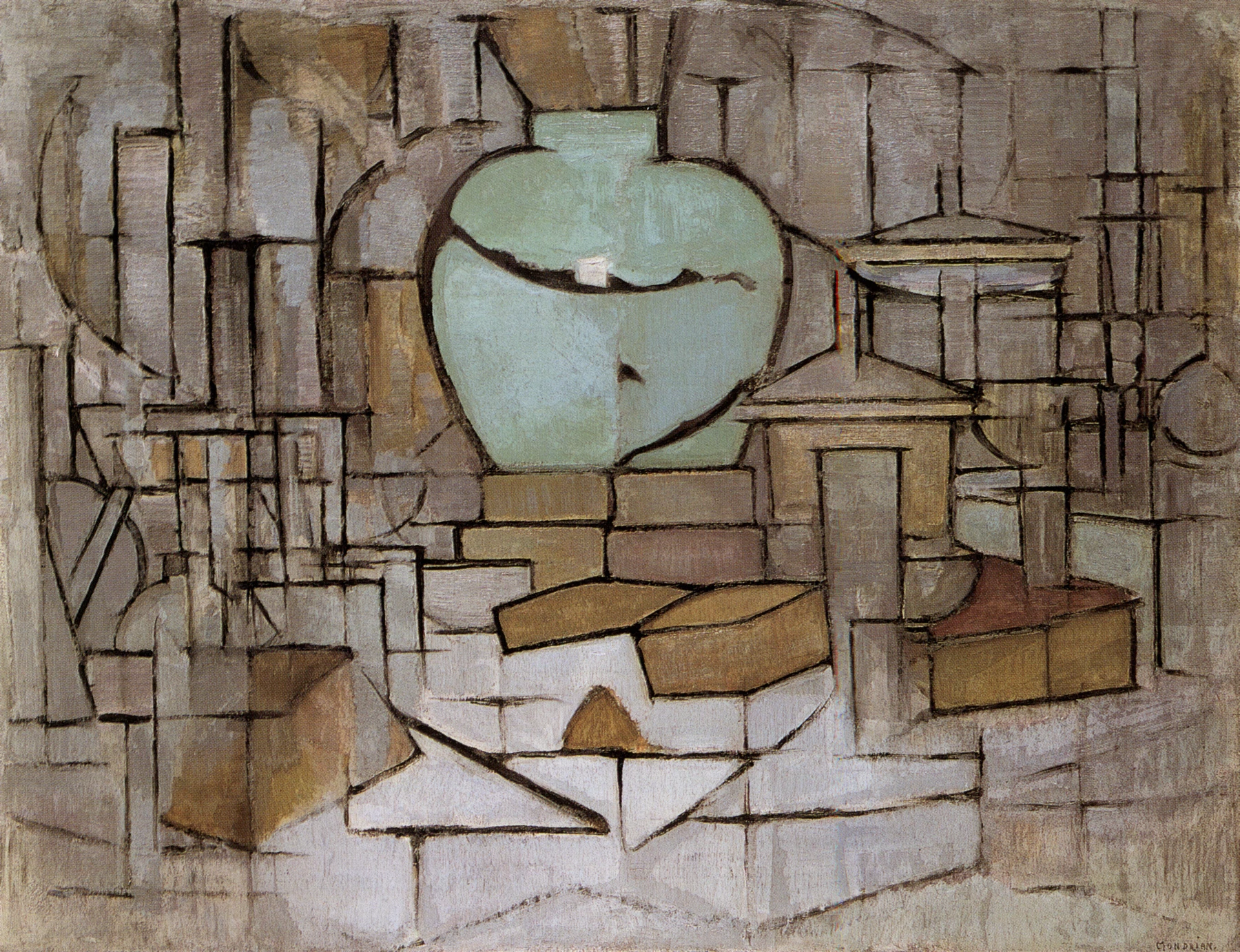
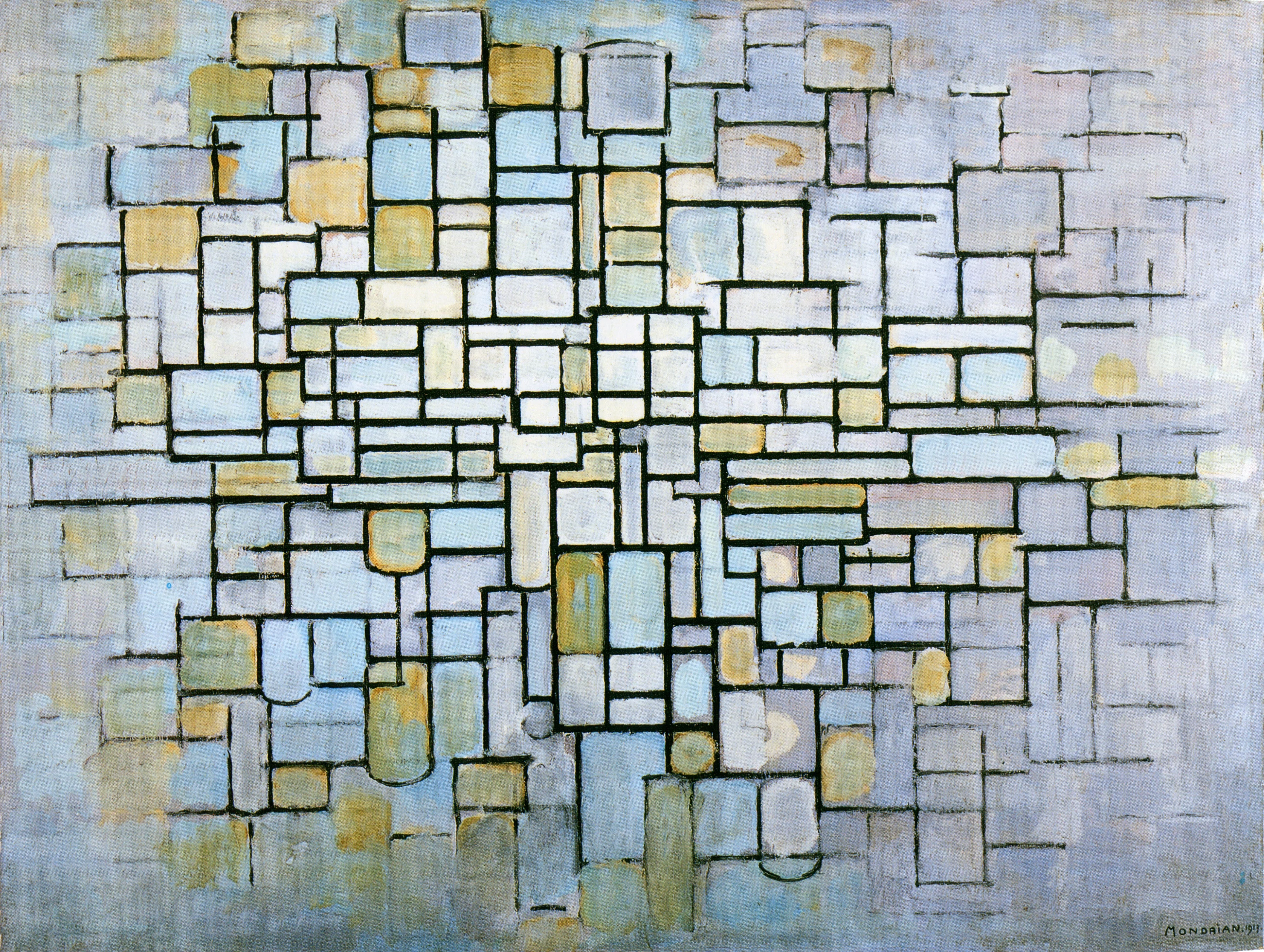
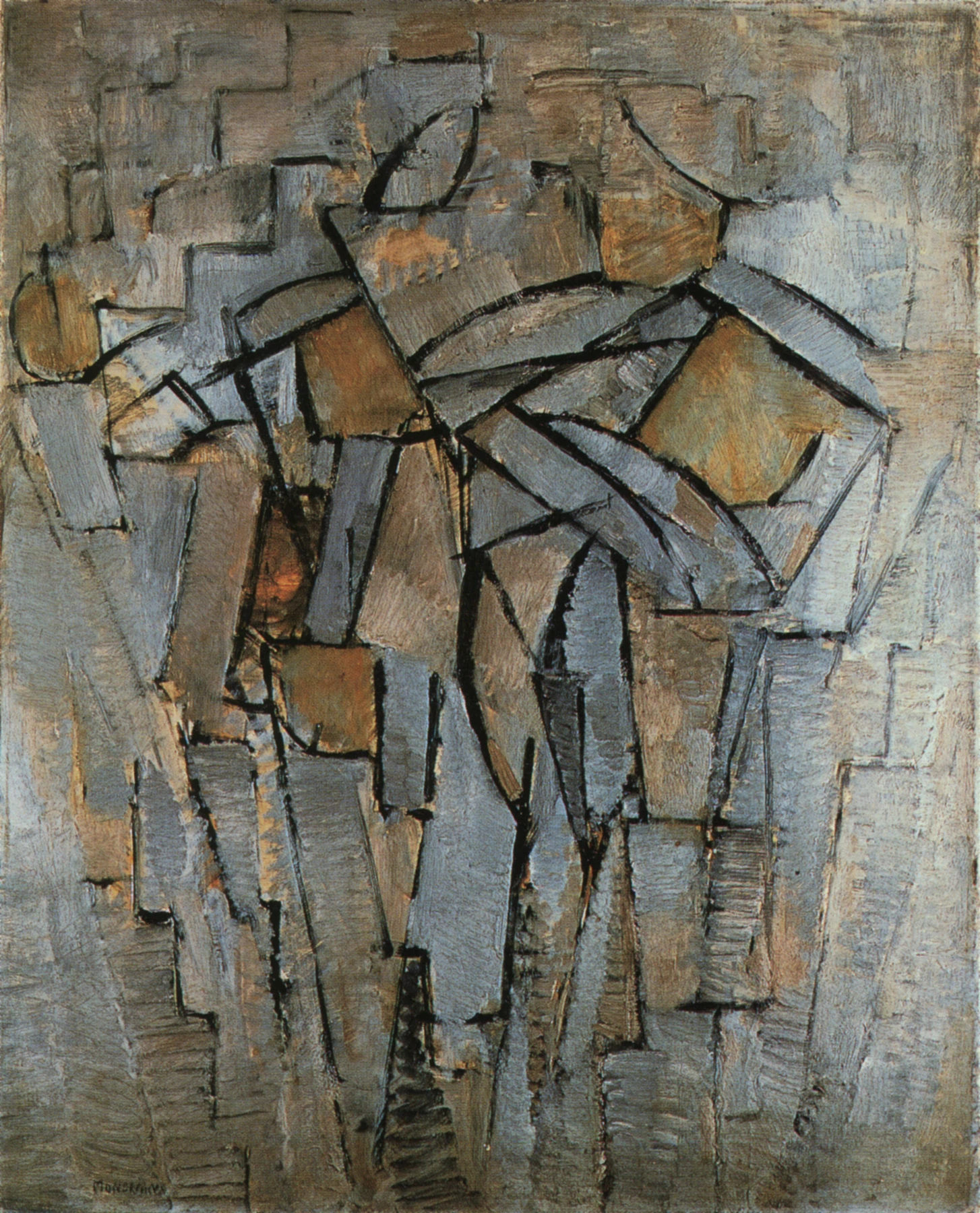
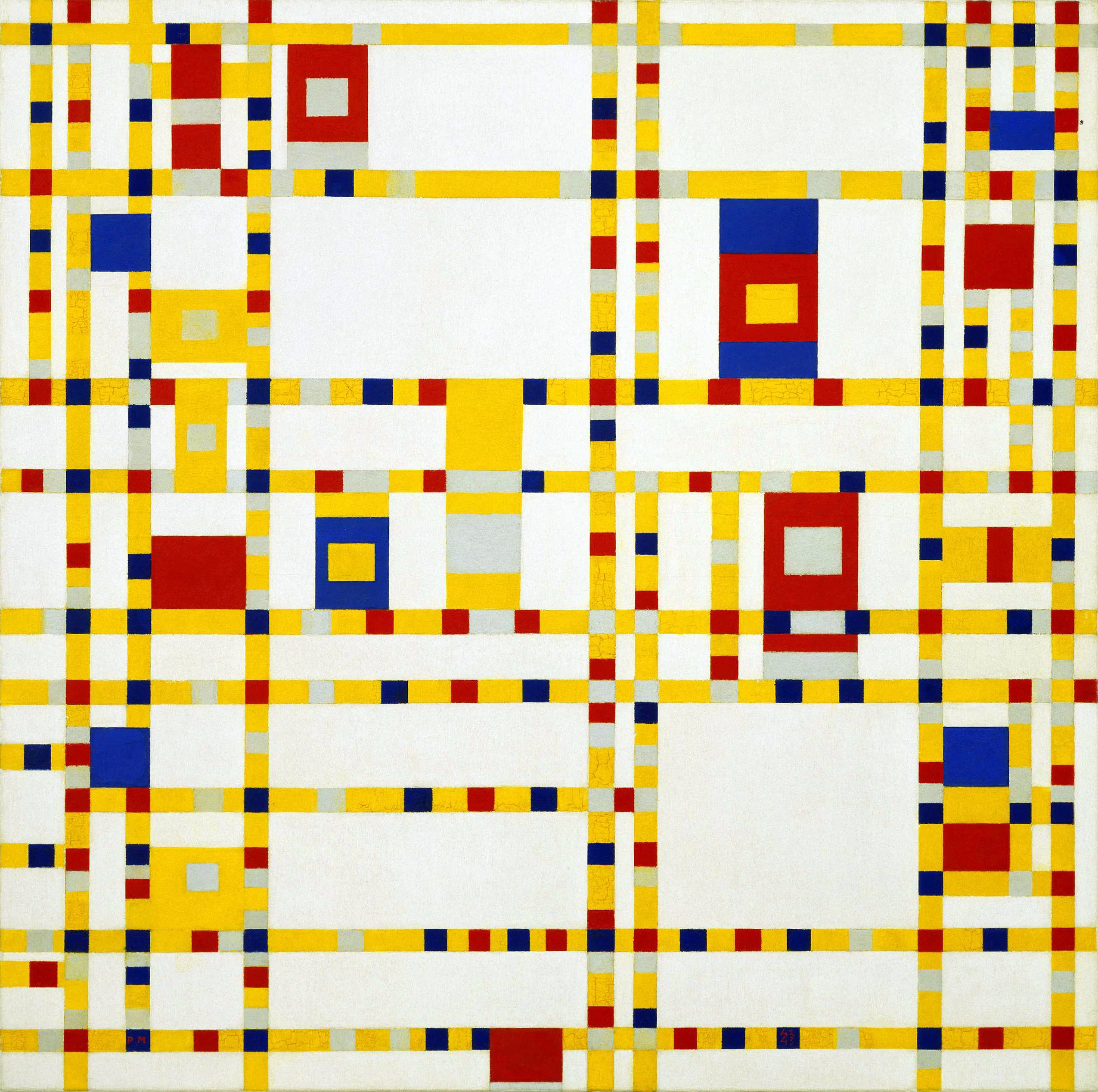
Dutch painter Piet Mondrian began his career firmly rooted in the representational form, favoring naturalistic and impressionistic landscapes. His style was influenced by Picasso and Braque as it morphed into his signature non-representational form which he termed Neo-Plasticism. It was through this form that he became an important contributor to the De Stijl art movement.

Biography.com, “Piet Mondrian”

“Intense involvement with living things is involvement with death. If you follow nature, wrote Mondrian in 1920, you have to accept ‘whatever is capricious and twisted in nature’. If the capricious is beautiful, it is also tragic: ‘If you follow nature you will not be able to vanquish the tragic to any real degree in your art. It is certainly true that naturalistic painting makes us feel a harmony which is beyond the tragic, but it does not express this in a clear and definite way, since it is not confined to expressing relations of equilibrium. Let us recognise the fact once and for all: the natural appearance, natural form, natural colour, natural rhythm, natural relations most often express the tragic . . . We must free ourselves from our attachment to the external, for only then do we transcend the tragic, and are enabled consciously to contemplate the repose which is within all things.’

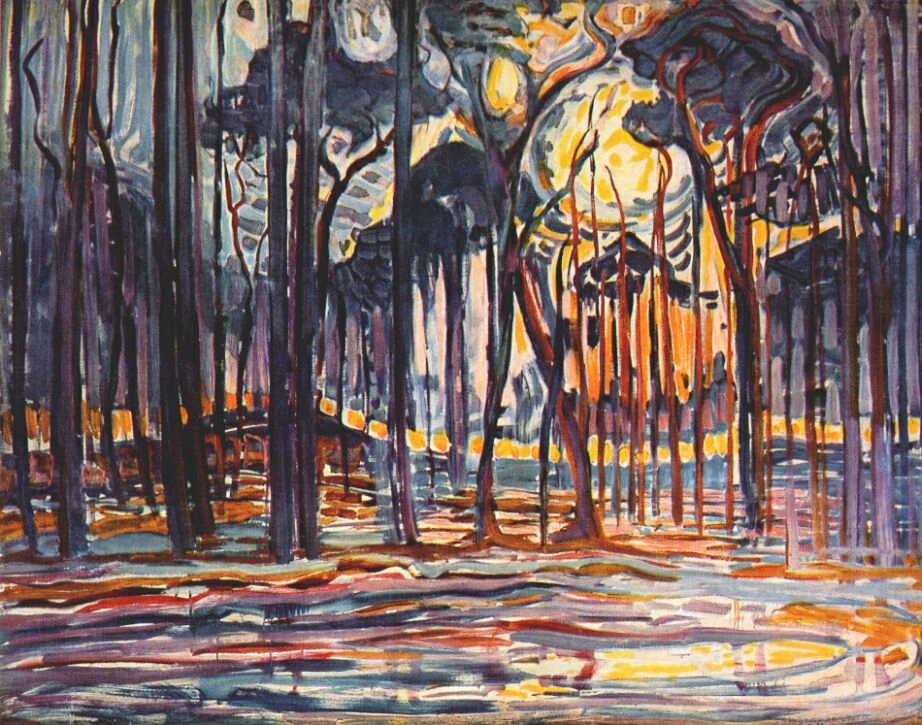
“Mondrian could find a repose to contemplate in natural things so long as he could see them with their energy held in check, as with the chrysanthemums. The object was tolerated so long as it seemed to contain its energy. Looking at the trees, he recognised the forces flowing out of them – so that the tendency towards the centrifugal first appears among these images – felt the need to release those forces from objects and objectify them in another way. Attachment had to be transferred from natural objects to things not subject to death. To an artificial tulip, which would be everlasting. To lines which were not lines tracing the growth in space of a tree but were lines not matched in nature, lines proper to art, lines echoing the bounding lines of the canvas itself.
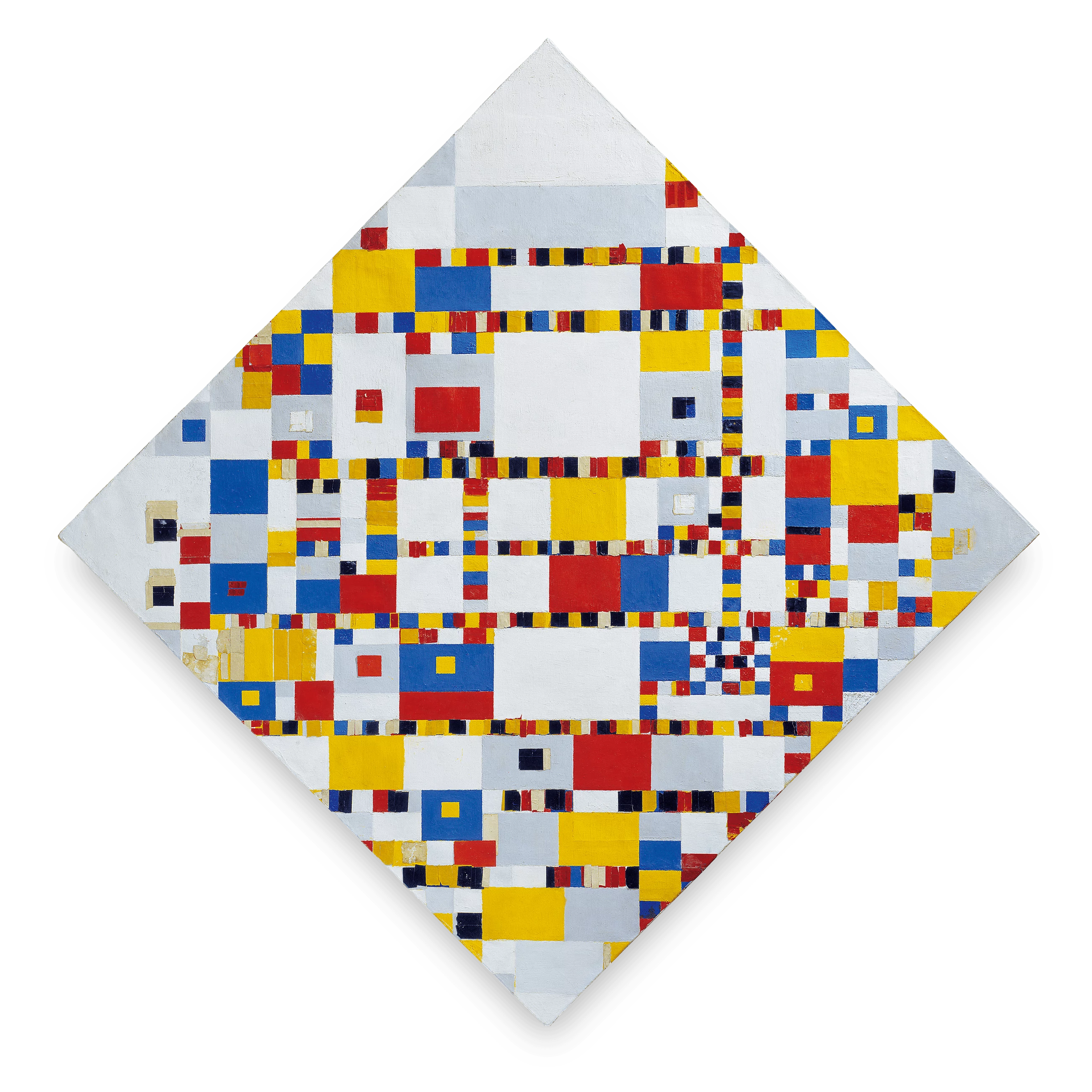
“Mondrian wanted the infinite, and shape is finite. A straight line is infinitely extendable, and the open-ended space between two parallel straight lines is infinitely extendable. A Mondrian abstract is the most compact imaginable pictorial harmony, the most self-sufficient of painted surfaces (besides being as intimate as a Dutch interior). At the same time it stretches far beyond its borders so that it seems a fragment of a larger cosmos or so that, getting a kind of feedback from the space which it rules beyond its boundaries, it acquires a second, illusory, scale by which the distances between points on the canvas seem measurable in miles.

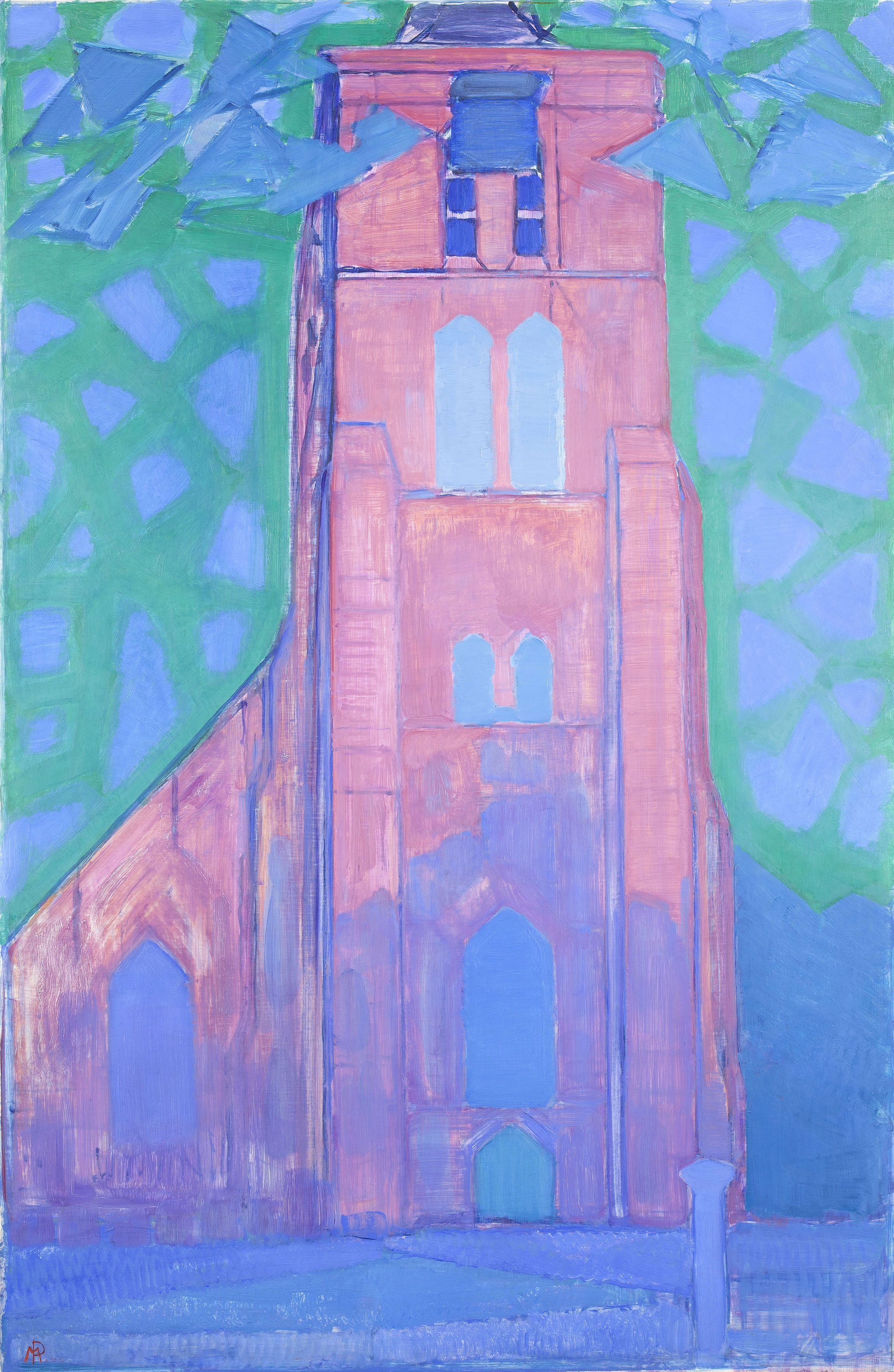
” ‘The positive and the negative are the causes of all action … The positive and the negative break up oneness, they are the cause of all unhappiness. The union of the positive and the negative is happiness.’ The palpable oneness of the solitary flower or tower, being subject to time and change, had to give way to the subliminal oneness of a vivid equilibrium.”

Trivium is a crosslinked library of artists & artworks - a resource for the passionately curious.