Age of ExplorationNeoclassicism
Culture loves to fight itself. Any trend that sticks around too long becomes a fulcrum for the next movement to push against. In the mid 1700s, the prevailing vibe in Western art was Rococo—a sexy, decadent visual style that stuffed palatial interiors full of elaborate ornament and paintings of frolicking cherubs, chubby nymphs, and rich kids flirting on swings in fantastical gardens. Rococo was fun and frivolous, art for titillation and pleasure. The next wave tilted towards reform, order, and virtue. Enter Neoclassicism, a look back to the high-minded civilizations of the past.
The word Neoclassicism describes the rebirth of Classicism, or the aesthetics and philosophical ideals of the so-called classical civilizations of Ancient Greece and Rome. And while burgeoning industrialization, increasing scientific development, and the dawn of enlightenment humanist thinking primed the landscape for a return to civil-minded art, the true origin of the Neoclassical art movement was in tourism.
The Grand Tour was a rite of passage and a sweet vacation. Young aristocrats left their manors to visit the great cities of Europe, as cultural critic Matt Gross put it, “in search of art, culture, and the roots of Western civilization.” And the roots of civilization were actively being rediscovered. The city of Herculaneum was excavated in 1738, Pompeii ten years later, which lead the German art historian Johann Joachim Winckelmann to write and publish Thoughts on the Imitation of Greek Works in Painting and Sculpture, arguably the theoretical foundation of Neoclassicism.
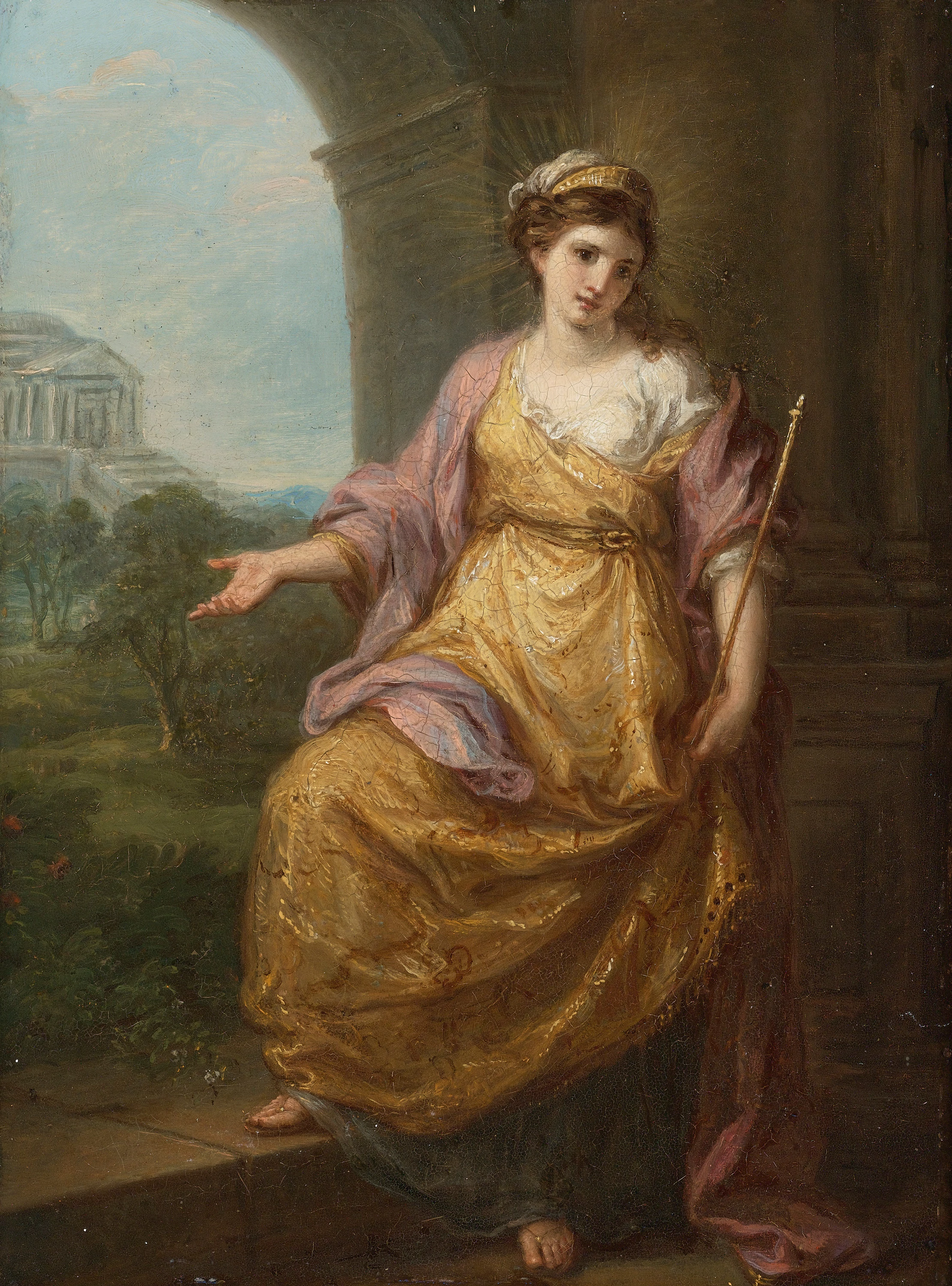
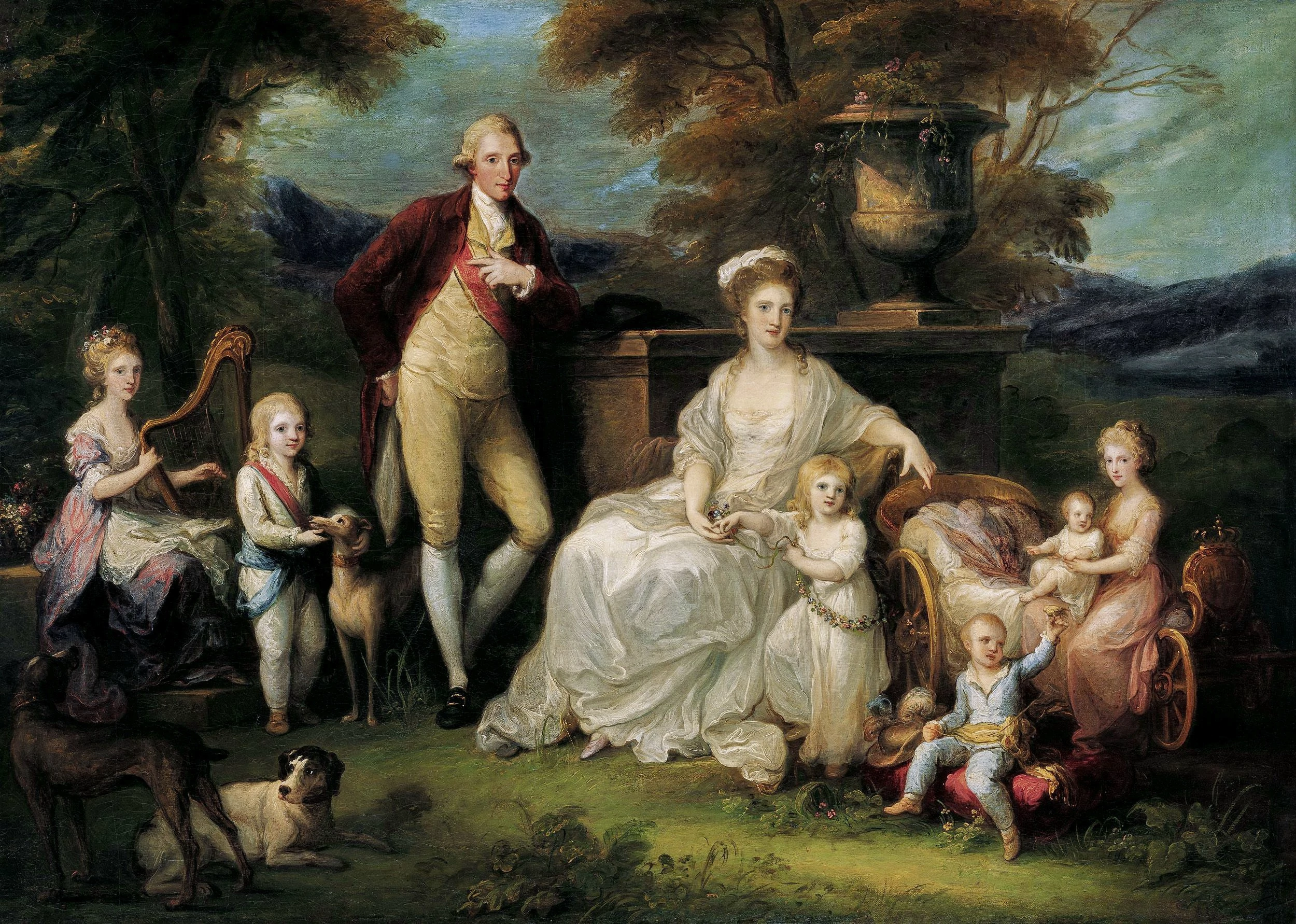
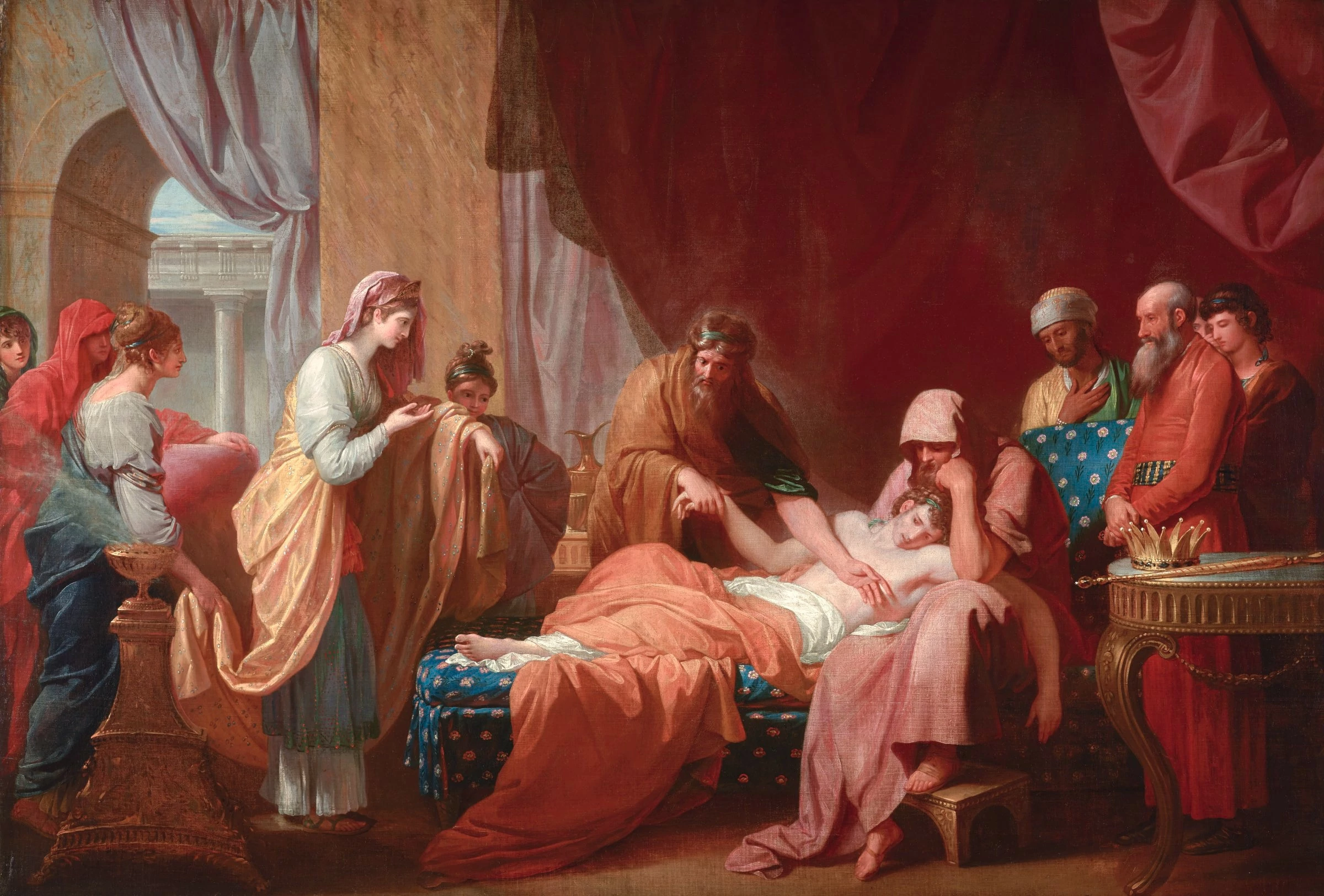
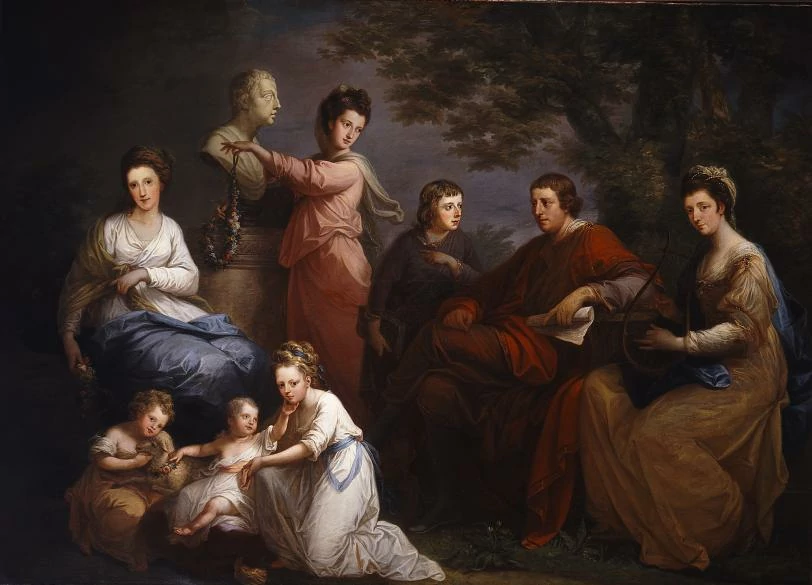
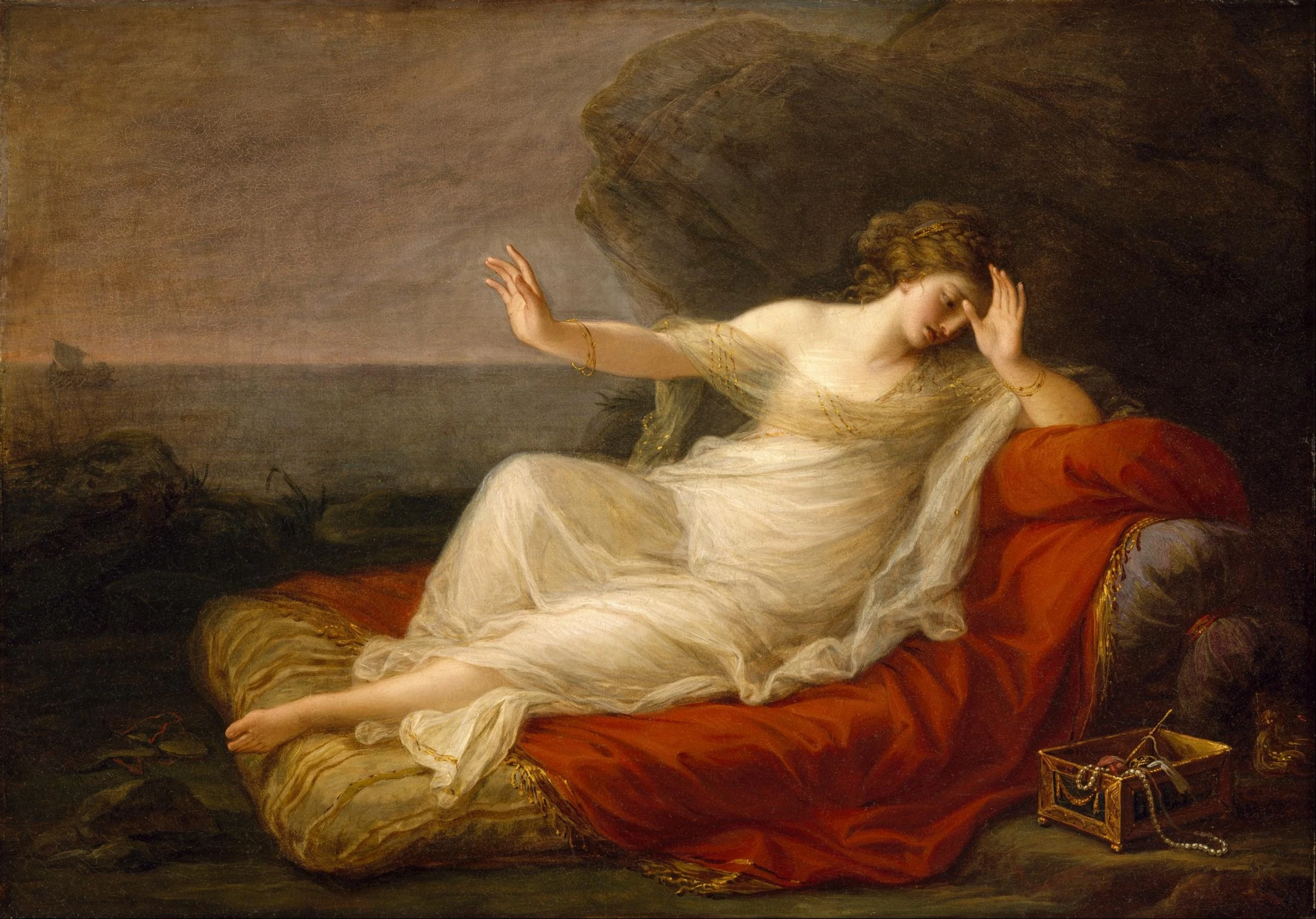
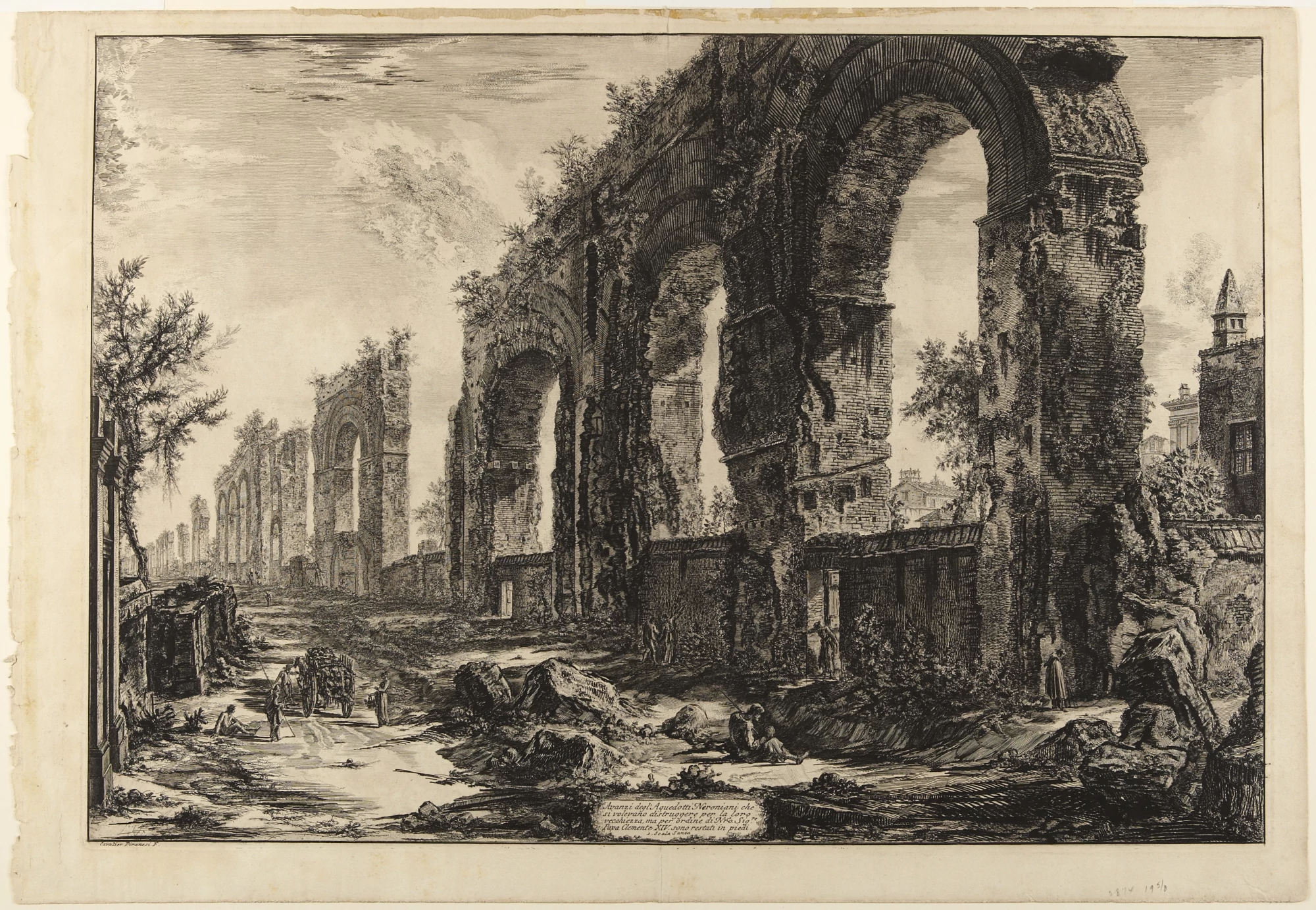
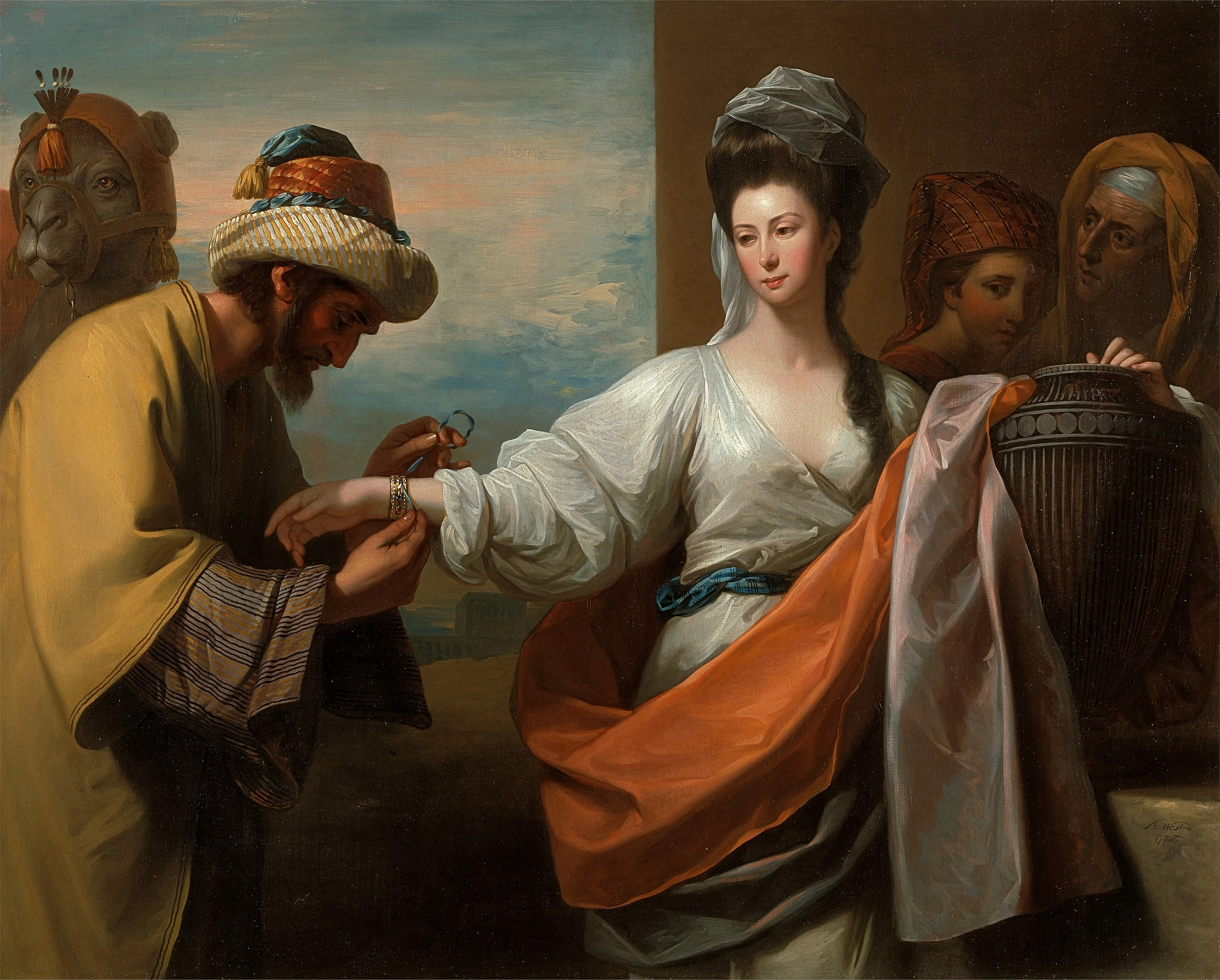
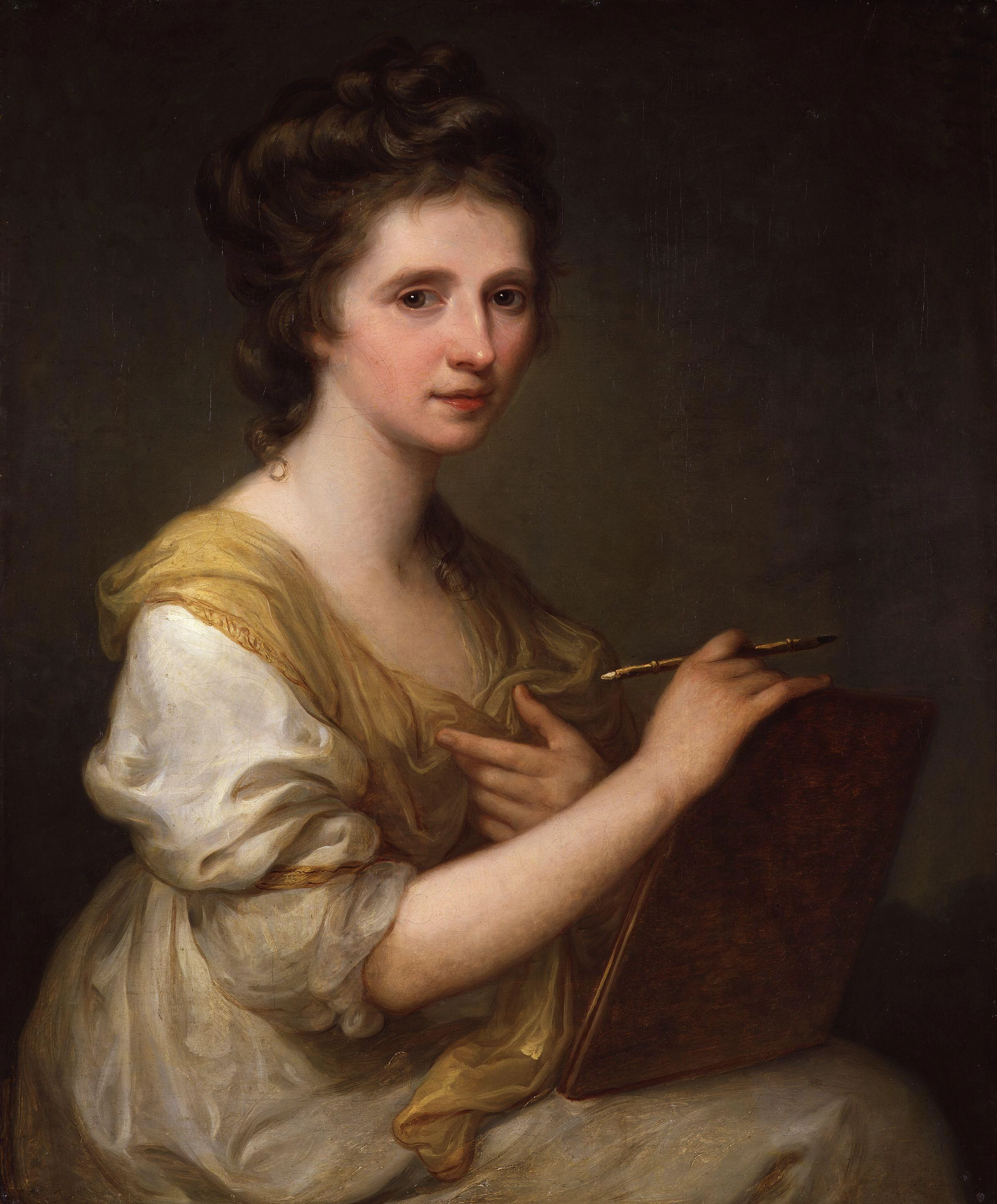
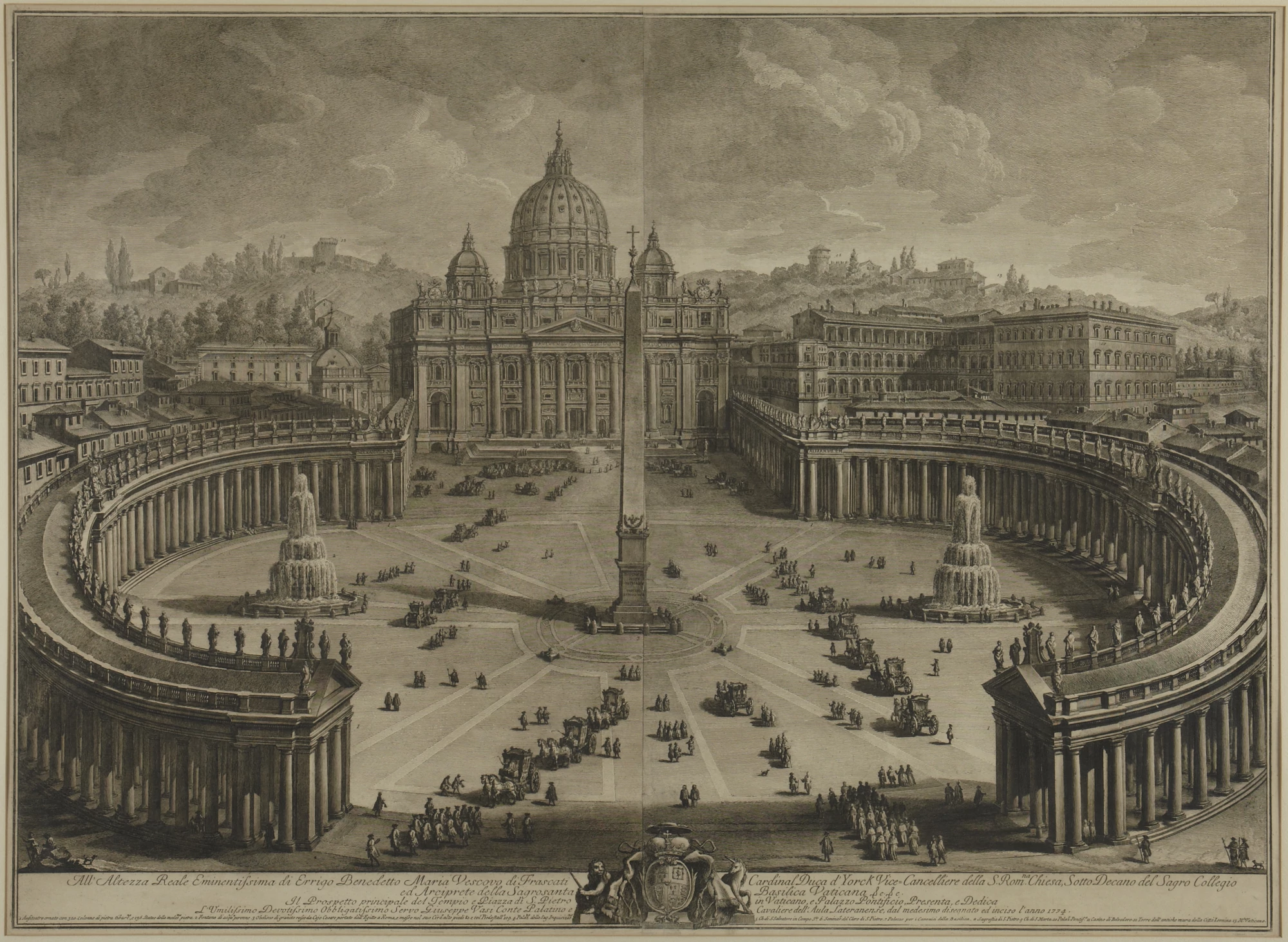
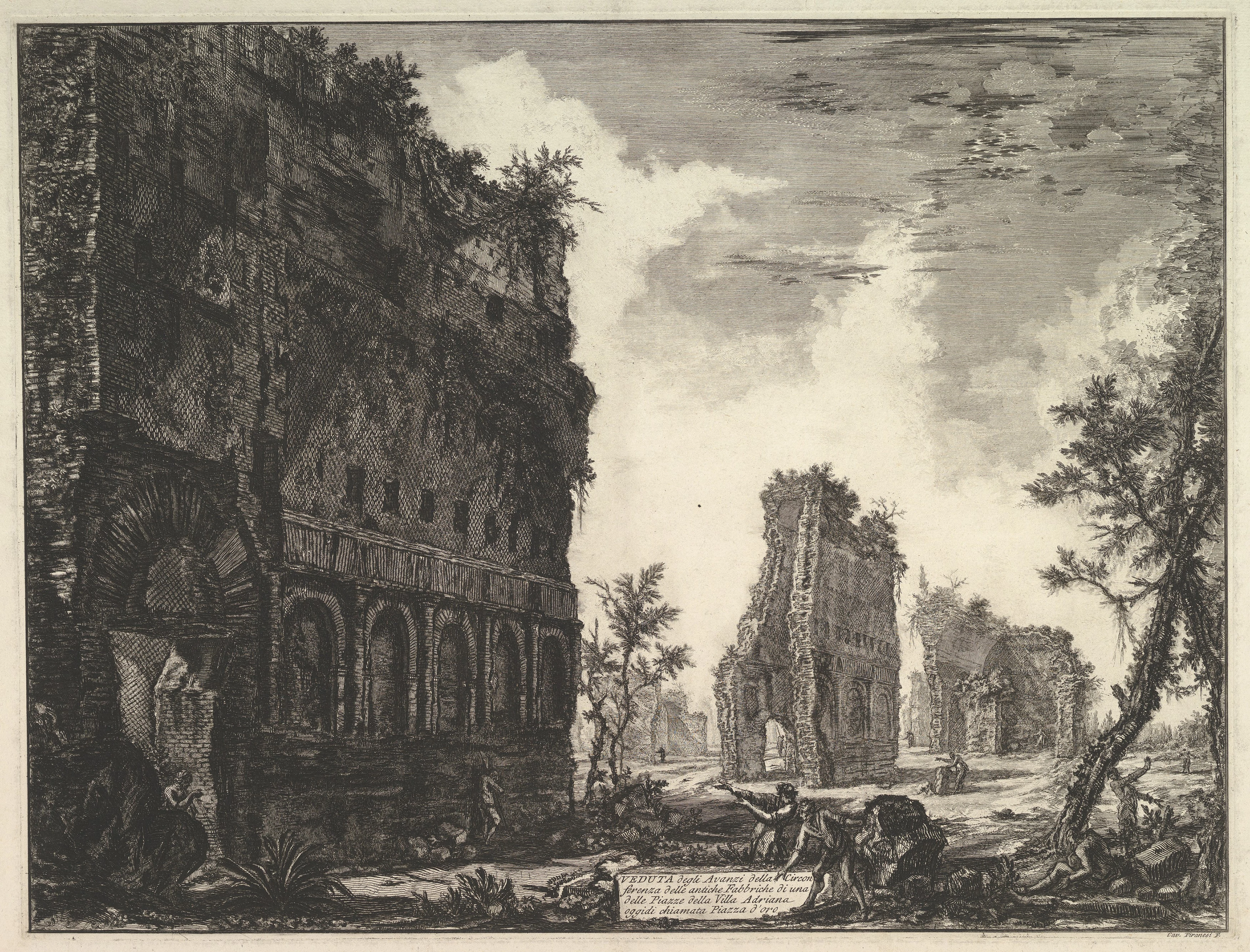
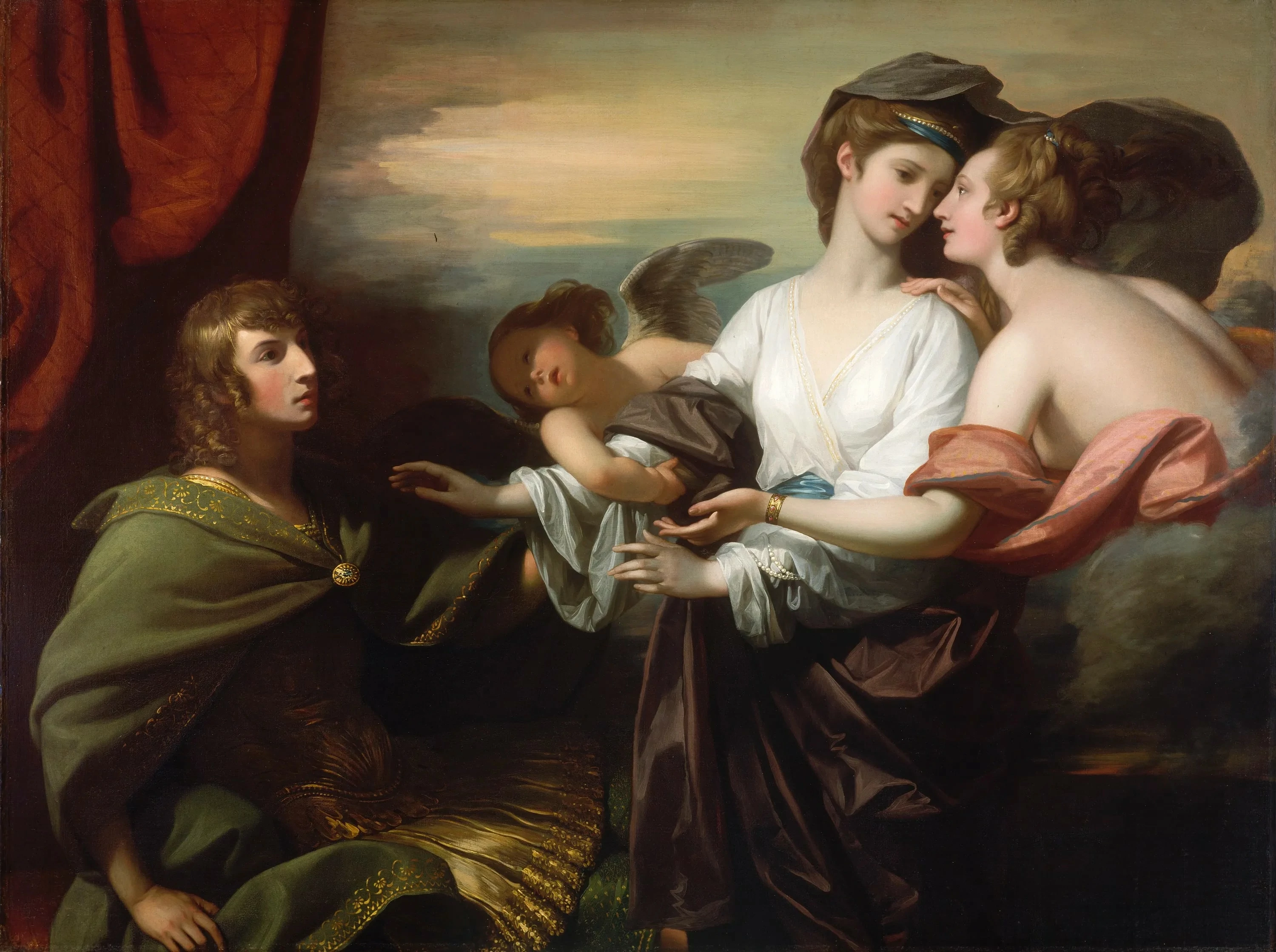
Along with the aristocracy, artists competed to win their own version of the Grand Tour—the art prize Prix de Rome, a fully-funded residency in Rome to study the classics of renaissance art. While in Rome, Rococo artists like Nicolas Poussin and Claude Lorrain walked streets built by Roman hands and explored ruins of startling simplicity, symmetry and mathematical beauty. The allure of classical order seeped into these artists, later arrivals like Anton Raphael Mengs, and visitors from Britain like Angelica Kauffman and Benjamin West.
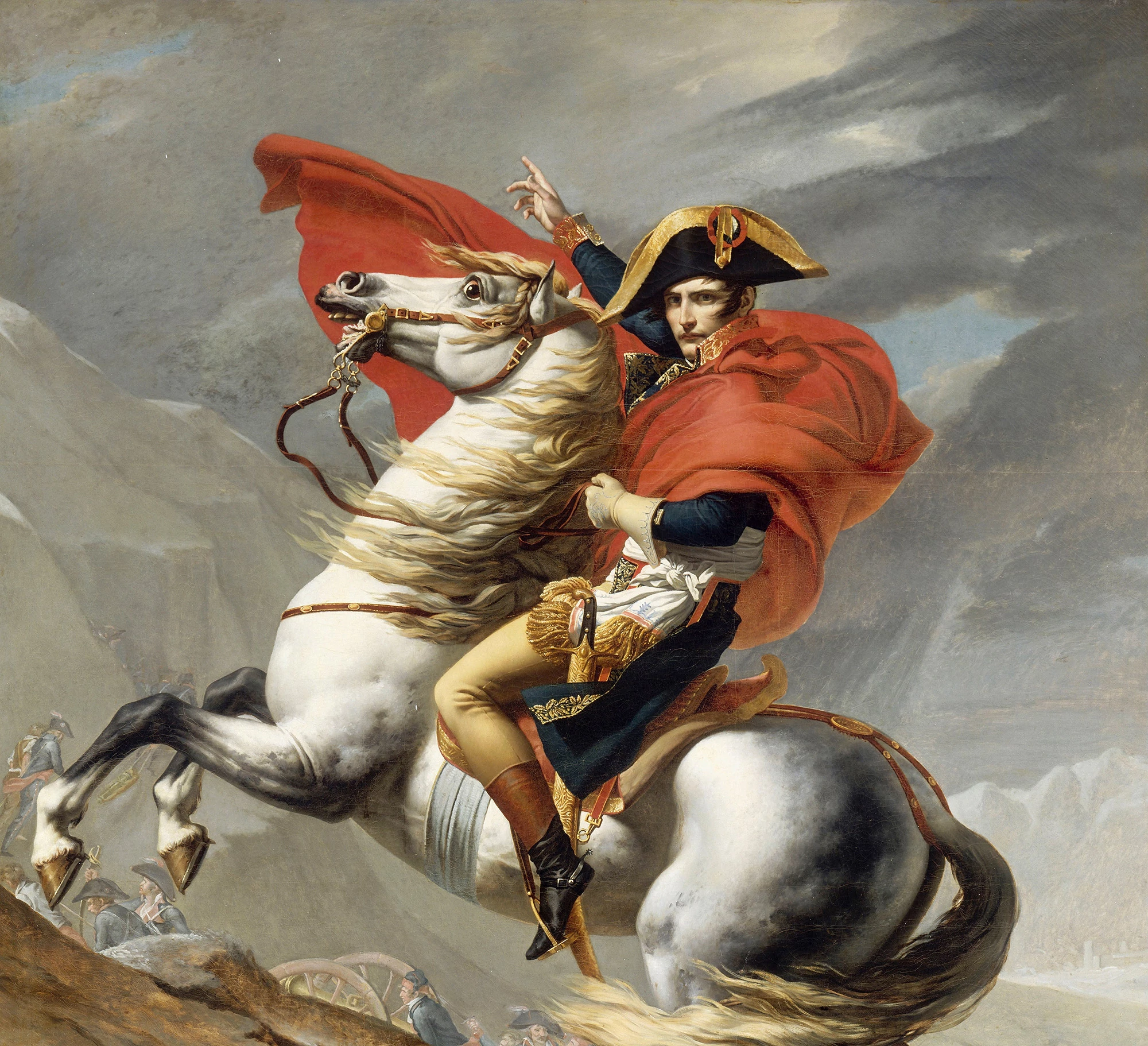
It’s reductive to say that any art movement reached its apex in a single artist, but Jacques-Louis David absolutely owned Neoclassicism. David was an irascible and fiercely ambitious student, and he was opposed to classical art at first, saying “the Antique will not seduce me, it lacks animation, it does not move” instead he focused on Baroque styles, the precursor to Rococo. But David was unable to escape the draw of antiquity, first studying under Joseph-Marie Vien, an early Neoclassicist, and in 1774 winning the Prix de Rome, where he worked with Raphael Mengs, visited the impossibly preserved frescoes and mosaics of Pompeii, and fell deeply into the writings and philosophies of Winckelmann.
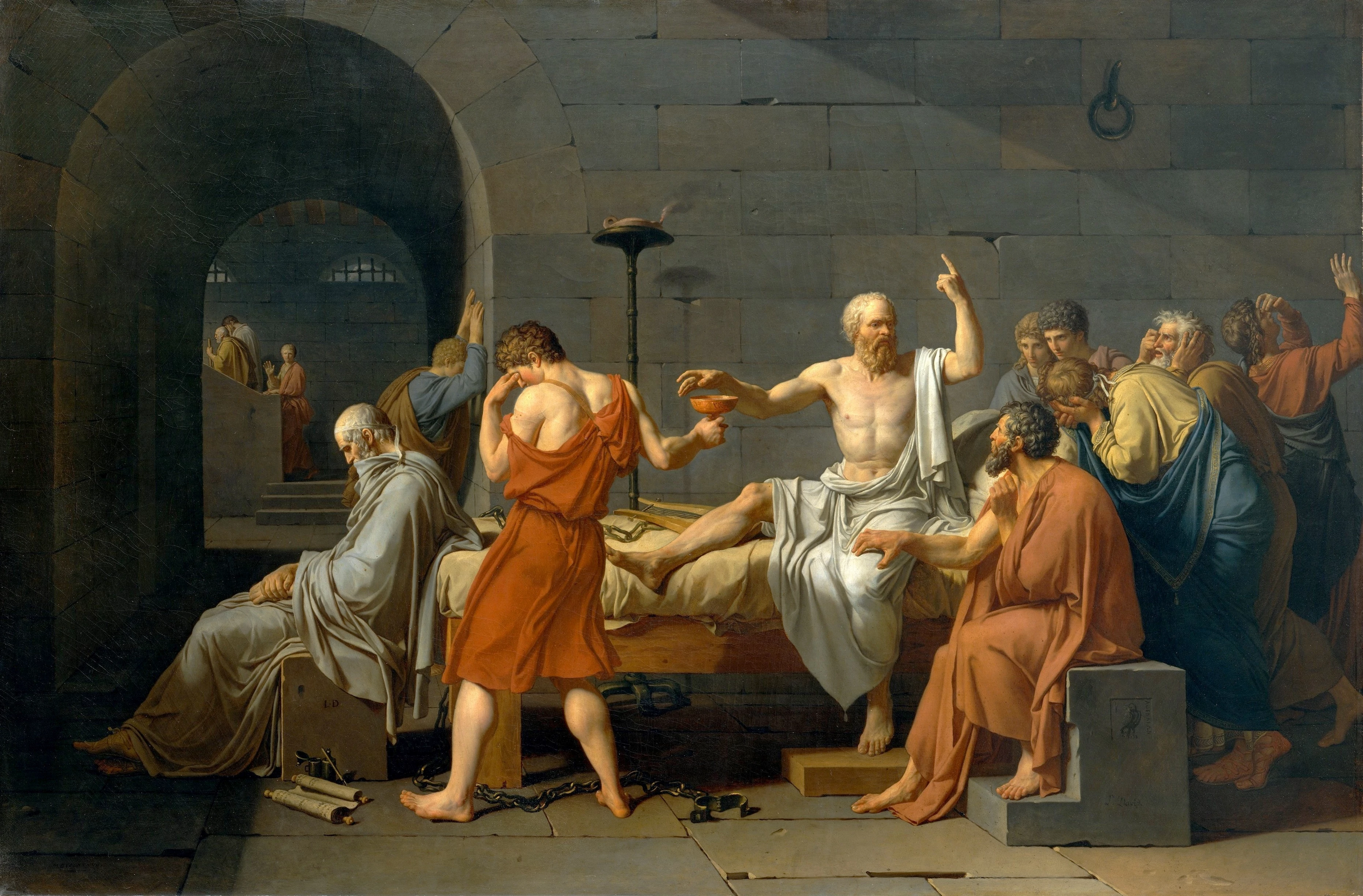
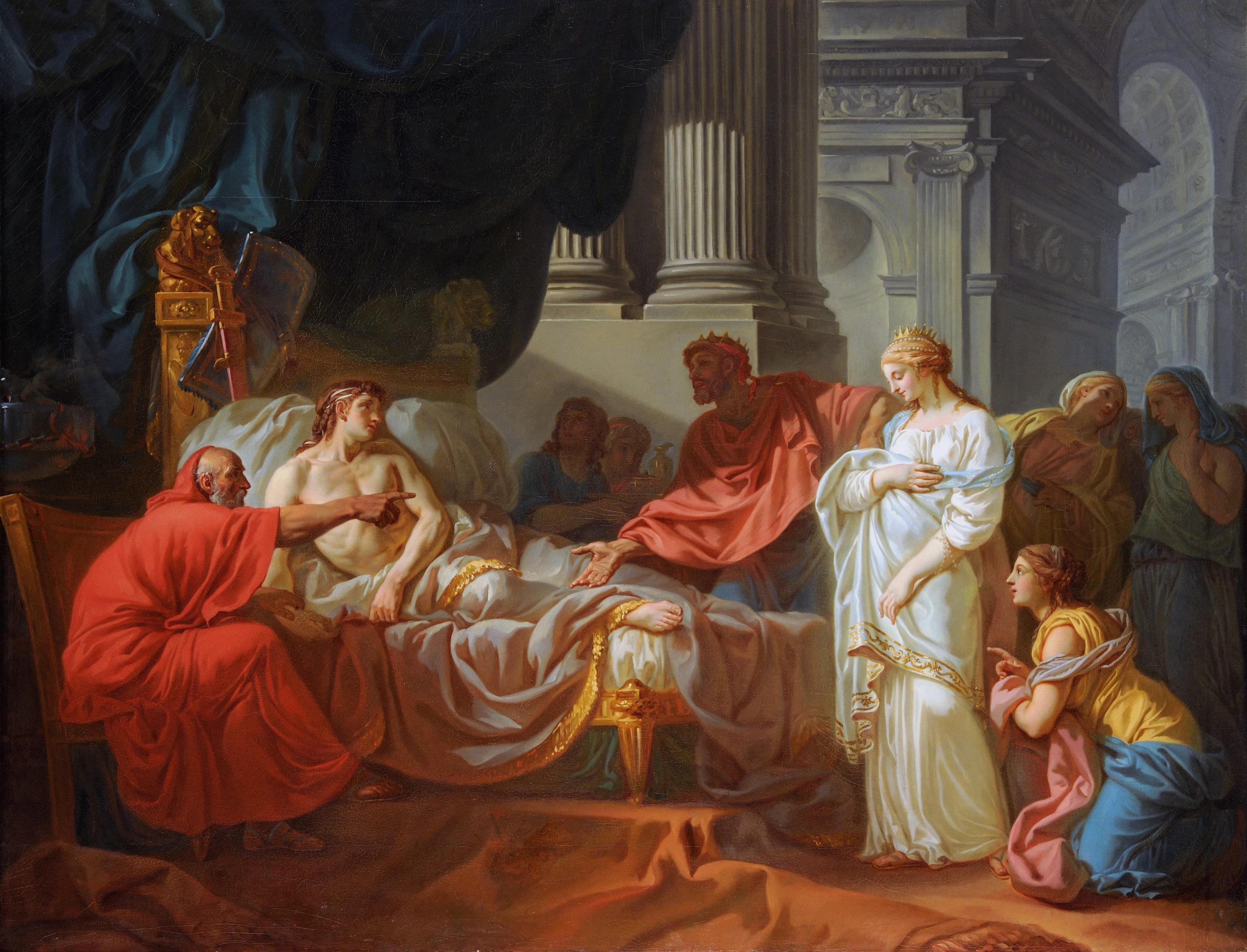
The paintings David completed during his time in Rome became the playbook for Neoclassical painting because they not only captured the aesthetic of the classical world, but repackaged its values for the turbulent political climate of his day. Oath of the Horatii showed men unified in support of the metaphorical patriarchal state. The Distribution of Eagles lauded military power centralized under a glorious imperator, and the Death of Socrates was compared to the dignified masculinity of Roman bas-relief.
...
Got questions, comments or corrections about Neoclassicism? Join the conversation in our Discord, and if you enjoy content like this, consider becoming a member for exclusive essays, downloadables, and discounts in the Obelisk Store.
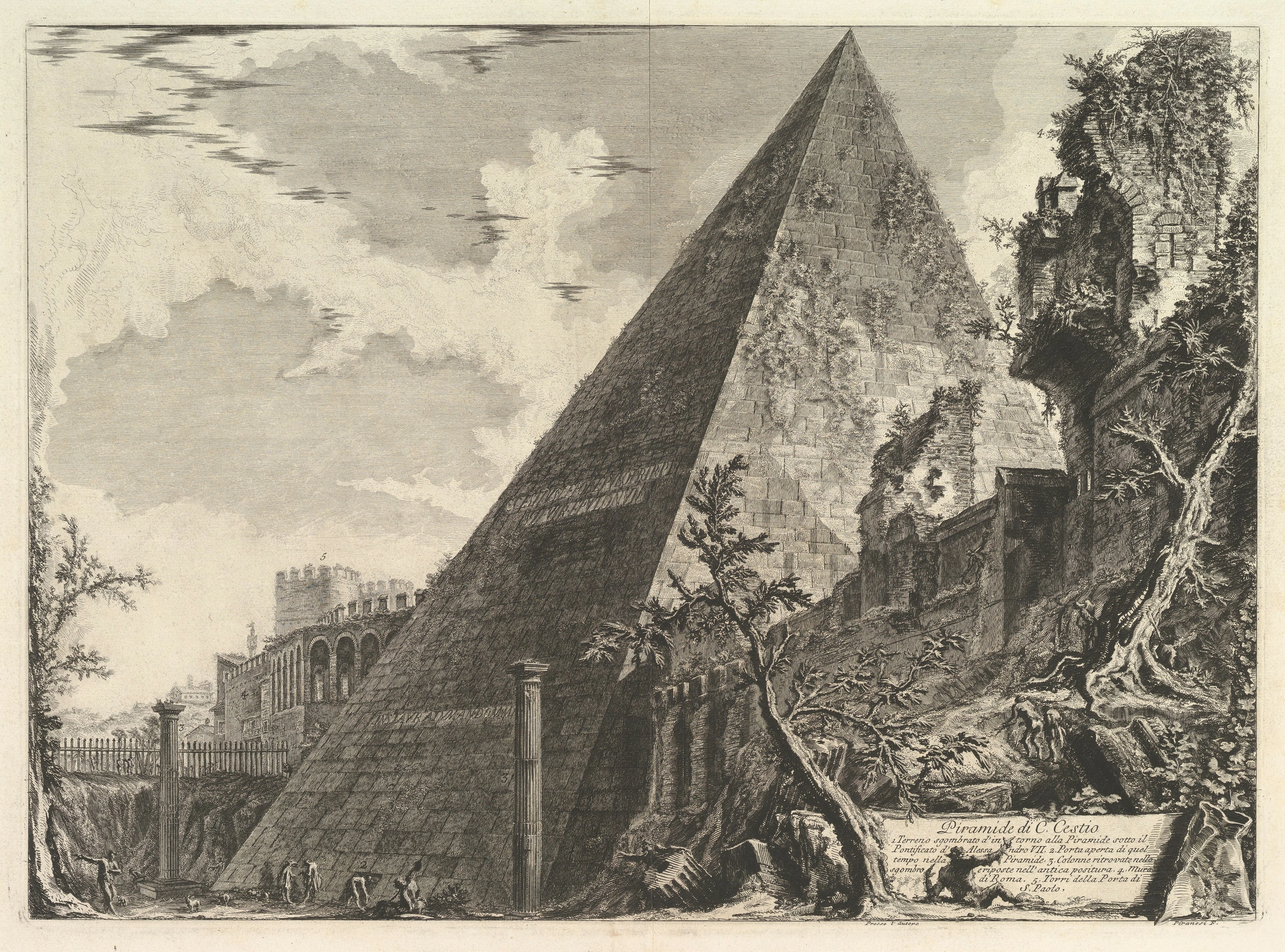
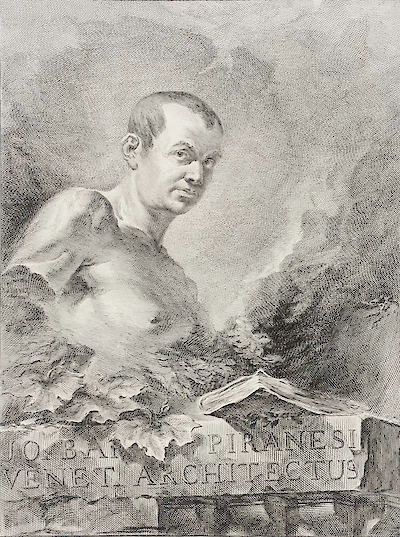
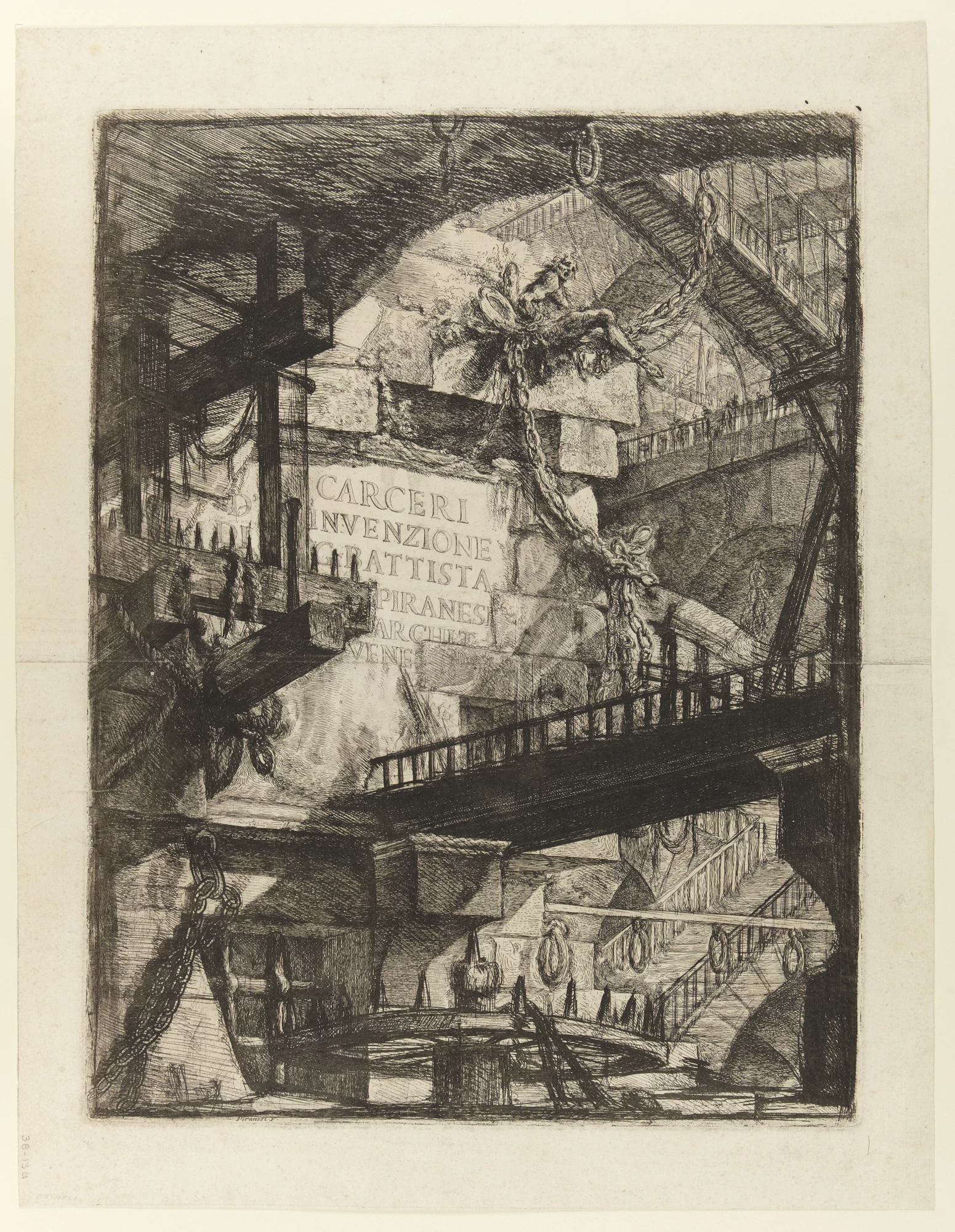
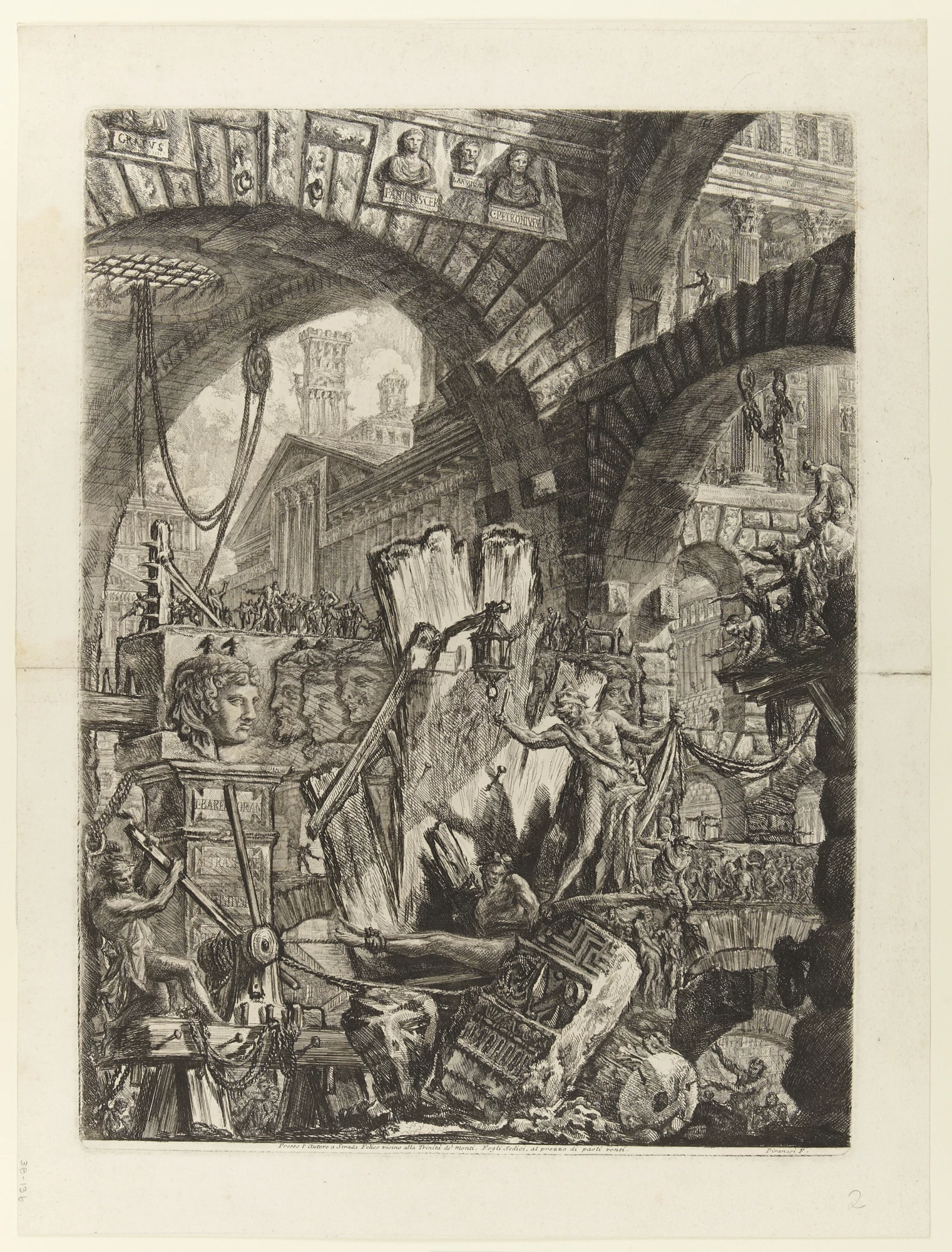
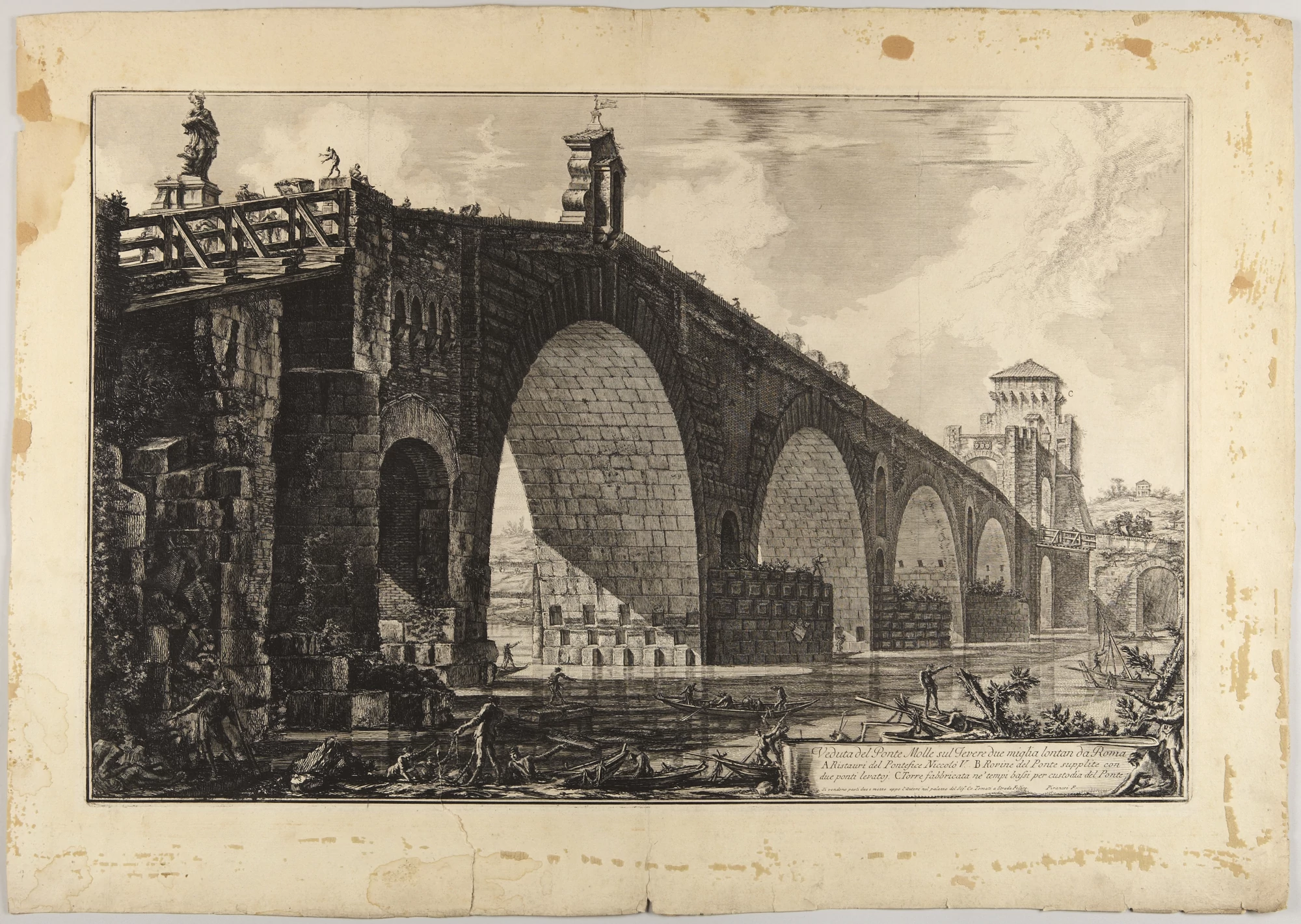
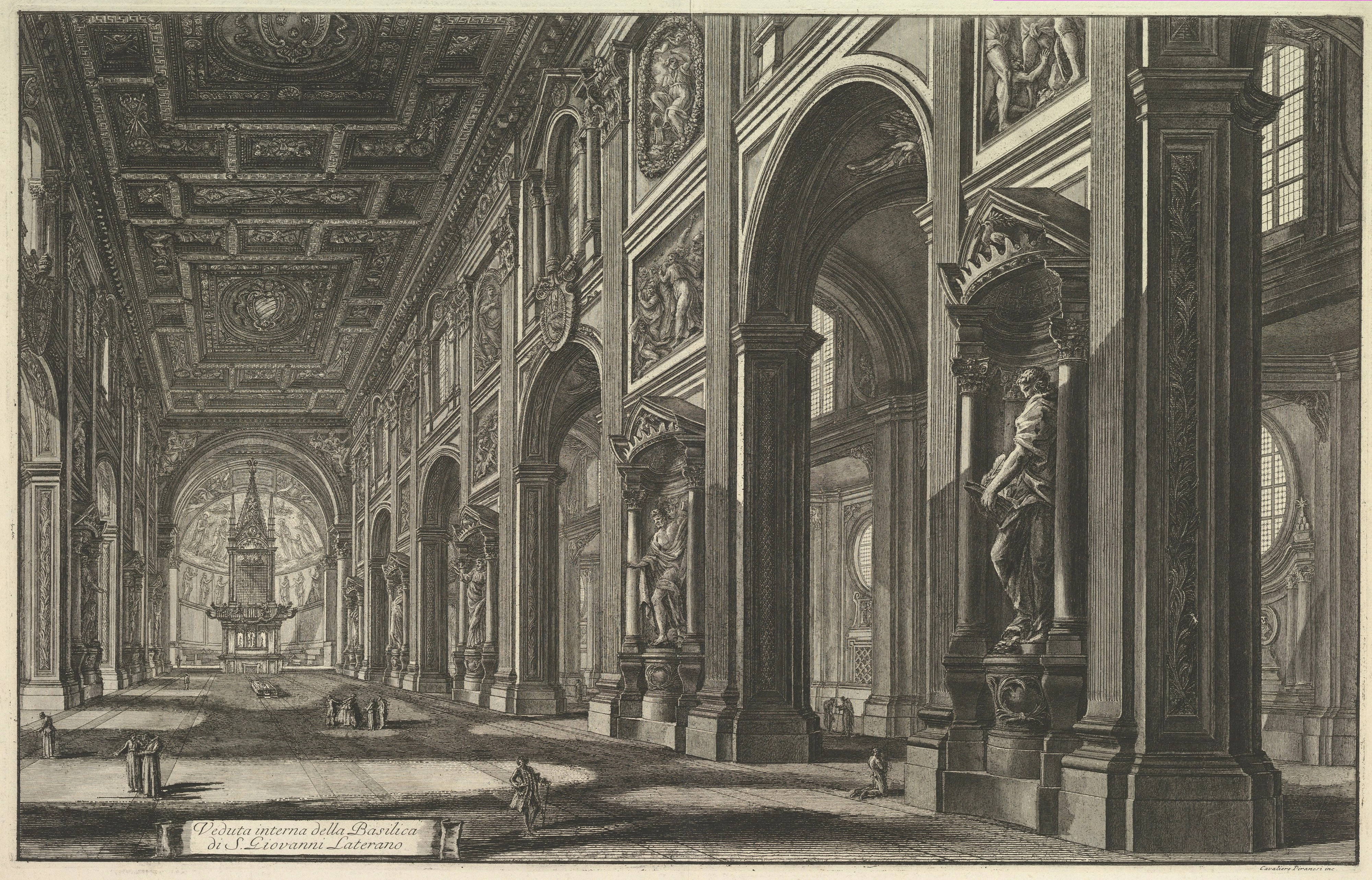
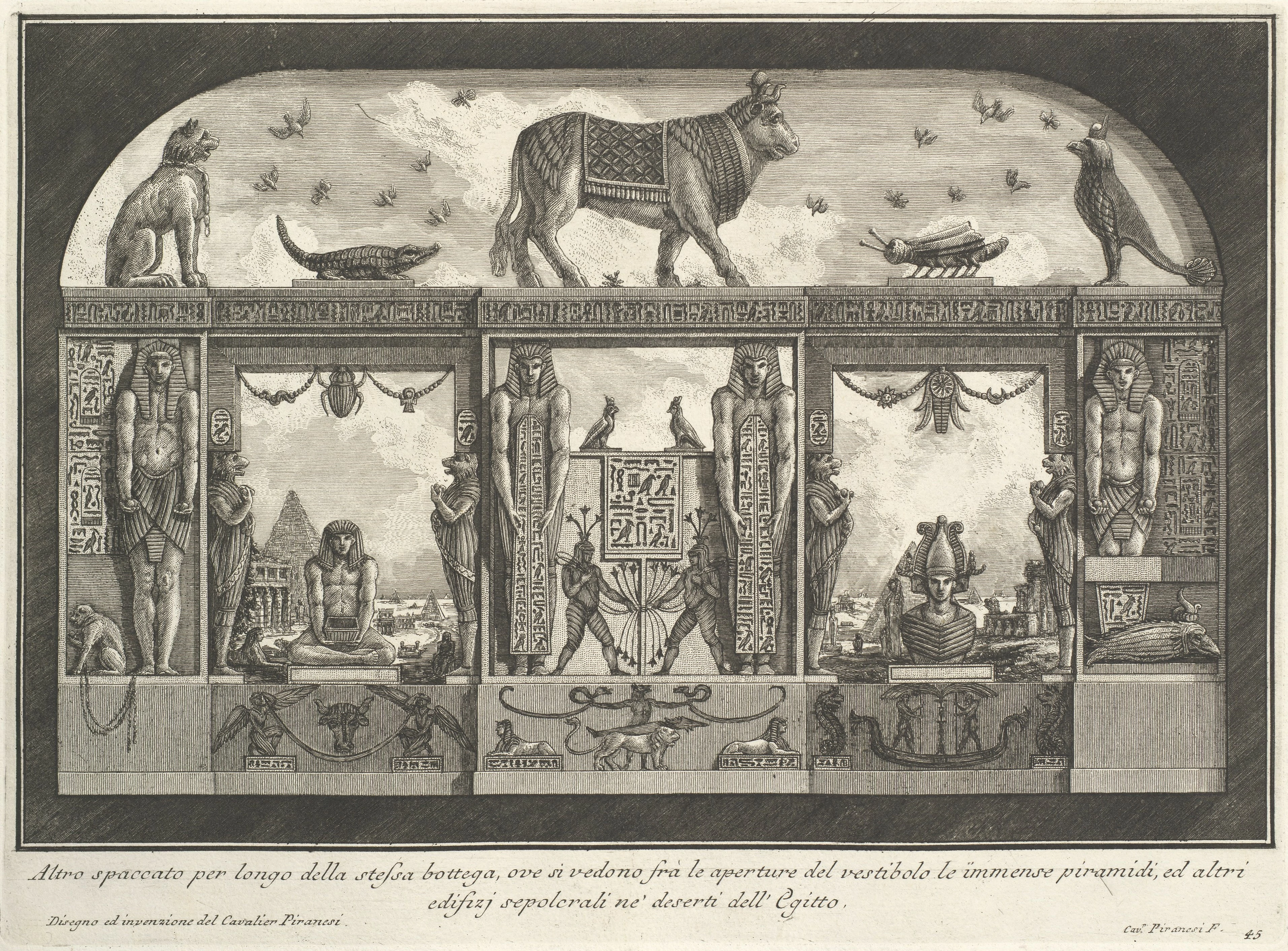
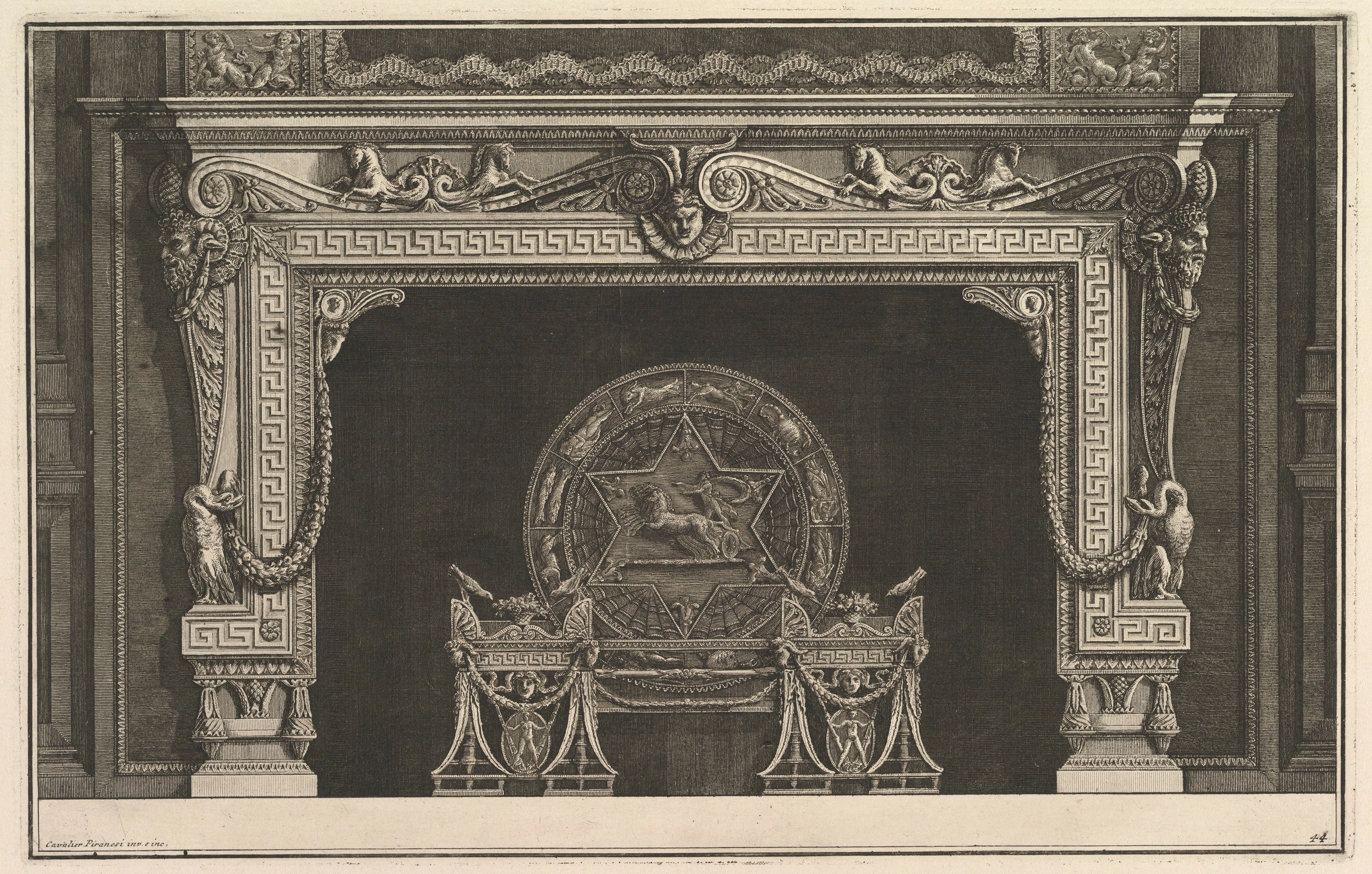
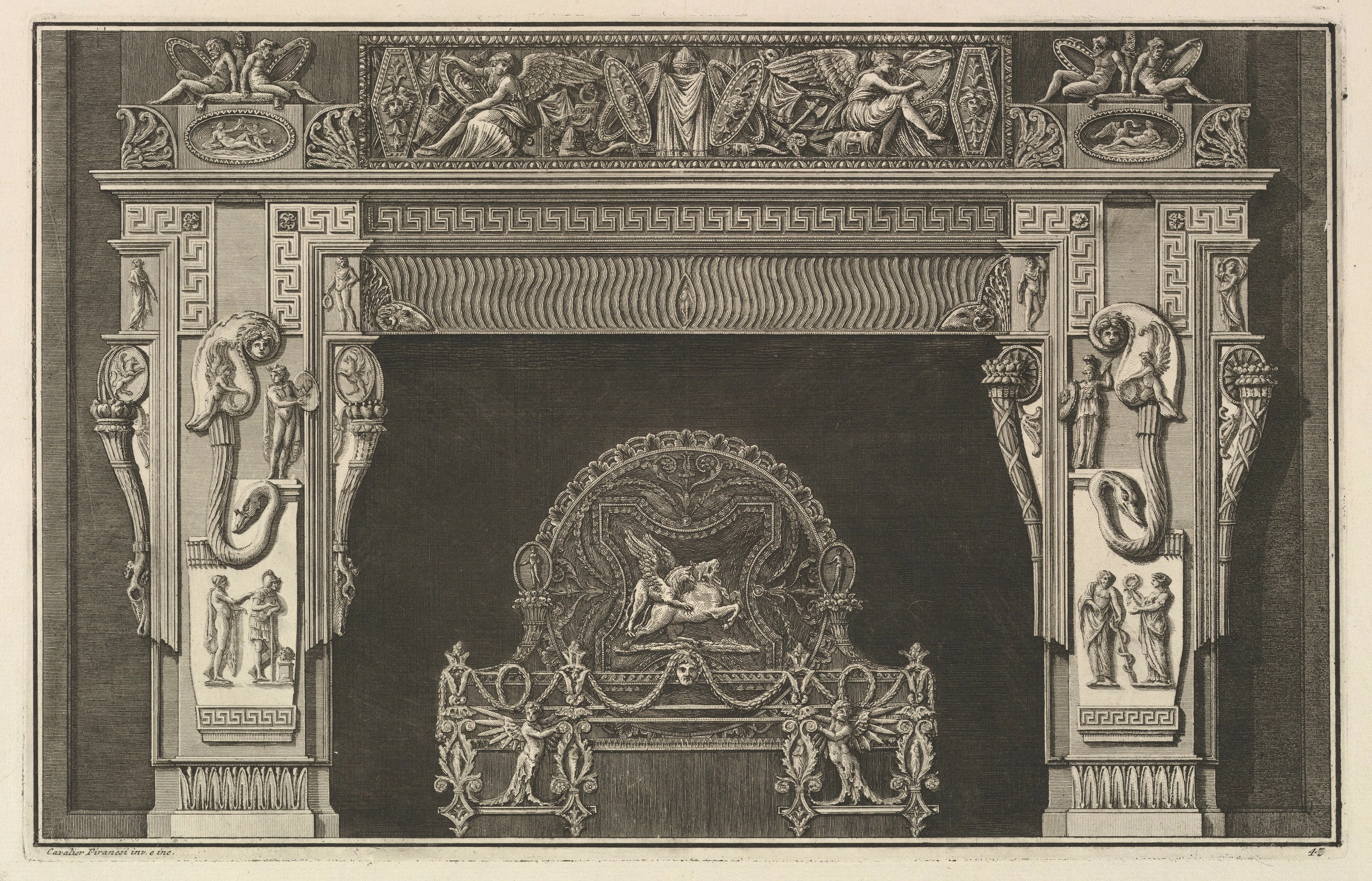
Making a living from etchings
1720 – 1778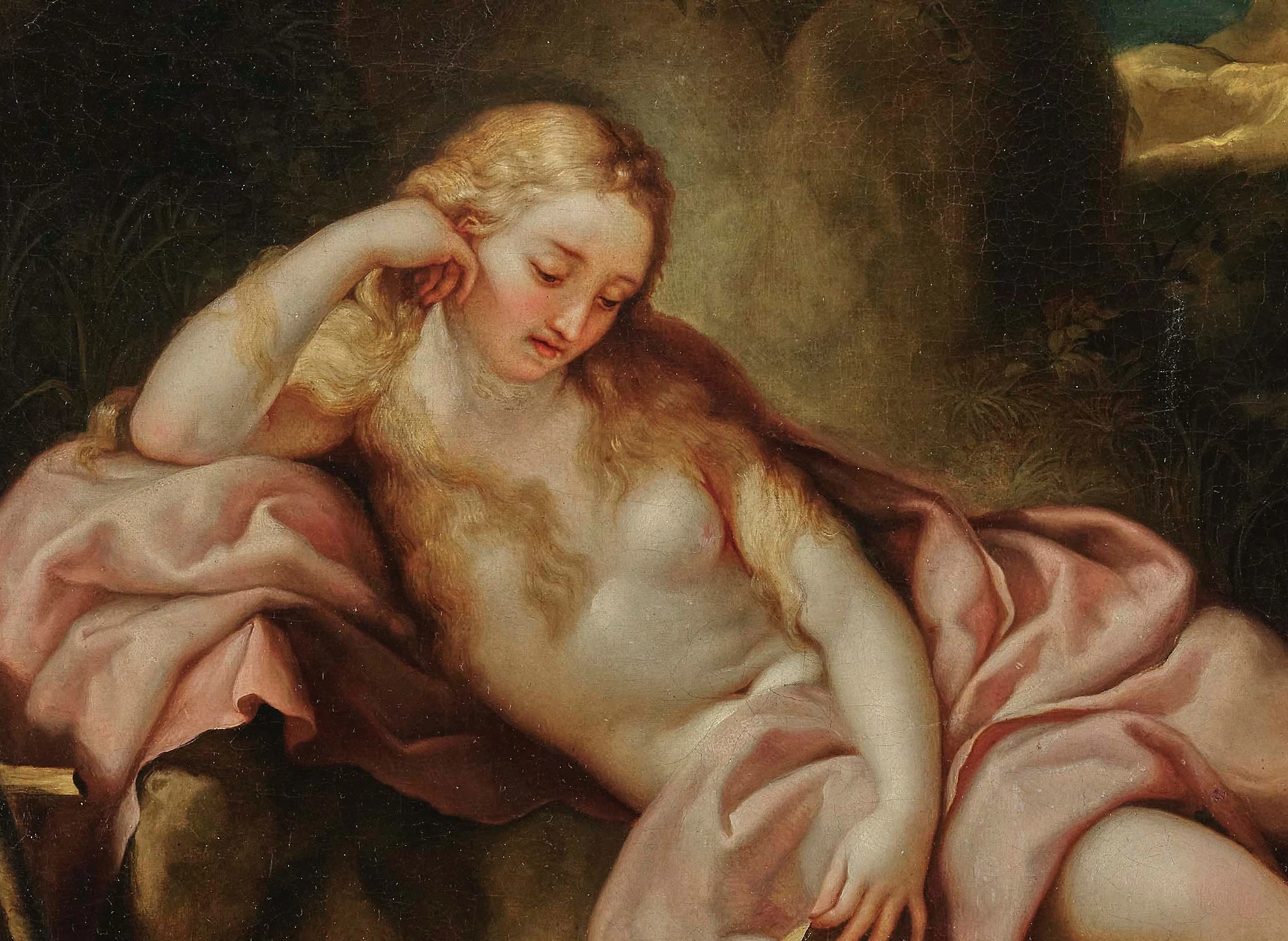
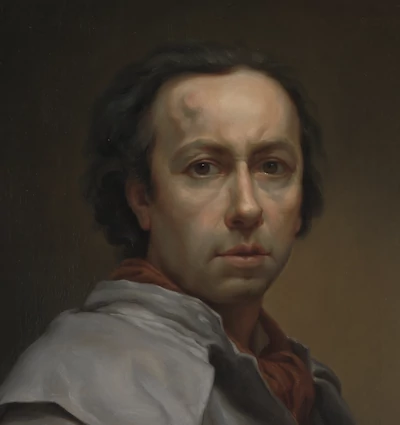
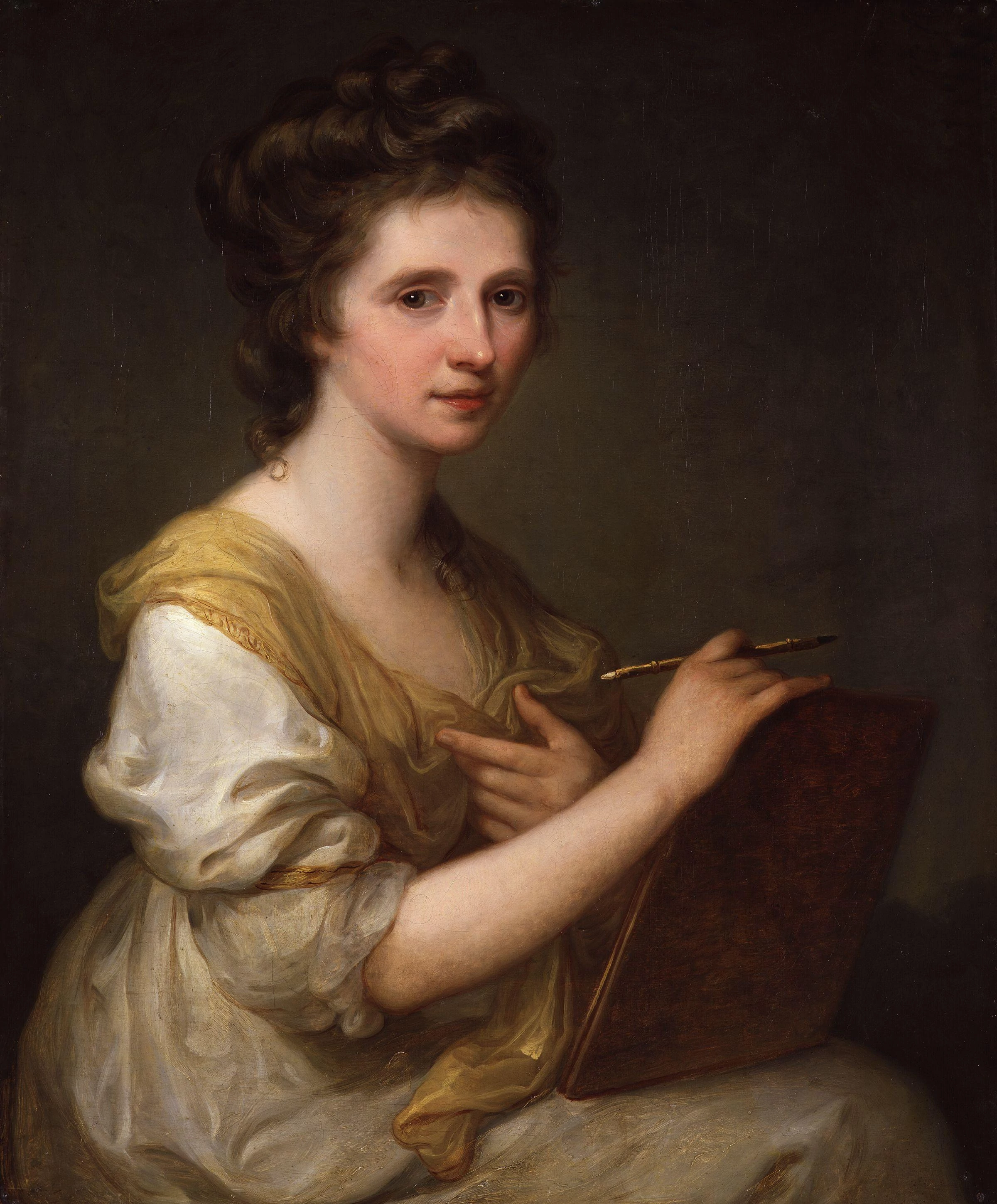
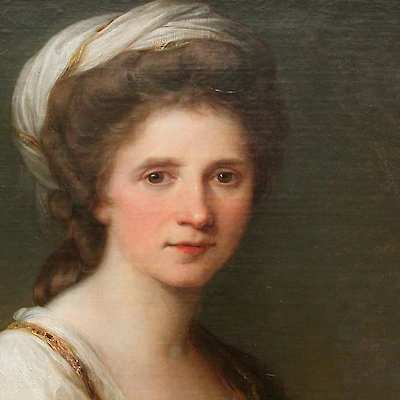
A feminist prodigy charms the European elite
1741 – 1807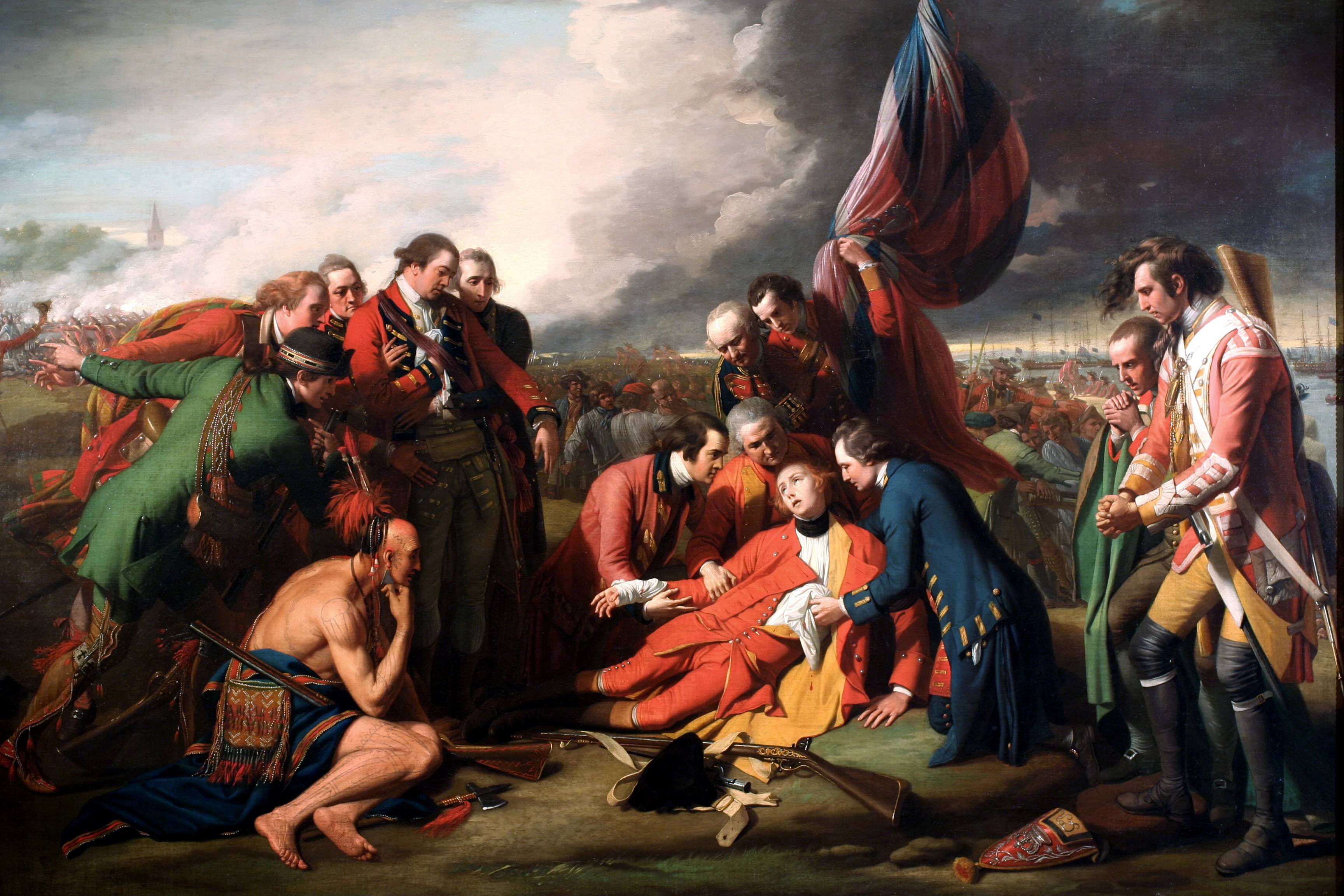
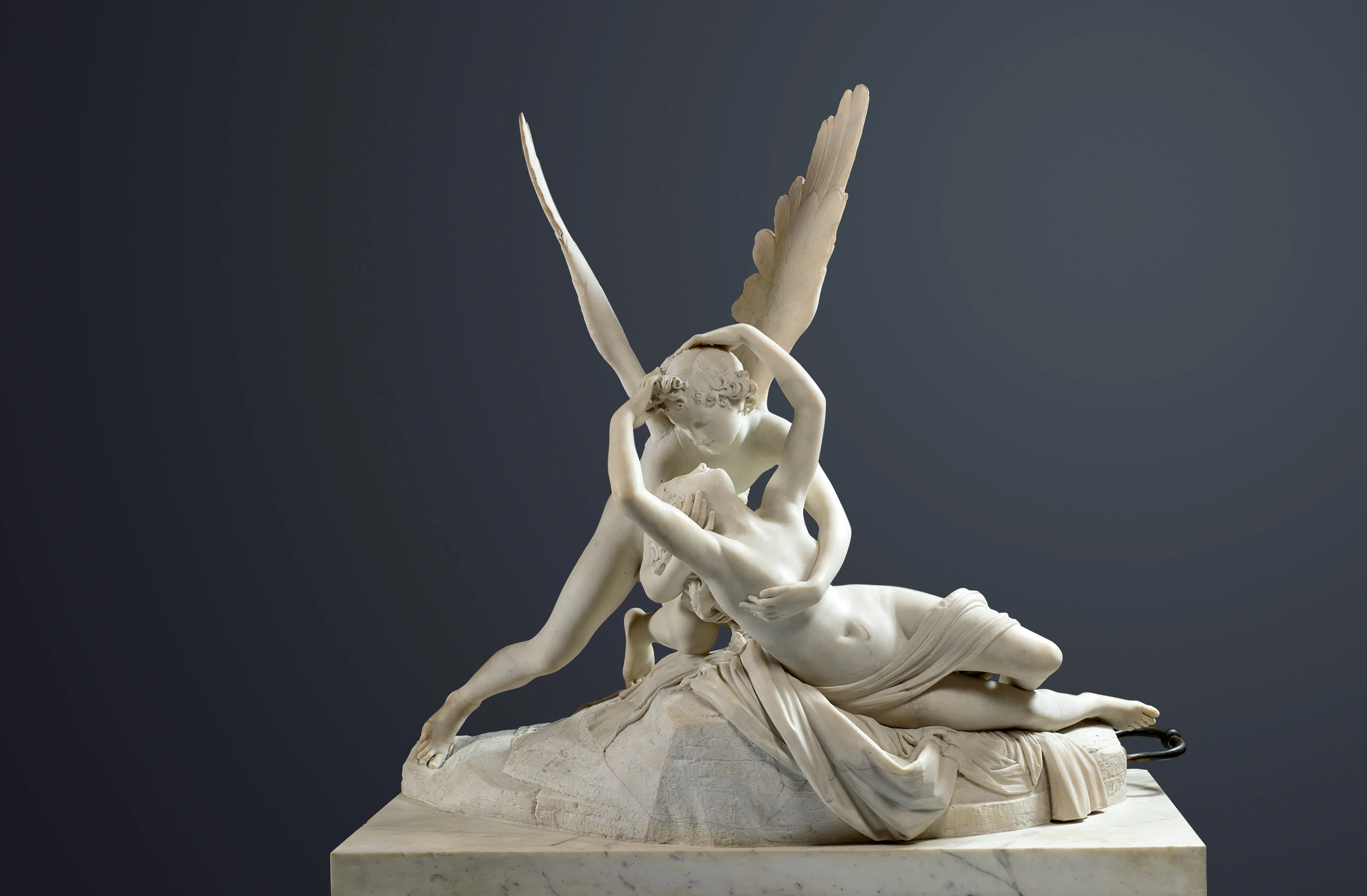
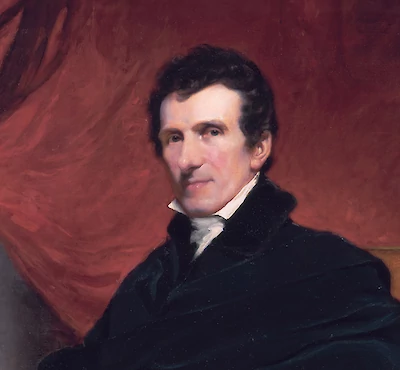
A global titan of neoclassical sculpture
1757 – 1822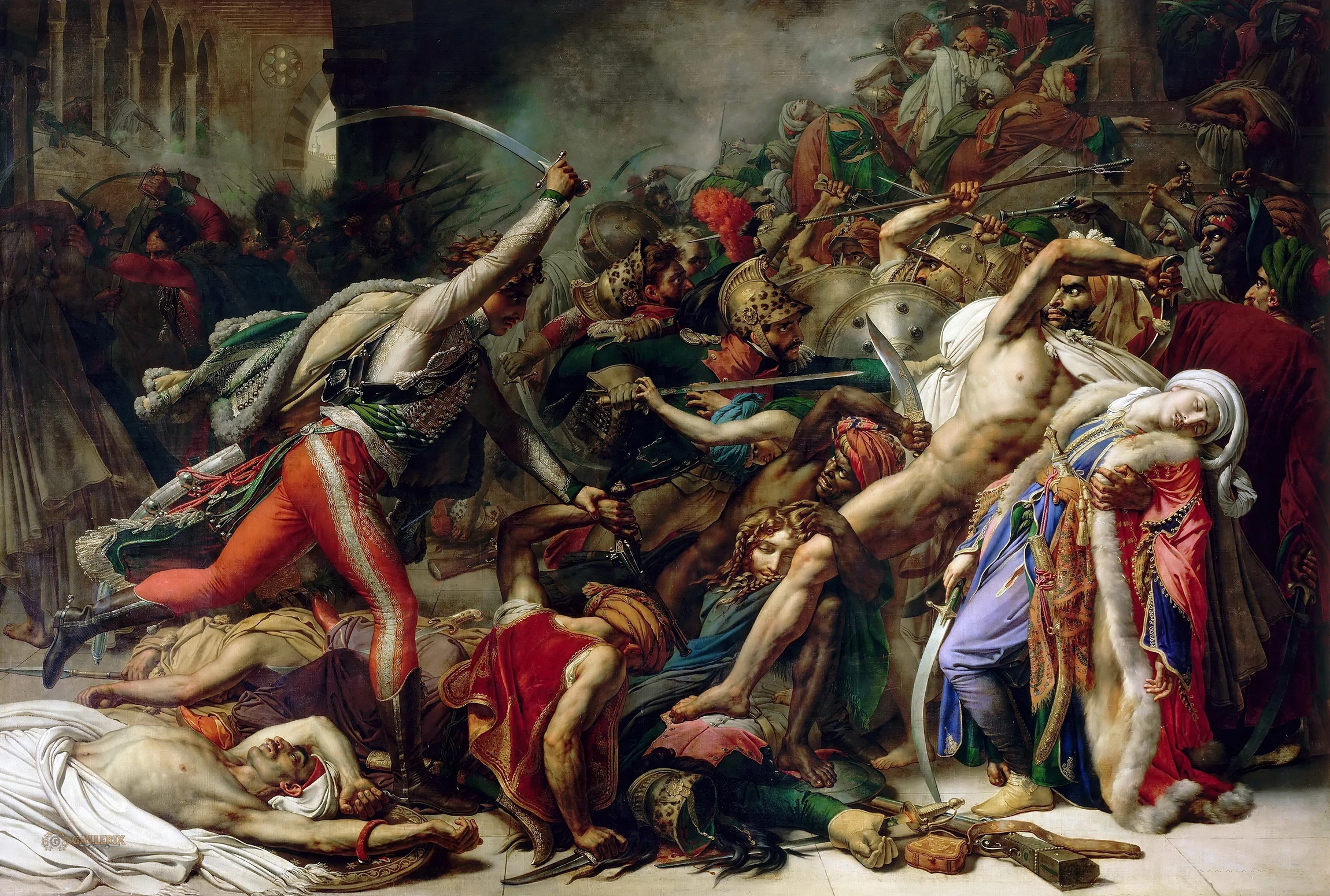
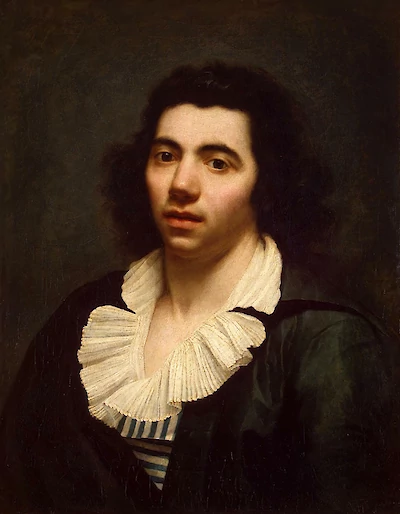
A phenom works himself to death
1767 – 1824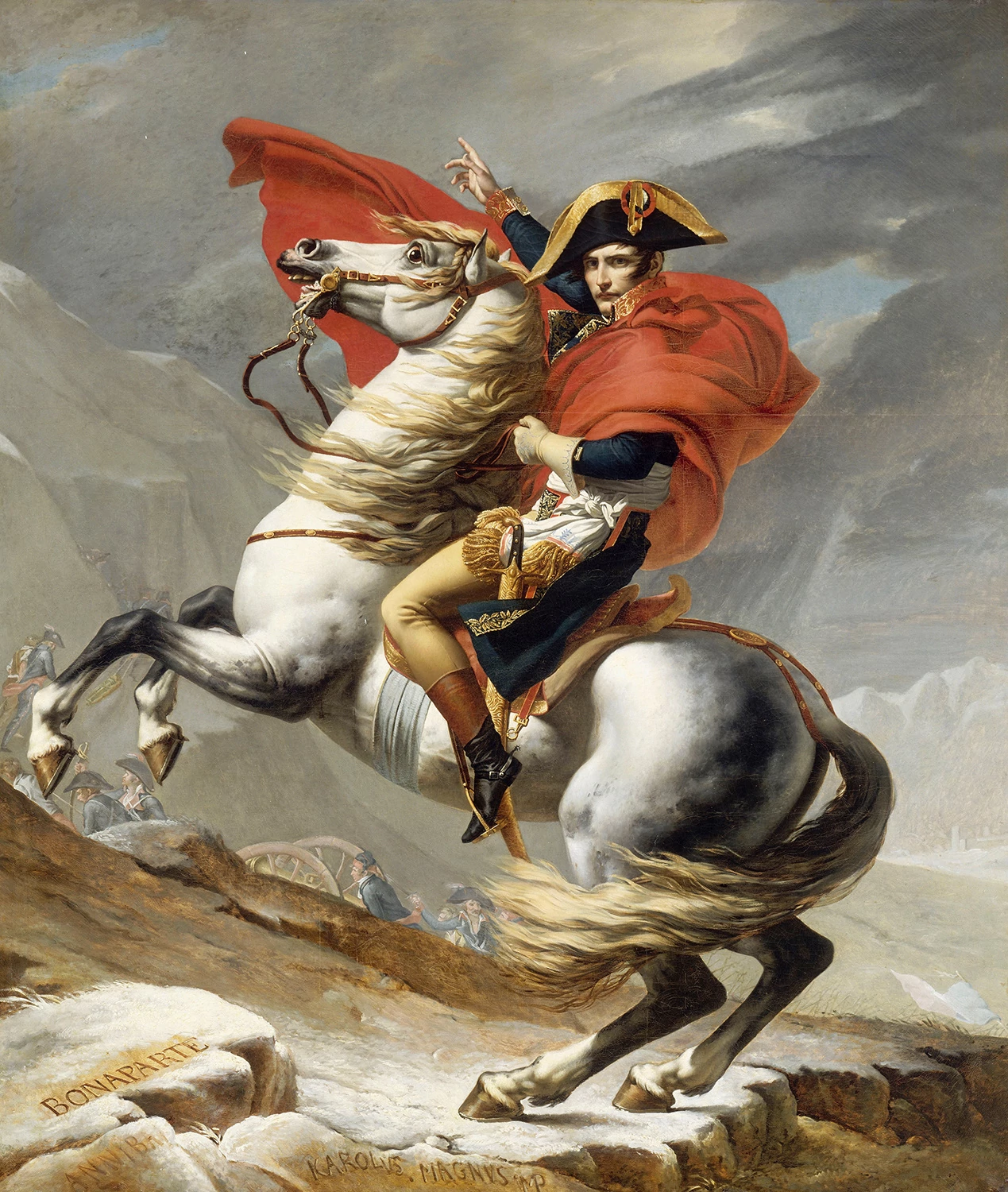
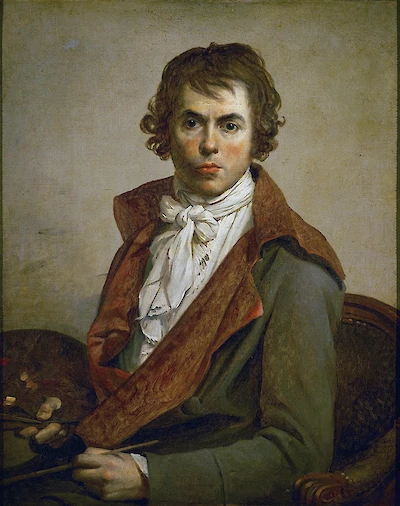
Virtuoso painter, political chameleon, complete jerk
1748 – 1825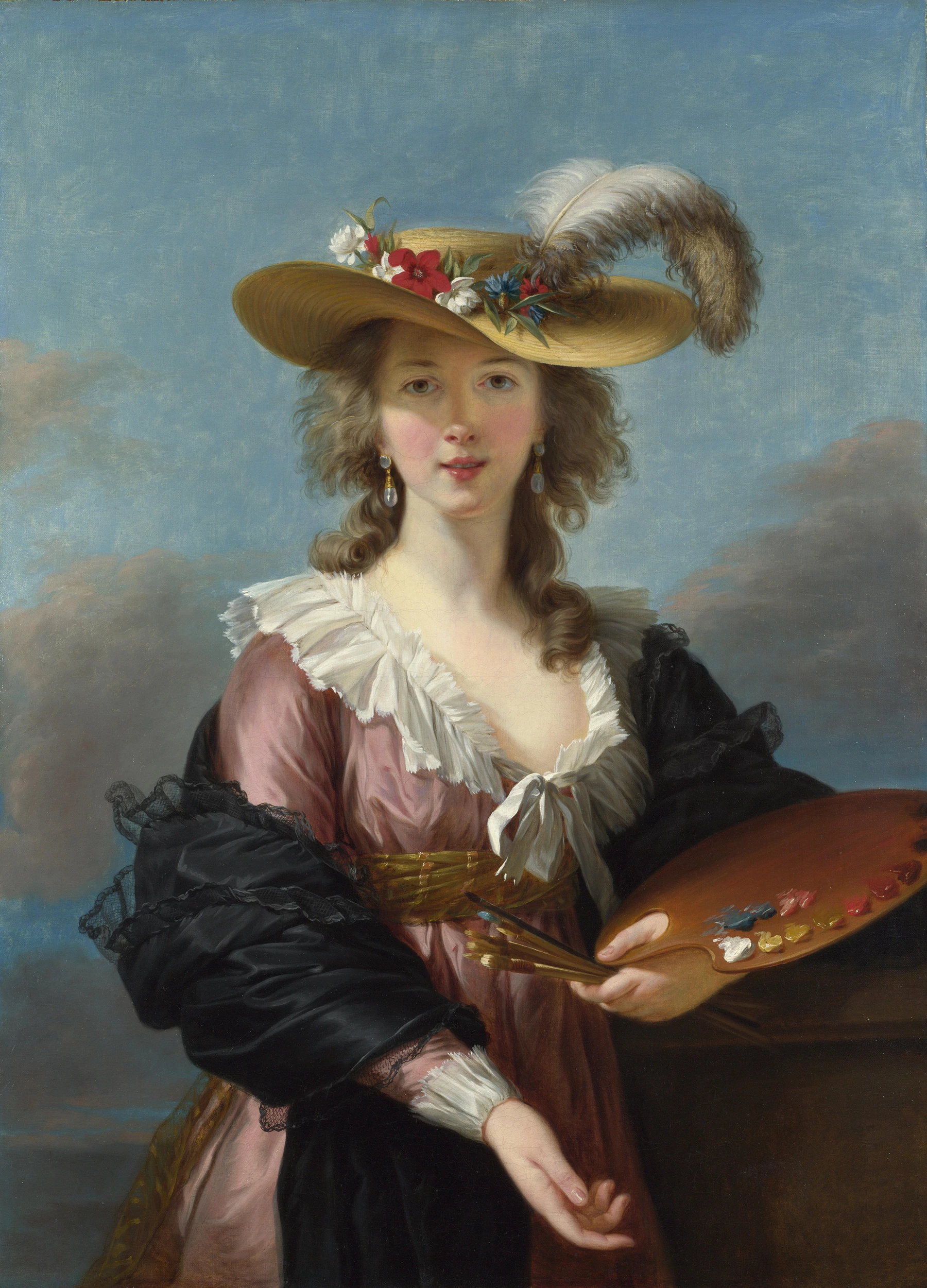
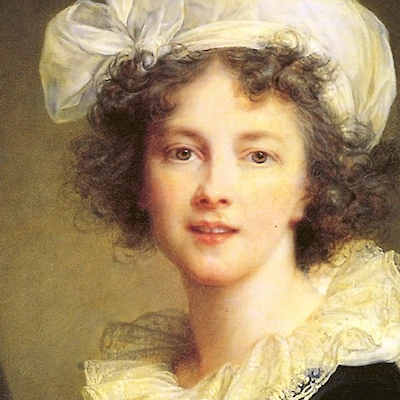
Painted for Marie Antoinette and never made a dime
1755 – 1842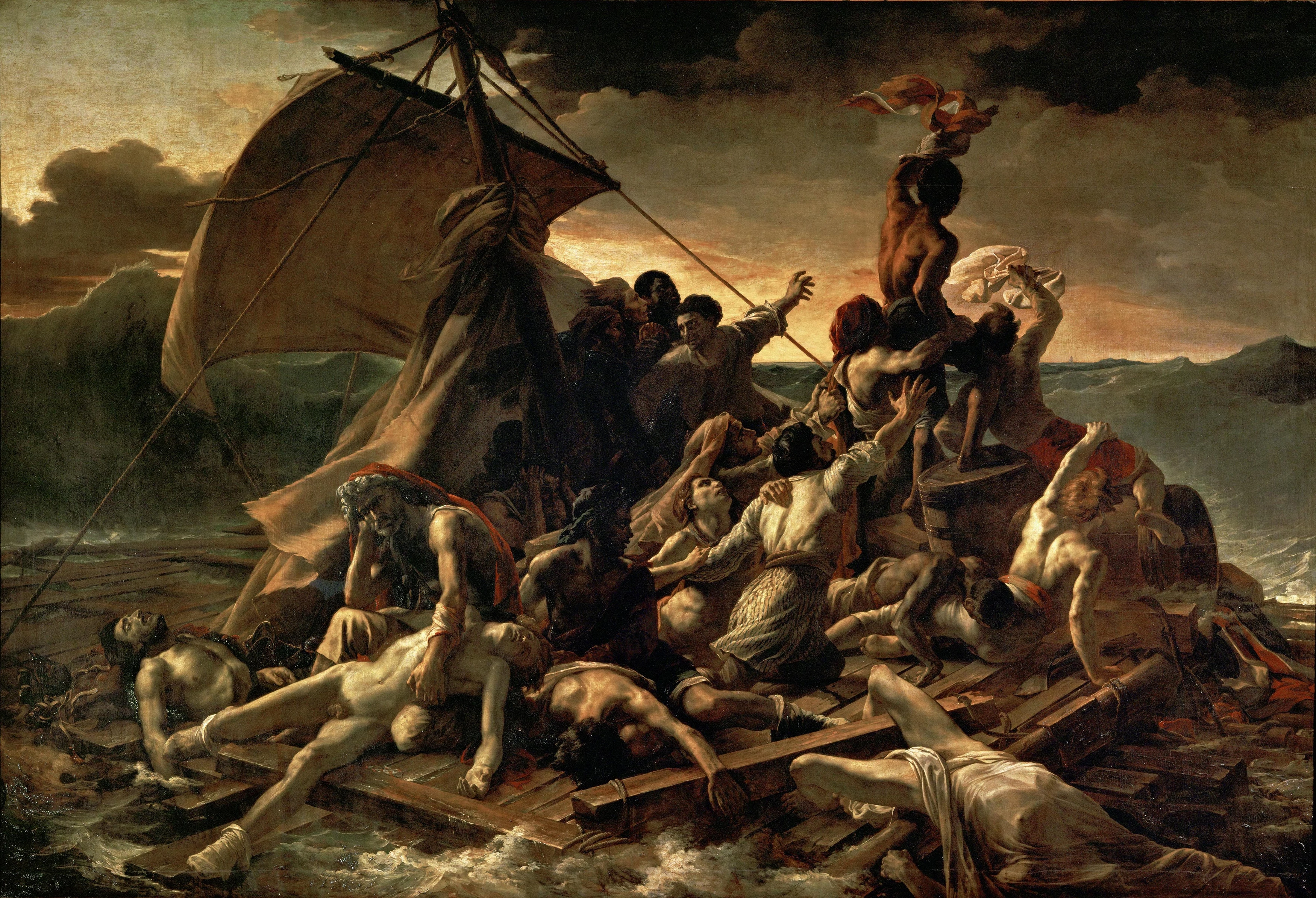
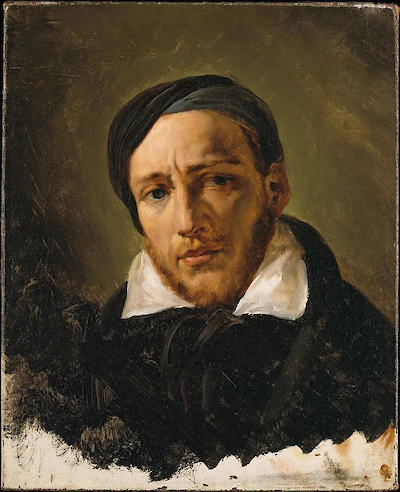
Bigger is better
1798 – 1863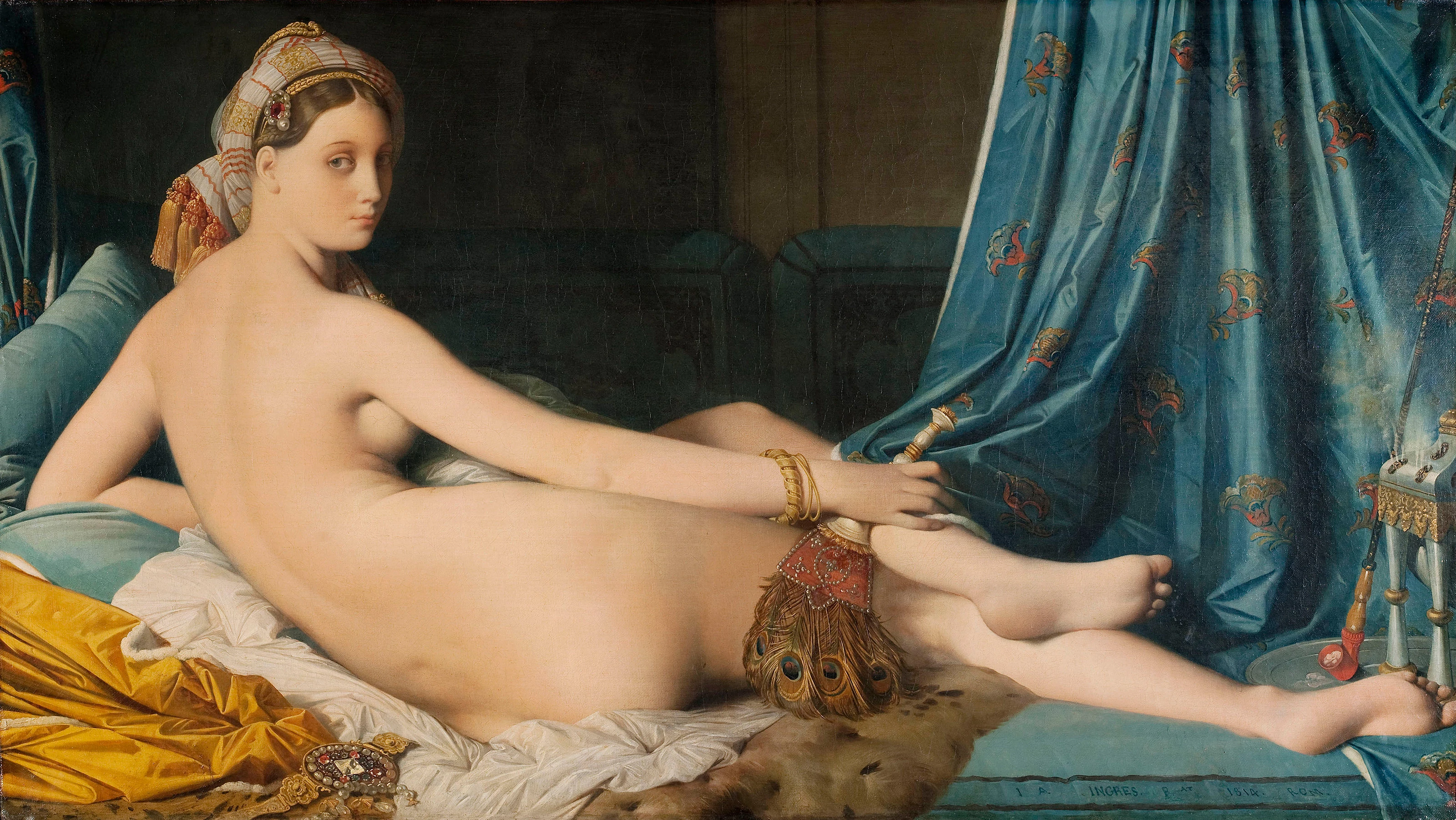
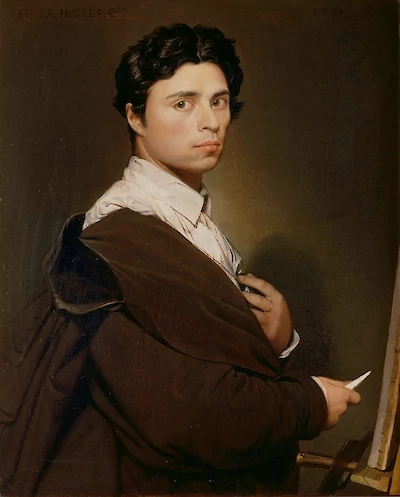
Guardian of the old ways
1780 – 1867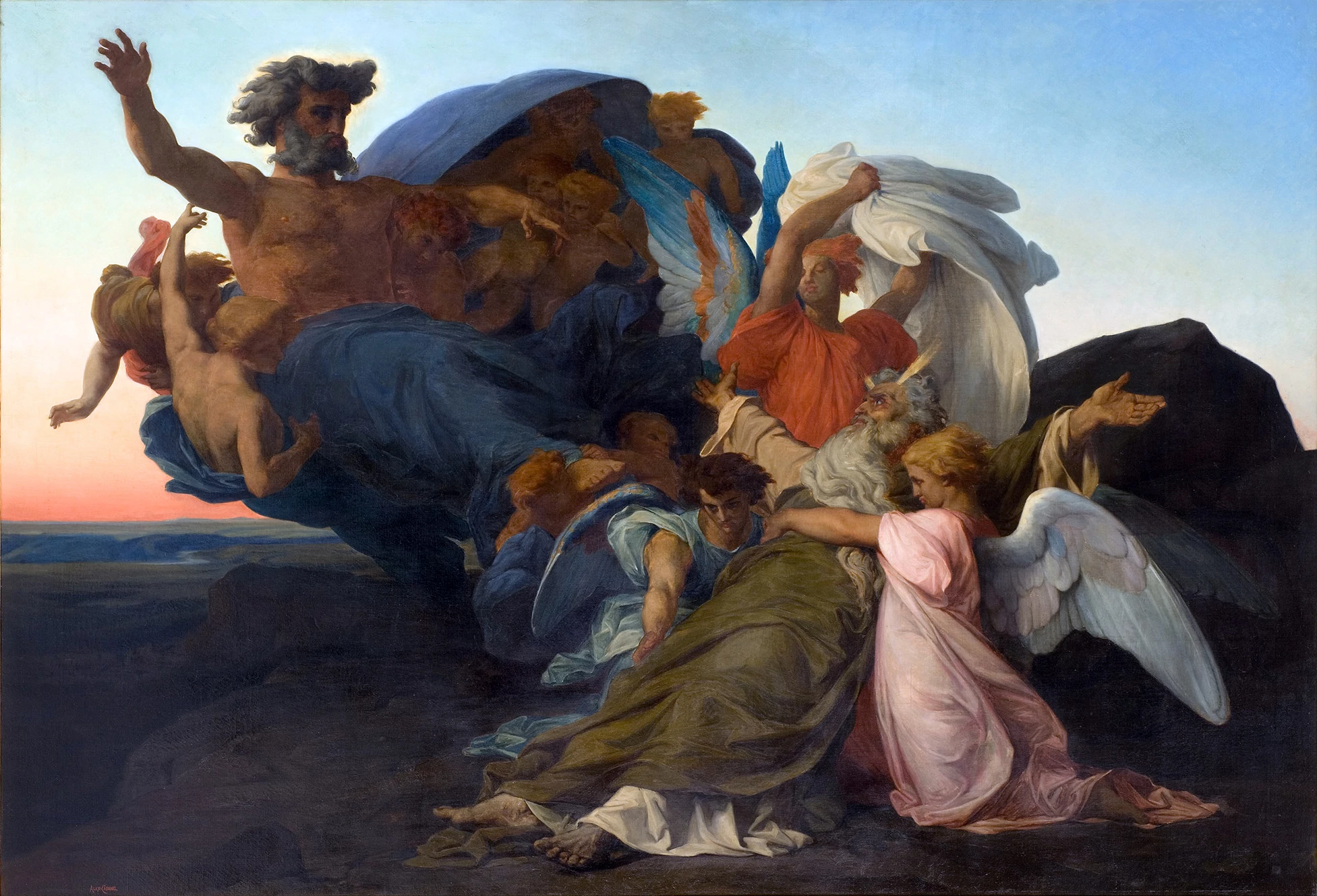
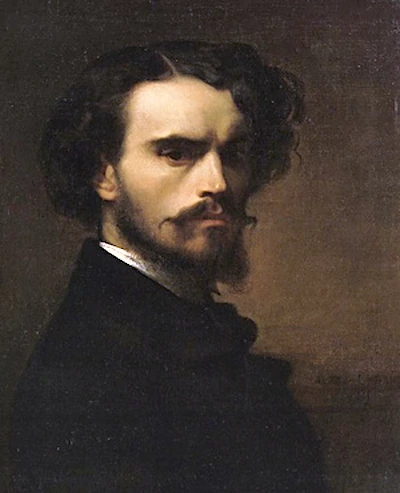
Creativity vs the Académie
1823 – 1889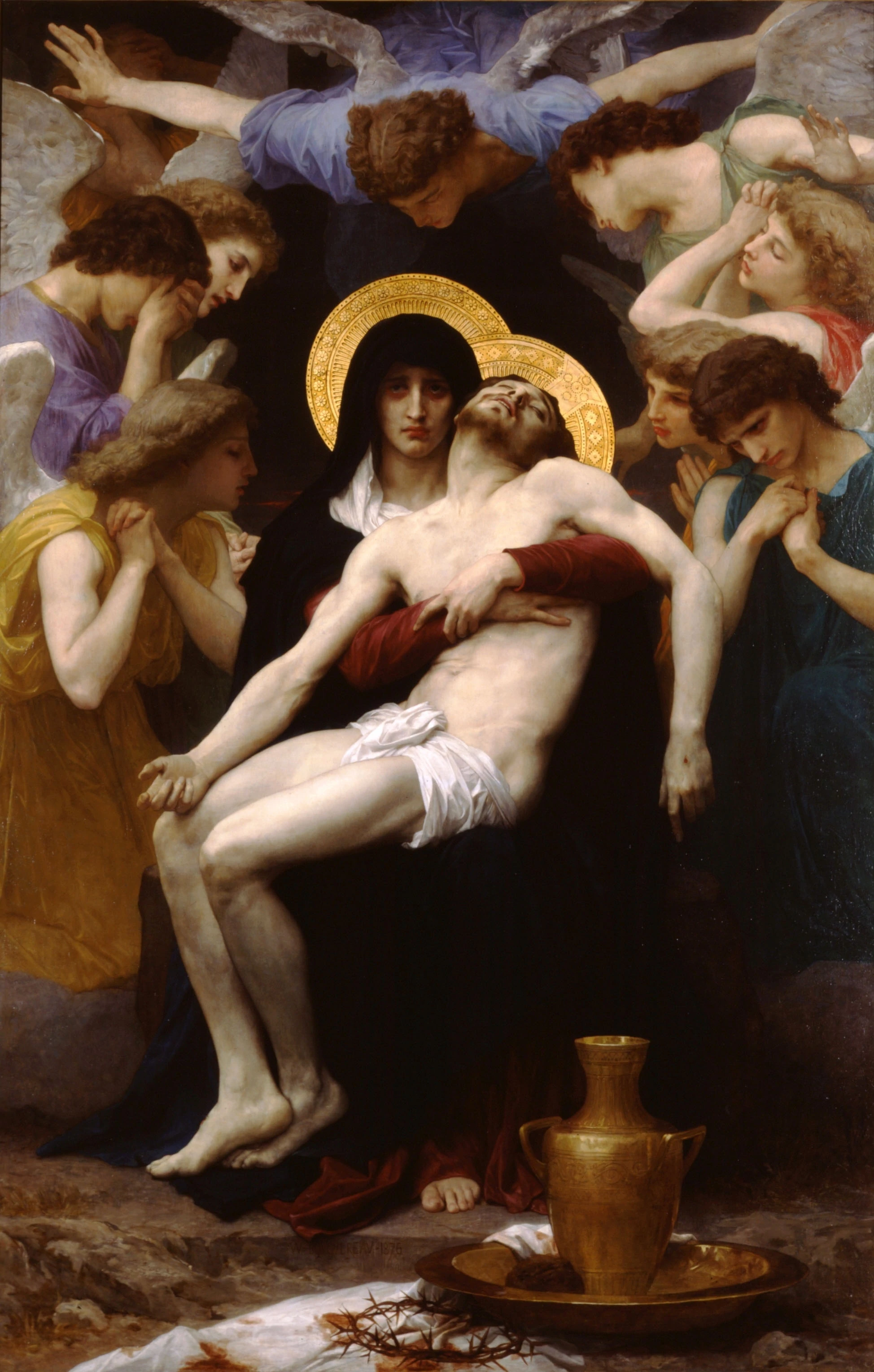
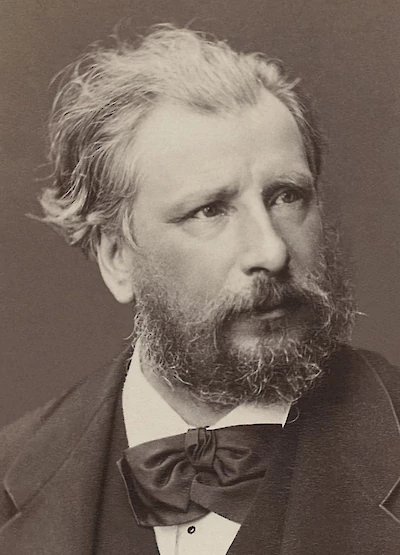
Creating beauty by the rules
1825 – 1905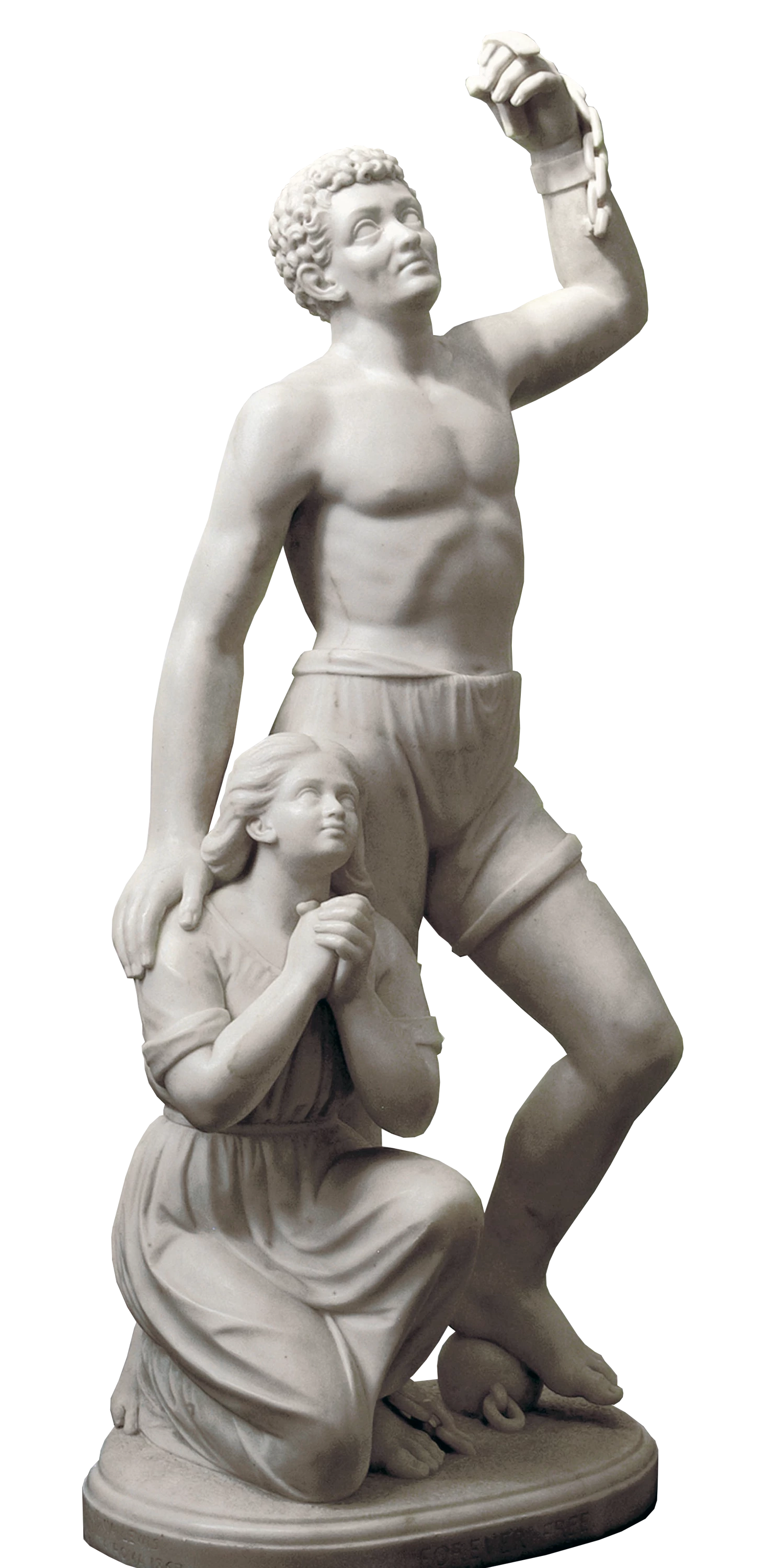
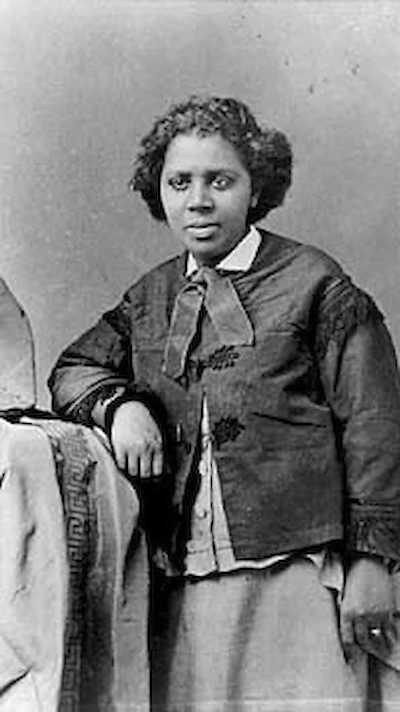
African-American Chippewa woman takes over sculpture
1844 – 1907
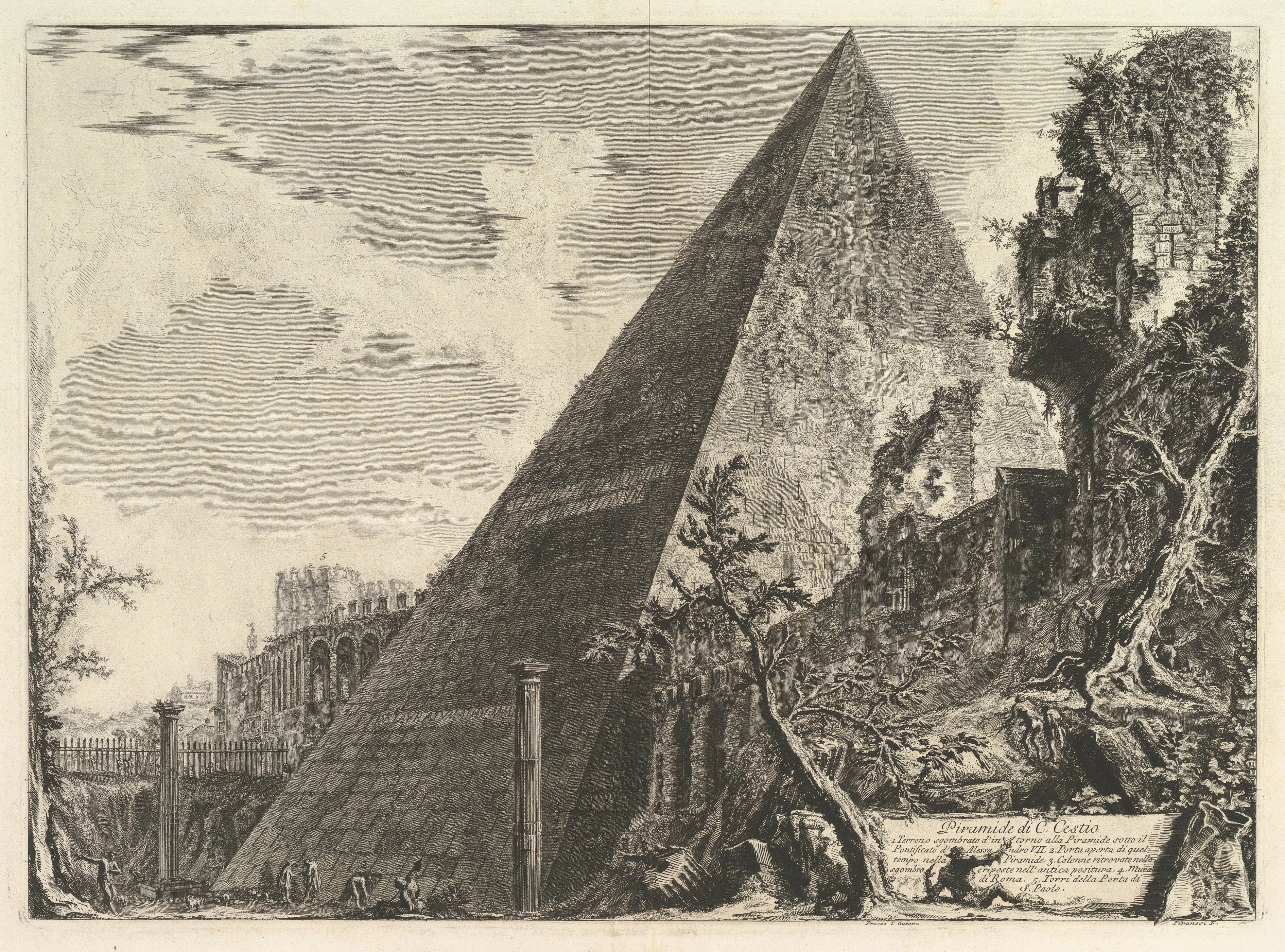
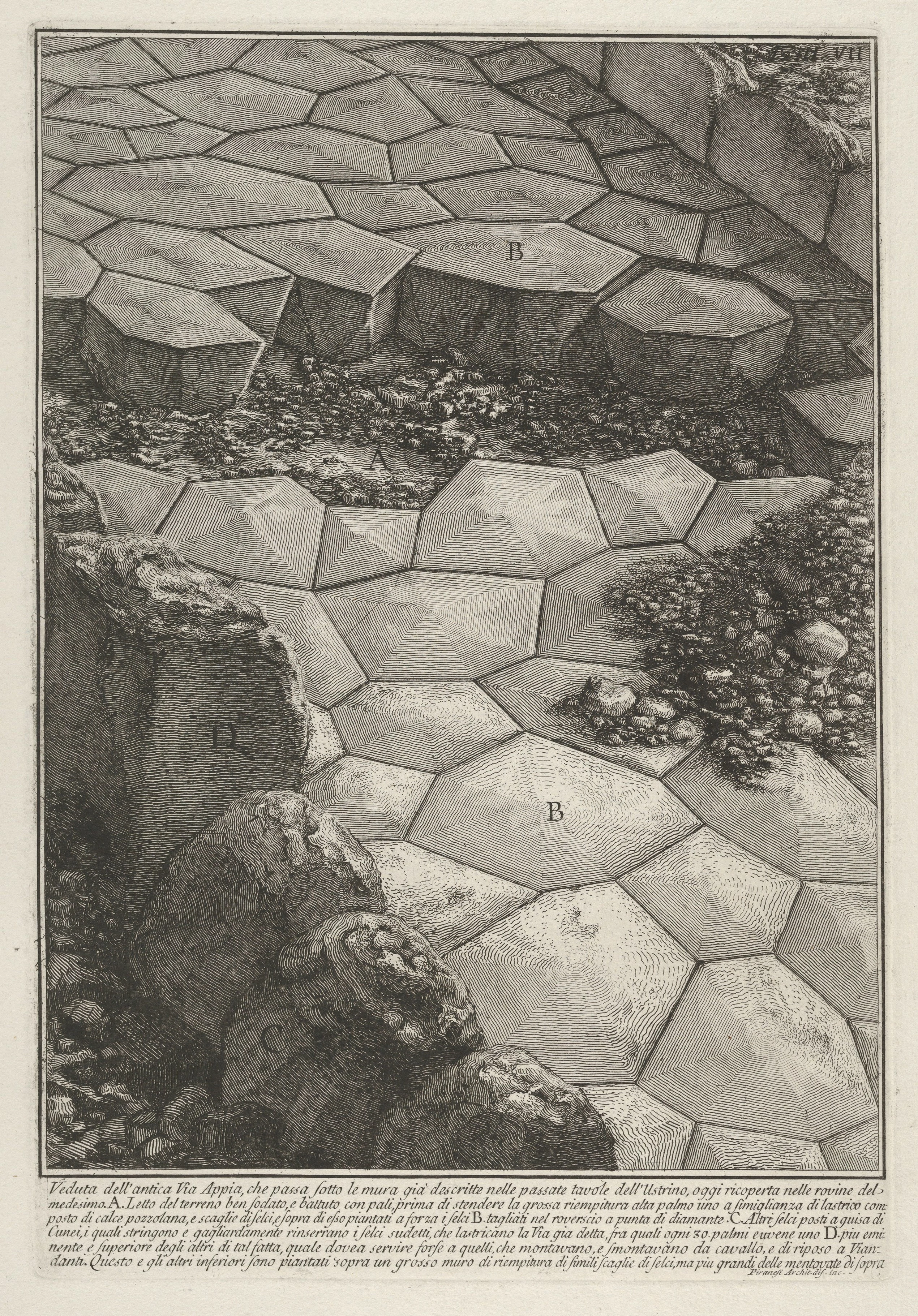
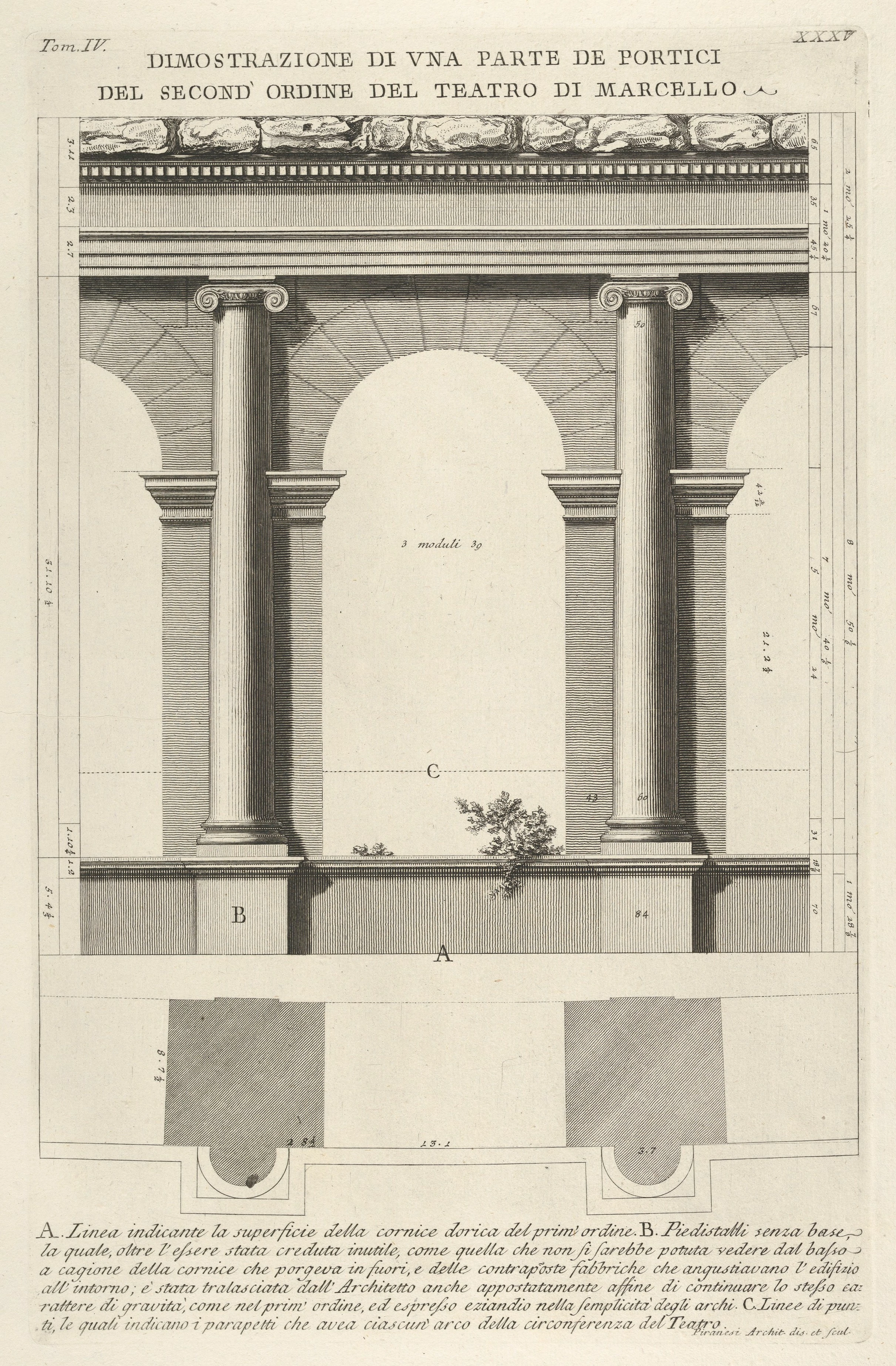
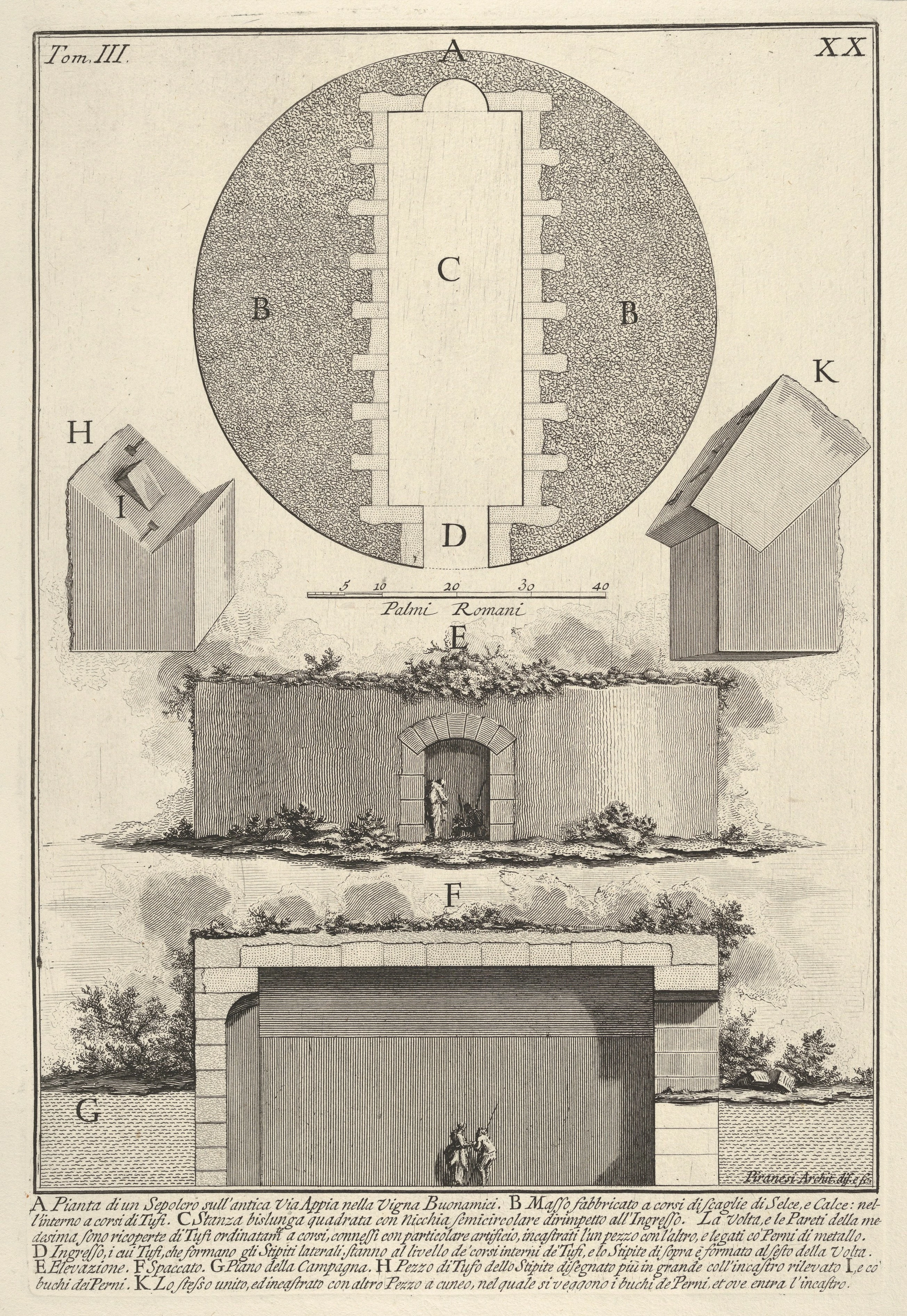
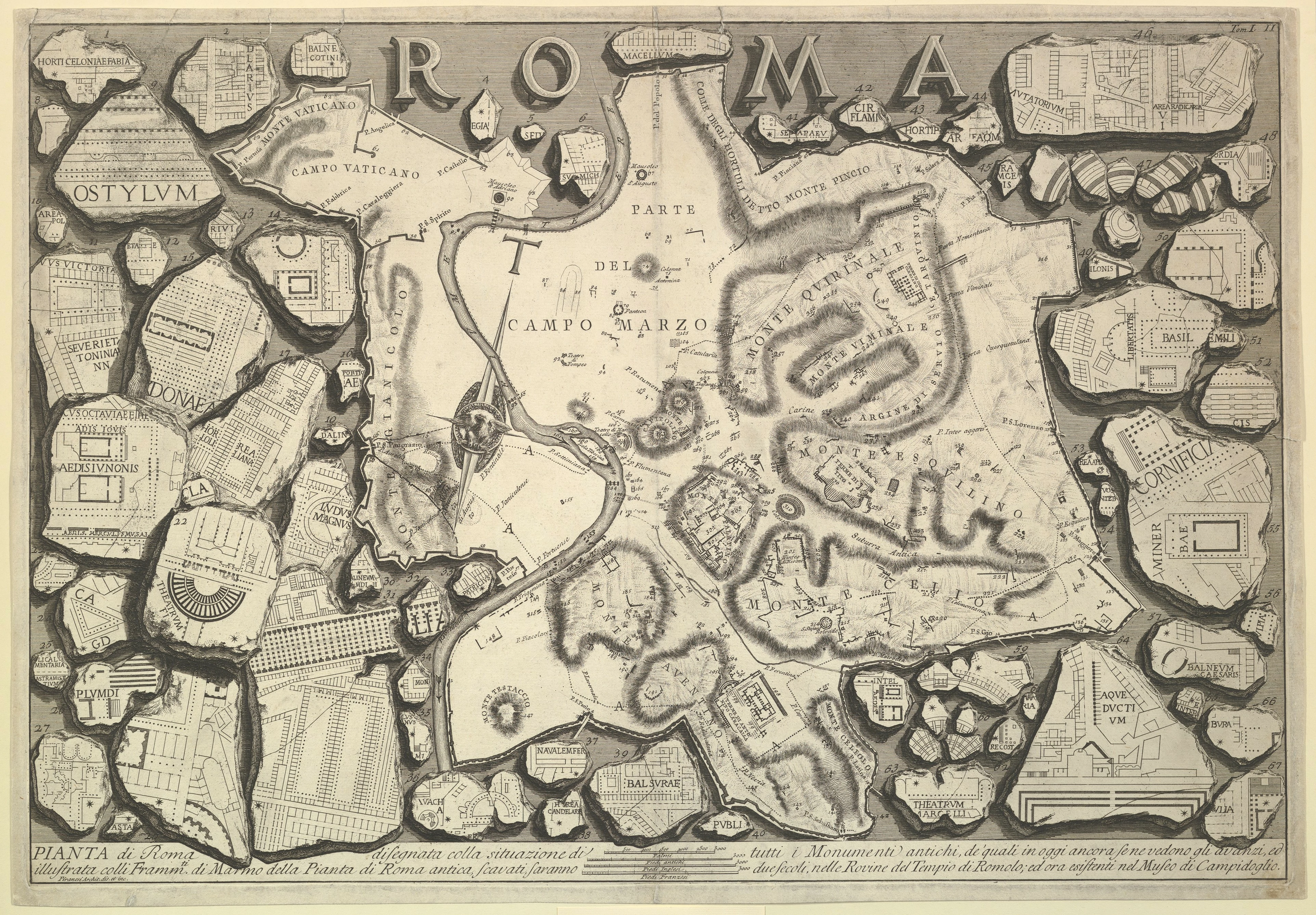
The foundation of the Neoclassical movement
We hold these truths to be self-evident, that all men are created equal