Trivium Art History

Submit Artworks Writing About Trivium
Henry Fox Talbot  - Latticed Window in Lacock Abbey

Latticed window in Lacock Abbey

William Henry Fox Talbot - Photogenic Drawing -1834

Contact Print Leaf

Francois Aubert (White Space Conflict). Emperor Maximilian's Shirt, 1867

Emperor Maximilian’s Shirt

Auguste Rosalie Bisson (White Space Conflict). The Ascent of Mont Blanc, 1862

The Ascent of Mont Blanc

Winter on Fith Ave Alfred Steiglitz

“Winter – Fifth Avenue”

EadweardMuybridgeWalkingandthrowingahandkerchiefovershoulders1884

Walking and throwing a handkerchief over shoulders

GertrudeKasebierPortraitofAlfredStieglitz1902

Portrait of Alfred Stieglitz

HenriLartigueAvenueduBoisdeBoulogneFrance1911

Avenue du Bois de Boulogne

Gettysburg_Address_2 (1)

Gettysburg Address (Detail)

HenriLartigueMyHydrogliderwithPropeller1904

My Hydroglider with Propeller

Duchenne de Boulogne (White Space Conflict). Contractions musculaires, 1856

Contractions Musculaires

Maurice Guibert. Toulouse-Lautrec in His Studio, 1894

Toulouse-Lautrec in His Studio

Fenton_cannonballs_crimea

Valley of the Shadow of Death, Crimean War

Asher, Michael 5

Michael Ascher

English- "Going to the Start" by Alfred Stieglitz Date  1904 Source  Camera Work, No 12 1905

“Going to the Start”

Gertrude_Kasebier-Yoked_and_Muzzled (1)-"Yoked and Muzzled - Marriage" (also known as "Yoked and Muzzled - Find the Parallel". Original platinum print - 1915 - Library of Congress - Early American Photography

“Yoked and Muzzled – Marriage”

John_Murray_Anderson_Gertrude Käsebier, 1916, Photography, Early Photography, Gertrude Käsebier,  American Photographer, Early American Photography,

John Murray Anderson : Theater Director

Photography

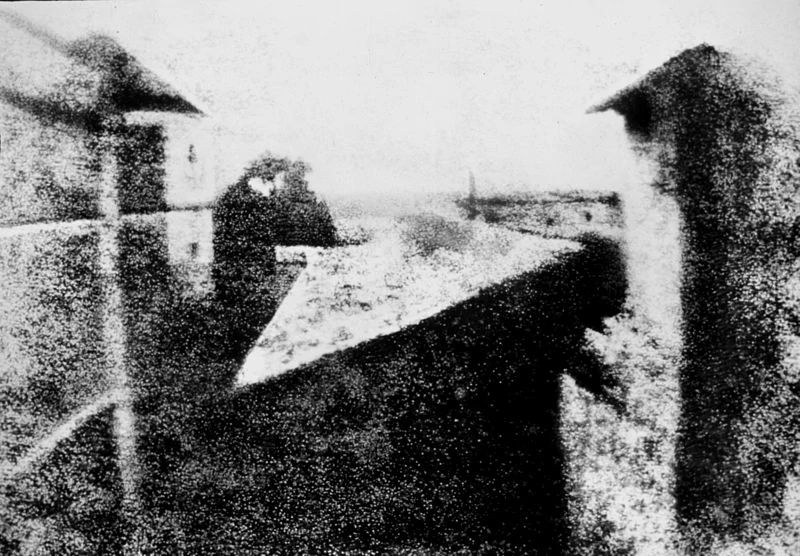
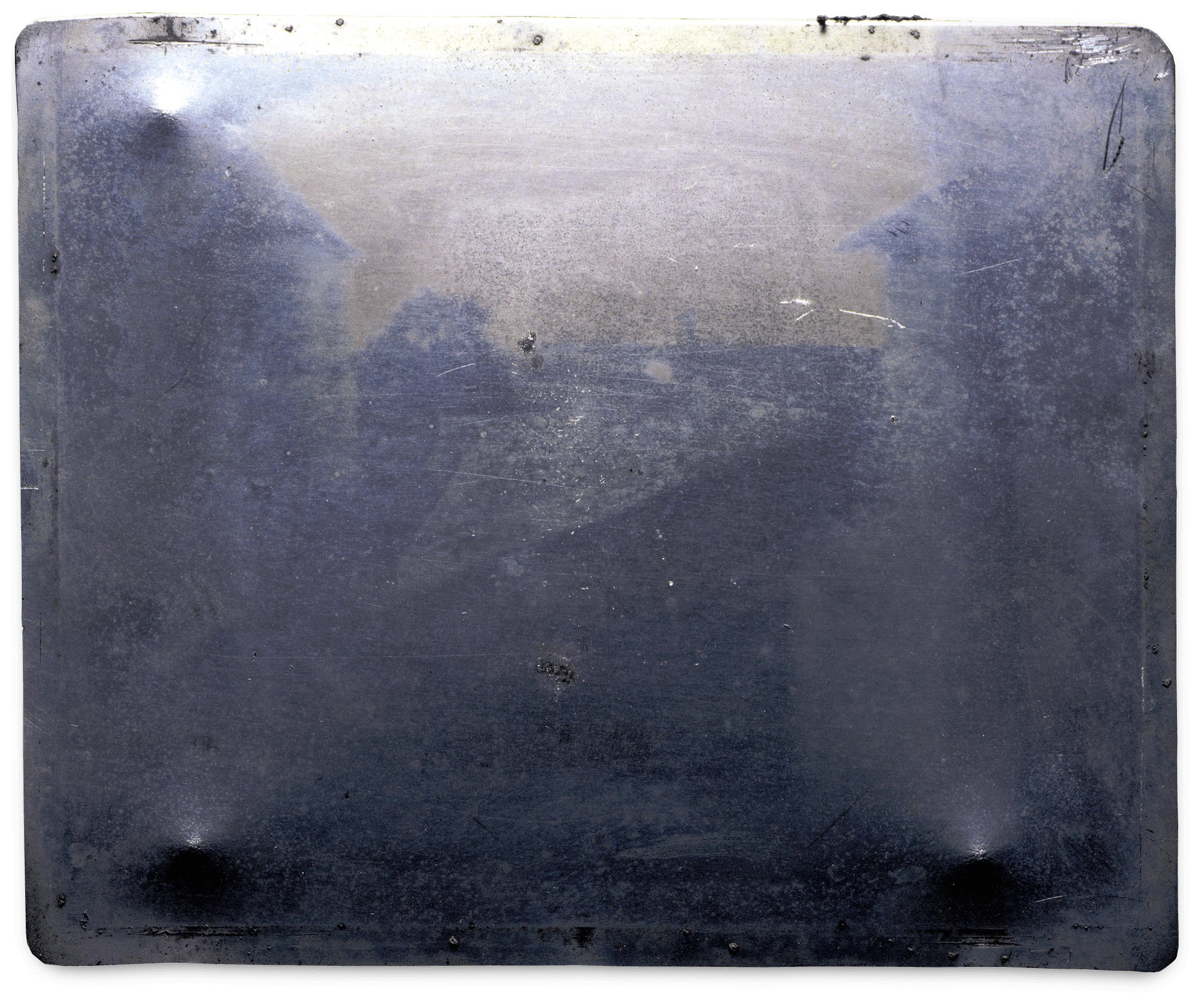
In 1822, French inventor Nicéphore Niépce made the first permanent chemical photoetching – a scientific breakthrough that forever changed the artistic practices of painting and sculpting.

  • ancient times: Camera obscuras used to form images on walls in darkened rooms; image formation via a pinhole
  • 16th century: Brightness and clarity of camera obscuras improved by enlarging the hole inserting a telescope lens
  • 17th century: Camera obscuras in frequent use by artists and made portable in the form of sedan chairs
  • 1727: Professor J. Schulze mixes chalk, nitric acid, and silver in a flask; notices darkening on side of flask exposed to sunlight. Accidental creation of the first photo-sensitive compound.
  • 1800: Thomas Wedgwood makes “sun pictures” by placing opaque objects on leather treated with silver nitrate; resulting images deteriorated rapidly, however, if displayed under light stronger than from candles.
  • 1816: Nicéphore Niépce combines the camera obscura with photosensitive paper
  • 1826: Niépce creates a permanent image
  • 1834: Henry Fox Talbot creates permanent (negative) images using paper soaked in silver chloride and fixed with a salt solution. Talbot created positive images by contact printing onto another sheet of paper.
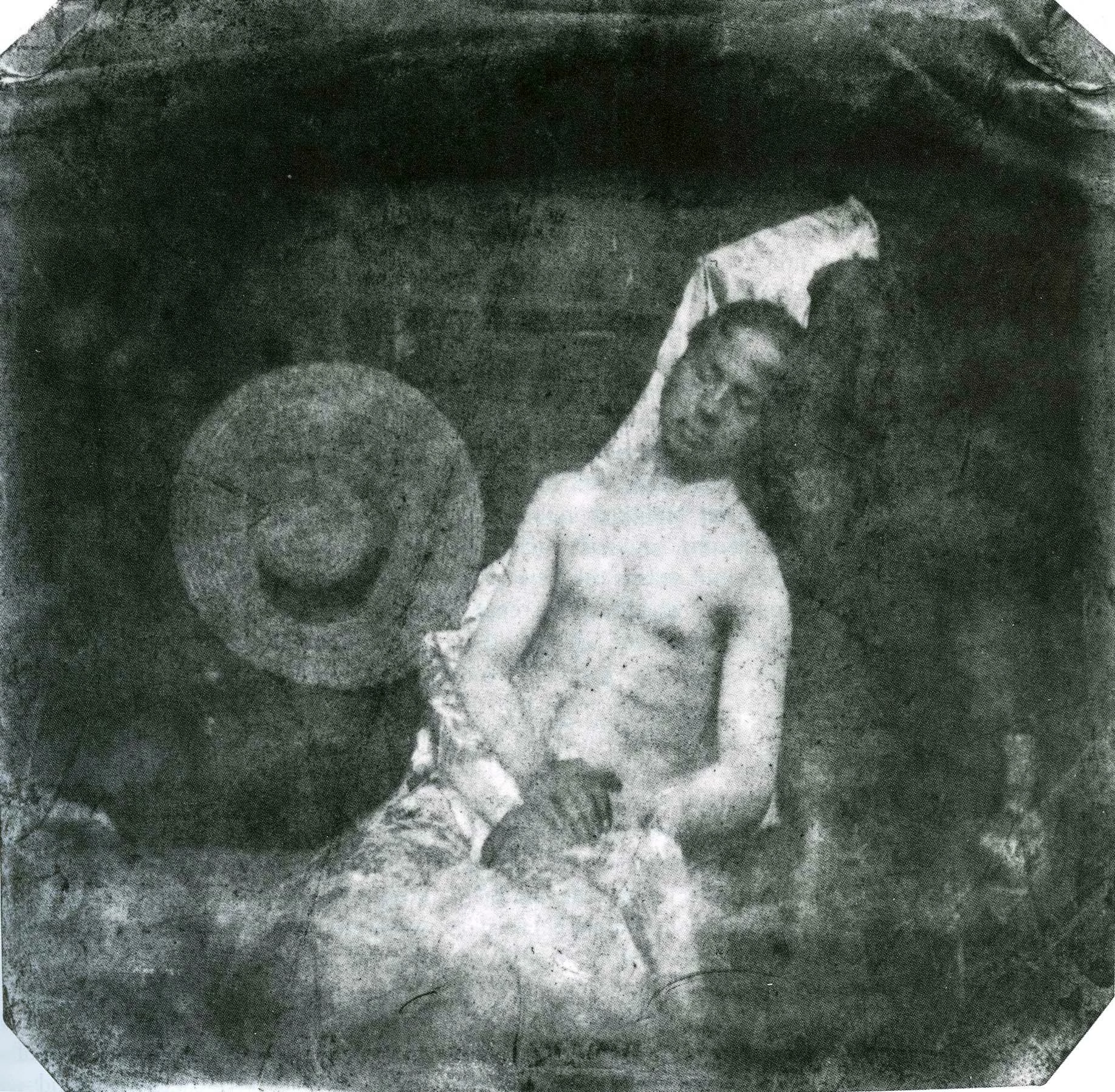
  • 1837: Louis Daguerre creates images on silver-plated copper, coated with silver iodide and “developed” with warmed mercury; Daguerre is awarded a state pension by the French government in exchange for publication of methods and the rights by other French citizens to use the Daguerreotype process.
  • 1841: Talbot patents his process under the name “calotype”.
  • 1851: Frederick Scott Archer, a sculptor in London, improves photographic resolution by spreading a mixture of collodion (nitrated cotton dissolved in ether and alcoohol) and chemicals on sheets of glass. Wet plate collodion photography was much cheaper than daguerreotypes, the negative/positive process permitted unlimited reproductions, and the process was published but not patented.
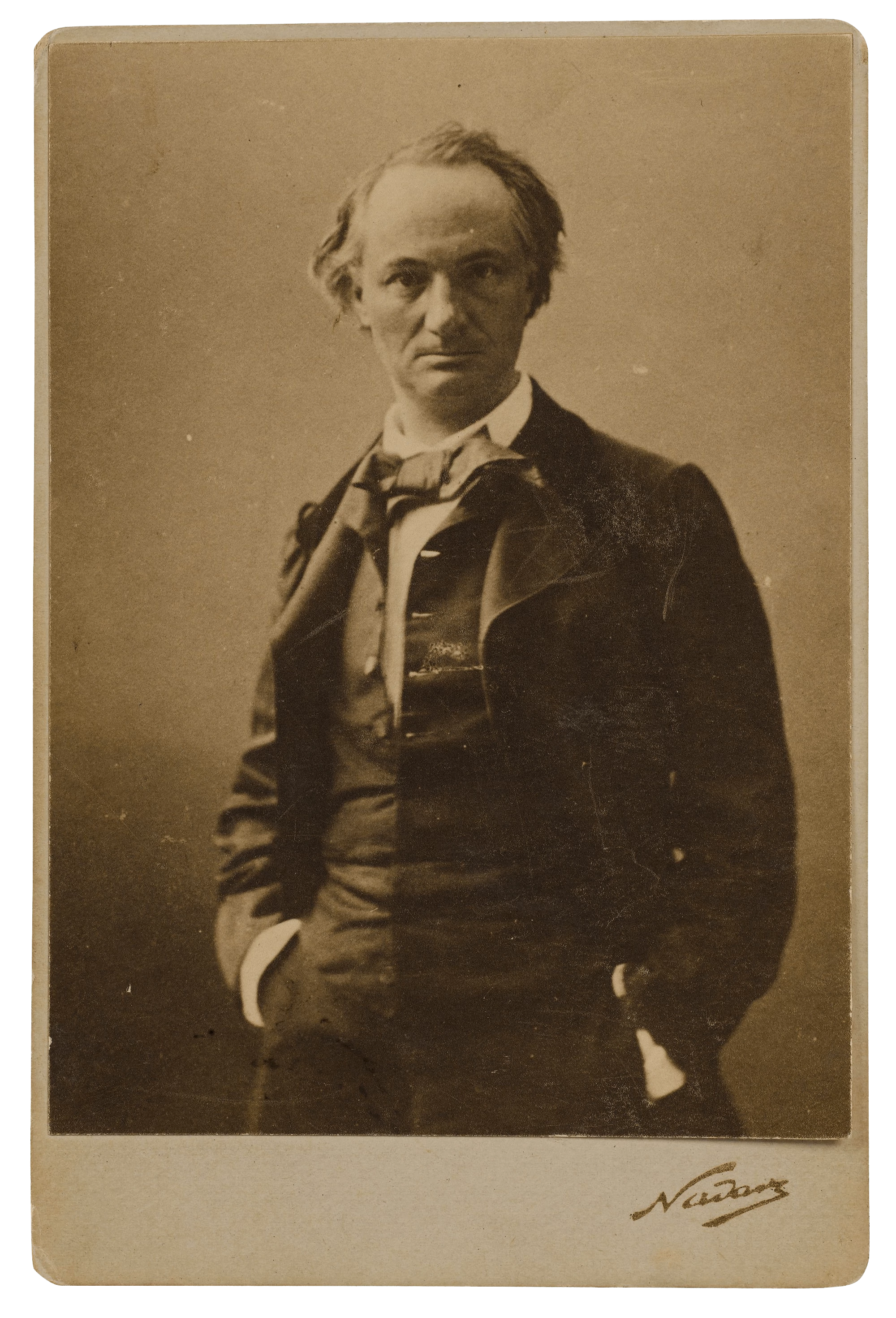
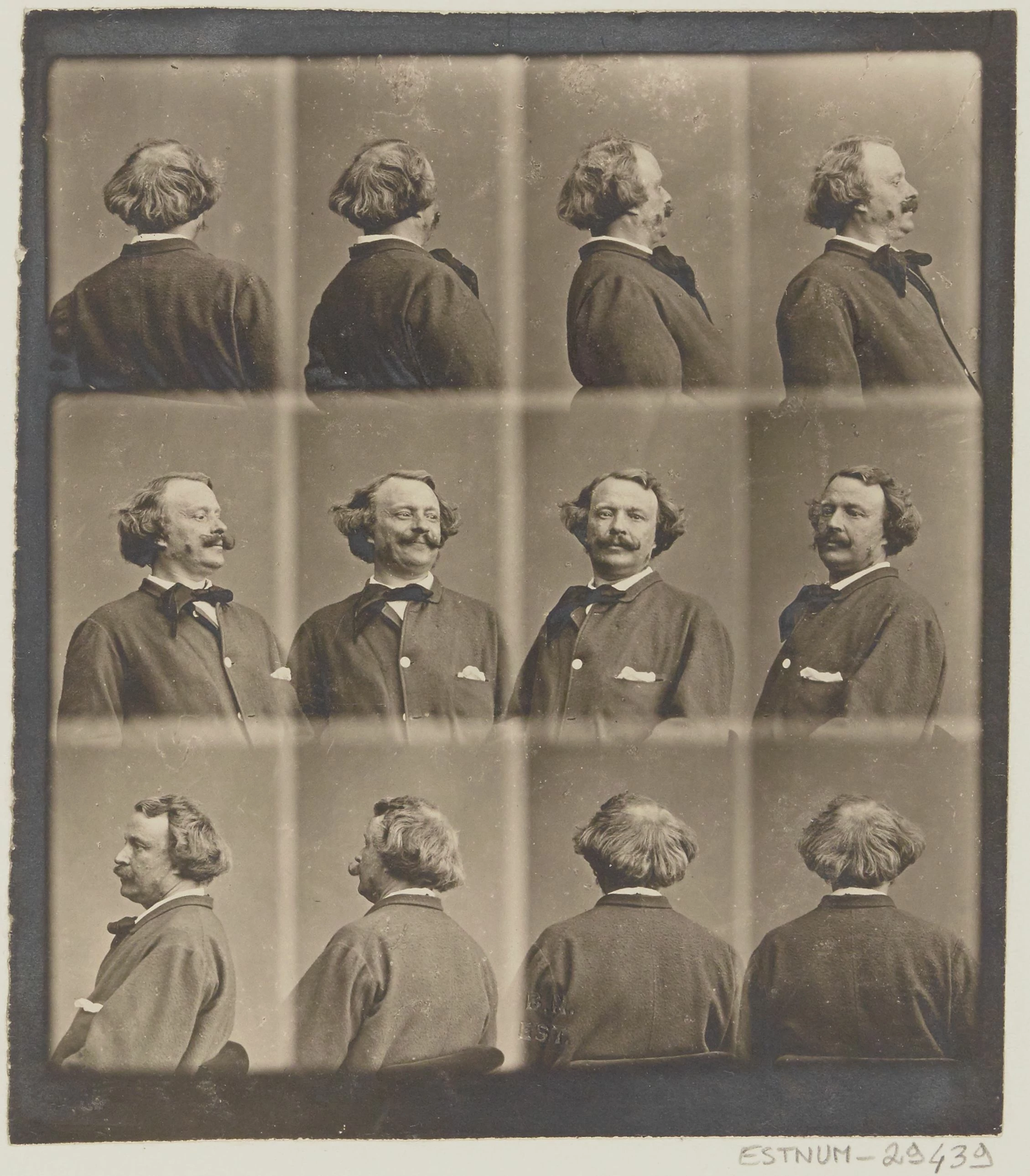
  • 1853: Nadar (Felix Toumachon) opens his portrait studio in Paris
  • 1854: Adolphe Disderi develops carte-de-visite photography in Paris, leading to worldwide boom in portrait studios for the next decade
  • 1855: Beginning of stereoscopic era
  • 1855-57: Direct positive images on glass (ambrotypes) and metal (tintypes or ferrotypes) popular in the US.
  • 1861: Scottish physicist James Clerk-Maxwell demonstrates a color photography system involving three black and white photographs, each taken through a red, green, or blue filter. The photos were turned into lantern slides and projected in registration with the same color filters. This is the “color separation” method.
  • 1861-65: Mathew Brady and staff (mostly staff) covers the American Civil War, exposing 7000 negatives
  • 1868: Ducas de Hauron publishes a book proposing a variety of methods for color photography.
  • 1870: Center of period in which the US Congress sent photographers out to the West. The most famous images were taken by William Jackson and Tim O’Sullivan.
  • 1871: Richard Leach Maddox, an English doctor, proposes the use of an emulsion of gelatin and silver bromide on a glass plate, the “dry plate” process.
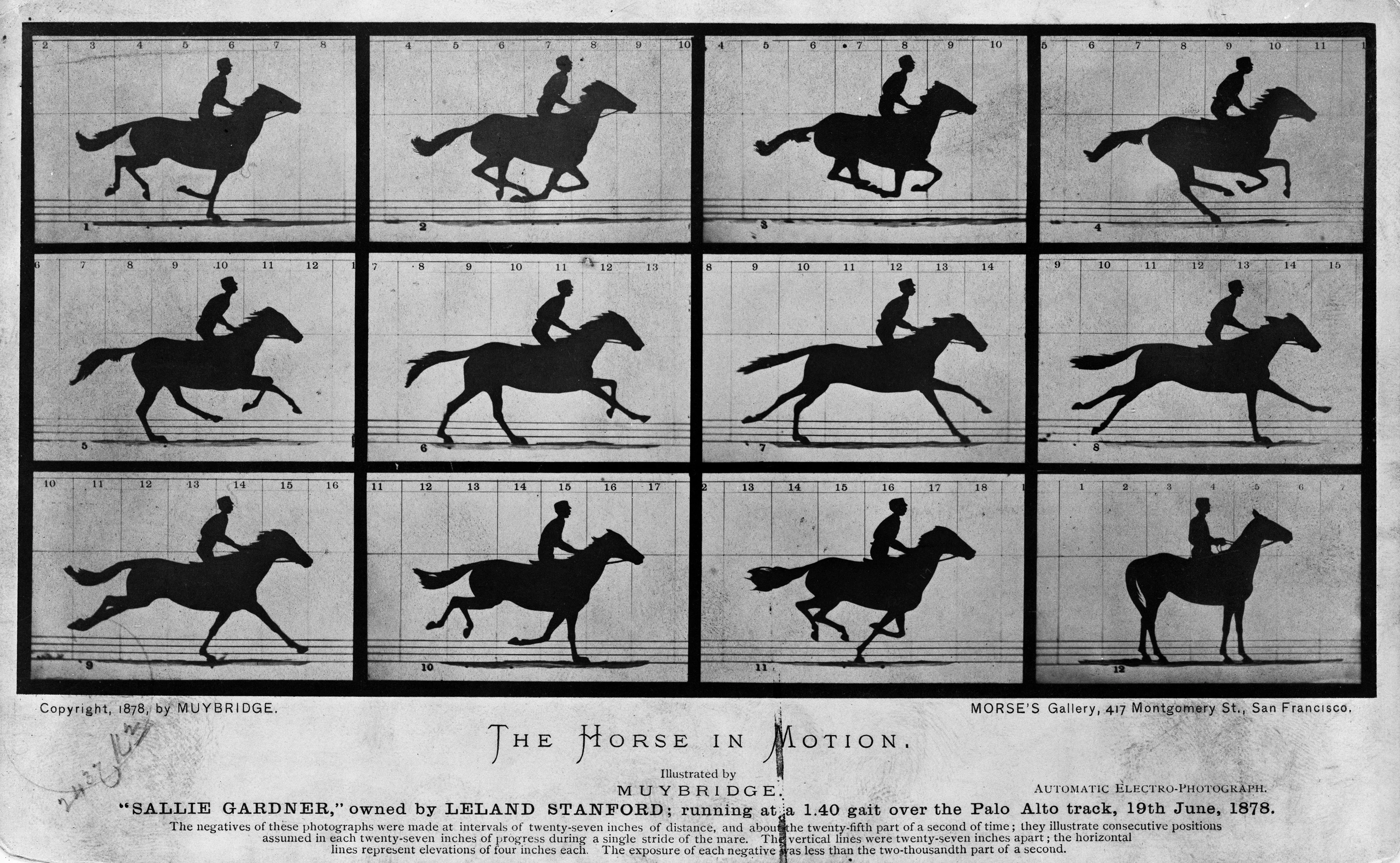
  • 1877: Edward Muybridge, born in England as Edward Muggridge, settles “do a horse’s four hooves ever leave the ground at once” bet among rich San Franciscans by time-sequenced photography of Leland Stanford’s horse.
  • 1878: Dry plates being manufactured commercially.
  • 1880: George Eastman, age 24, sets up Eastman Dry Plate Company in Rochester, New York. First half-tone photograph appears in a daily newspaper, the New York Graphic.
  • 1888: First Kodak camera, containing a 20-foot roll of paper, enough for 100 2.5-inch diameter circular pictures.
  • 1889: Improved Kodak camera with roll of film instead of paper

Trivium is a crosslinked library of artists & artworks - a resource for the passionately curious.